BREAKING: KCCI telethon shatters record, fuels 888,230 meals for Iowans, and sparks policy questions
KCCI-TV just turned holiday giving into a force for public good. I can confirm the station’s sixth annual Hunger-Free Holidays Giving Tuesday telethon raised 532,937.73 dollars to support Food Bank of Iowa. That total, reached on December 3, translates to an estimated 888,230 meals for neighbors facing hunger. It is a record for the campaign, and it arrives at a time when household budgets are tight and food costs remain high.
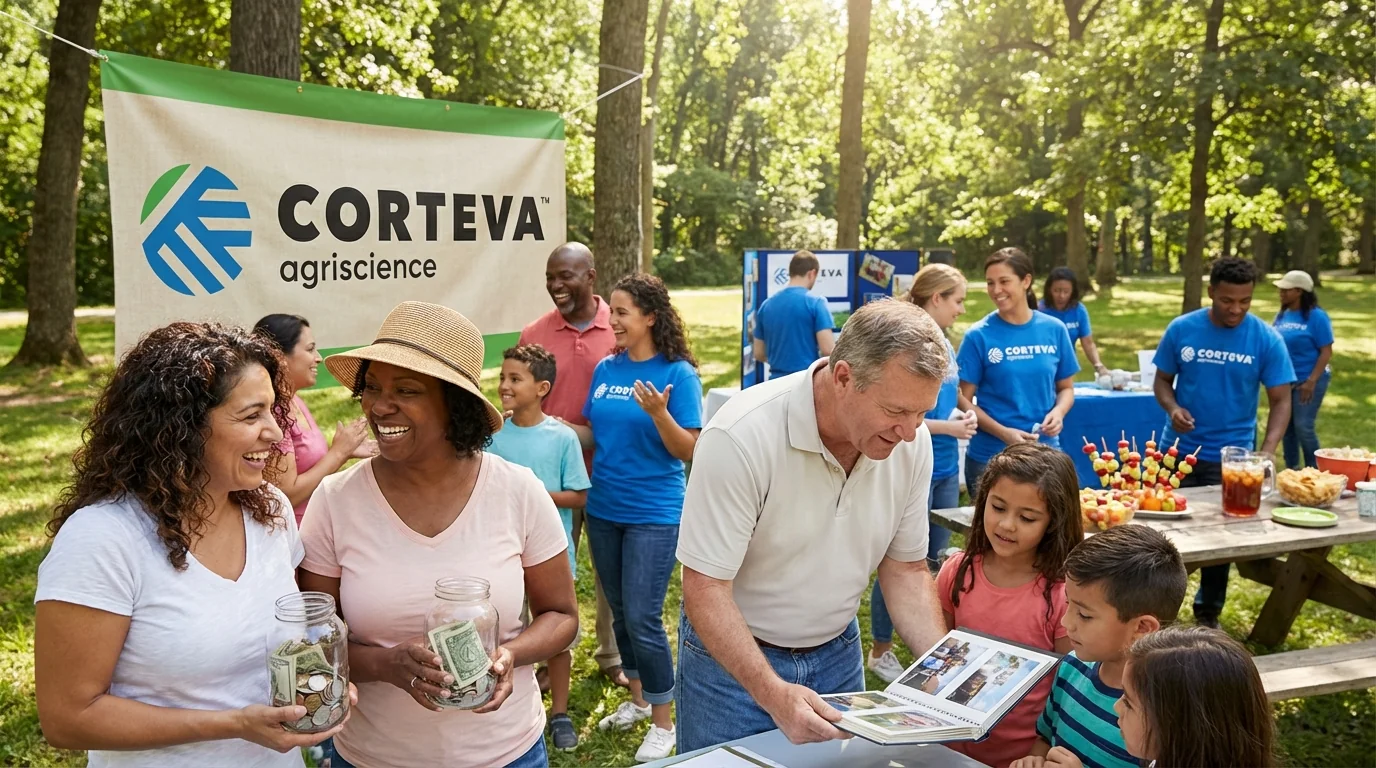
A 100,000 dollar matching pledge from Corteva Agriscience is active through December 31. Every eligible gift in that window will unlock matching funds, which doubles the impact and extends the reach of this effort. This is community power at scale, anchored by a broadcaster with deep local trust.
What happened and why it matters
KCCI put the community on air, in real time, and it worked. Viewers called, texted, and gave online. Small gifts stacked with larger checks, and the total jumped. The result is direct support to food pantries, meal programs, and rescue operations that keep good food out of landfills and onto tables.
The number is more than charity. It is a signal. Food insecurity is a policy problem with legal guardrails. When a telethon fills a gap this large, it points to pressure on the safety net, especially as pandemic-era SNAP boosts ended and many families now face recertification, delays, or reduced benefits.
The law and policy frame around this telethon
Local broadcasters operate under a federal public interest standard. Serving community needs is part of that duty. Campaigns like this one do not replace news coverage or oversight, but they show what trusted media can mobilize when the mission is clear and the need is urgent.
Charitable giving also lives inside a legal system:
- Food Bank of Iowa is a 501(c)(3) nonprofit. Gifts are generally tax deductible for itemizing taxpayers under federal and Iowa law. Donors should keep receipts.
- Iowa regulates charitable solicitations. The Attorney General can pursue deception or misuse. That oversight builds public trust and protects donors.
- Matching pledges are not just marketing. Once announced and relied upon, they can be enforceable charitable commitments under basic contract principles.
- Food safety is protected by the Bill Emerson Good Samaritan Food Donation Act. It shields good faith donors and nonprofits, which helps stretch every dollar into more meals.
The Corteva 100,000 dollar match runs through December 31. Give through official channels and save your written acknowledgment for tax records.
Watch for impostor solicitations. Confirm you are giving to Food Bank of Iowa through KCCI’s posted links or the nonprofit’s official site. Do not share payment data by text unless you initiated it through a verified system.
What this means for households, and your rights
Private giving does not change your legal rights to public benefits. If your household needs help, you have clear protections under federal and state law.
- You can apply for SNAP without discrimination based on race, color, national origin, sex, disability, age, or religion. You can ask for an interpreter at no cost.
- If denied or cut off, you can request a fair hearing. You can present evidence and bring someone to assist you.
- Pregnant people and young children may qualify for WIC. Seniors may be eligible for commodity and congregate meals.
- Dial 2-1-1 for pantry locations and hours. Ask about delivery or accommodations if you have mobility or health barriers.
You have the right to equal access and timely processing for benefits. If rights are denied, you can appeal and you can file a civil rights complaint.

A civic moment with policy consequences
This record haul is a win, and it is also a roadmap. Lawmakers can read it as a mandate to strengthen the food system. That can include sustained state grants for food banks, streamlined SNAP processing, support for farm to food bank purchasing, and incentives for transportation and cold storage. Schools can expand breakfast after the bell and summer meal access, which reduces strain on pantries. Cities can modernize zoning to welcome food recovery hubs and mobile markets.
KCCI’s result shows that trust is civic infrastructure. When a station with reach calls, people answer. Policy can magnify that trust by cutting red tape and keeping the safety net strong, so private generosity does not have to stand alone.