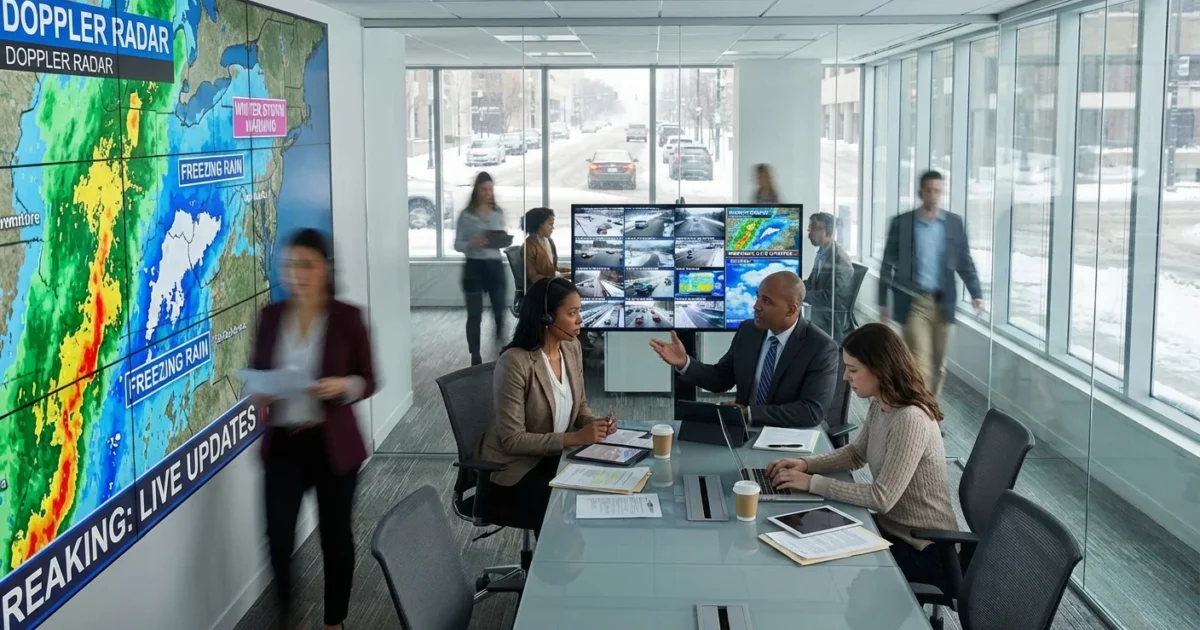
BREAKING: KARE 11 turns on full school closings alert system as ice grips Twin Cities
I can confirm KARE 11 has activated its full on air, web, and app school closings system this morning. Arctic air, freezing rain, and gusty winds are making roads slick and unpredictable. Superintendents are making decisions between 5 and 6 a.m. Families are watching every update. The legal window for safe transport is tight. The civic stakes are real.
KARE 11 is the hub families need right now
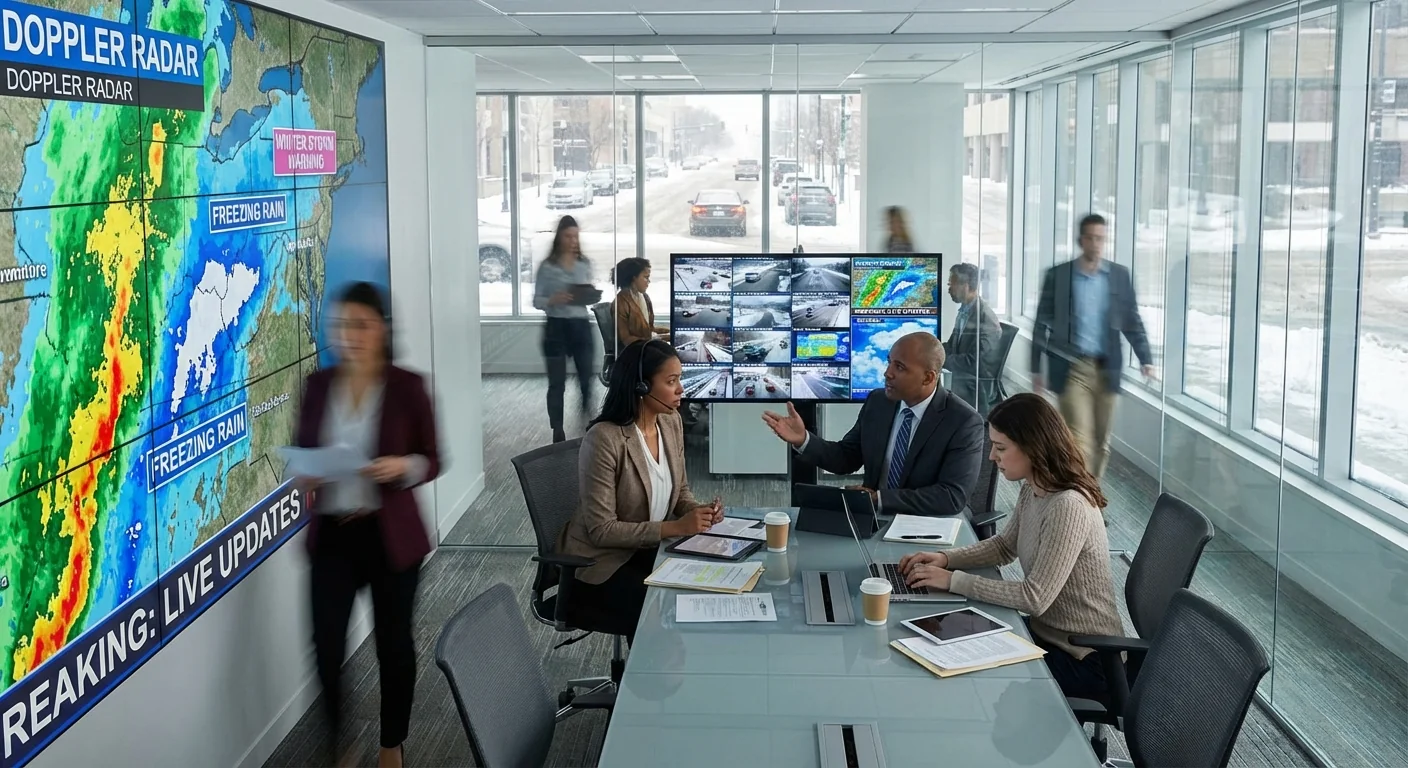
KARE 11 is the NBC station serving Minneapolis and Saint Paul. It is also a key relay point for urgent public information. When weather turns fast, the station becomes a civic lifeline. It posts district closures, delays, and bus changes in real time. It also carries on air safety guidance for the morning commute.
I am seeing districts feed updates to the station at short intervals. That aligns with the decision cycle superintendents use before buses roll. Rapid changes are likely through the morning as ice builds. Families should expect updates to shift as plows, salt, and traffic reports come in.
Freezing rain creates black ice that drivers cannot see. Delays can change within minutes. Plan for extra time and backup care.
How decisions are made, and the law behind them
In Minnesota, superintendents have authority to close or delay school for safety. School boards set policies that guide those calls. Transportation safety is central. Districts must assess bus routes, sidewalks, staffing, and building access. They also consider special education transport and nurse coverage.
Federal and state rules shape how alerts reach you. Broadcast stations carry emergency information. Critical warnings must be accessible to viewers who are deaf or blind. Districts must avoid sharing student data in public alerts. Student privacy laws apply to any message that names a child.
Many districts can count e learning days during severe weather. State policy allows this in many cases, subject to district plans. That avoids make up days and keeps learning moving. It does not remove the duty to ensure access for students without devices or internet.
Liability is a live concern. Districts are expected to act reasonably under the conditions. If roads are unsafe, they must not put students or staff in harm’s way. Unions also have a right to raise safety issues. Staff should not be required to travel in dangerous conditions.
What you should do this morning
You need timely facts, not rumors. KARE 11’s closings page and app are updating now. Check before you leave, then recheck.
- Enable district texts, emails, and phone alerts.
- Keep your phone charged and packs ready for a late call.
- Dress in layers and cover hands, head, and face.
- If the roads by you are unsafe, call the school. Ask to excuse the absence.
Bookmark your district homepage and the KARE 11 closings page. Put both links on your home screen for one tap access.
Parents have rights here. You can keep your child home if conditions at your address are unsafe. Most districts excuse weather absences when parents notify the school. Check your student handbook to follow the steps.
Sidewalks and bus stops matter. Cities and counties aim to clear priority routes first. If your stop is not passable, call transportation. Report the hazard. Document with a time stamped photo if you can.
Policy and infrastructure stakes as winters change
This is not a one off storm. Warmer air often carries more moisture. That means more freeze thaw swings, and more ice on commutes. The law and our local systems must keep up.
We need reliable, redundant alert paths. TV, radio, apps, text, and email all play a role. Alerts must be fast, clear, and accessible. They must reach families in multiple languages. Data privacy must be respected. Schools and broadcasters should run drills, then publish after action notes.
KARE 11’s performance today matters beyond the storm. It shows how public information partners can save time and reduce risk. Investment in local news is also investment in safety. Clear rules, strong tech, and trained people keep kids out of harm’s way.
If you rely on captions, audio description, or translated alerts, you have a right to effective communication. Ask your district how it will meet that need during weather closures.