BREAKING: Judge orders sweeping release of Ghislaine Maxwell case files under new federal transparency law
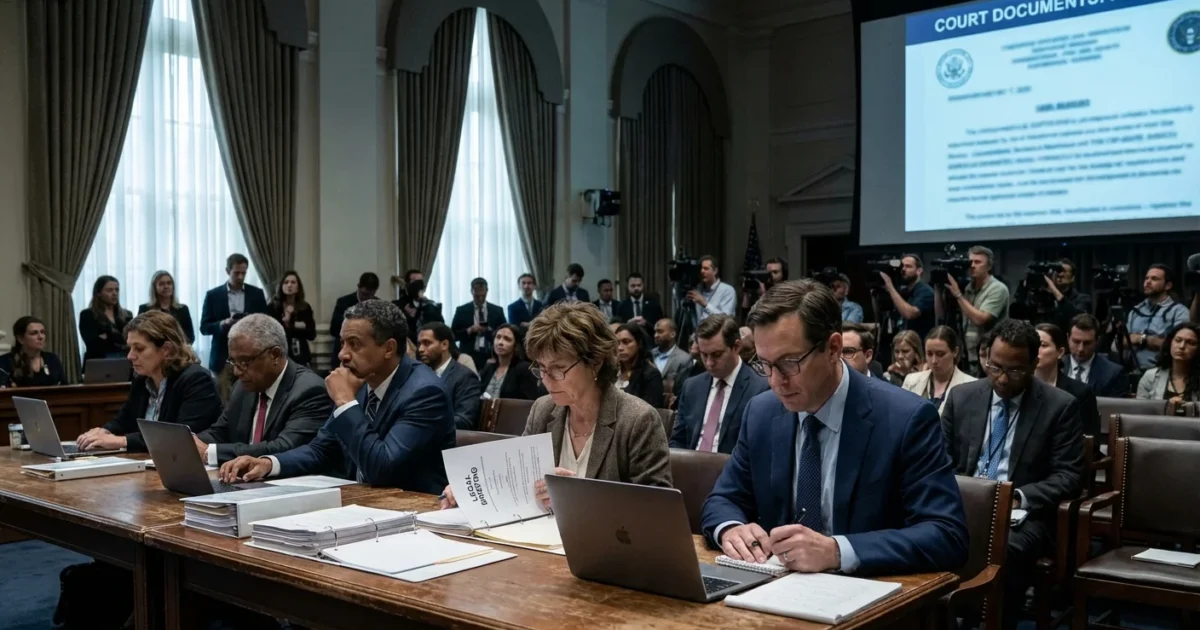
A federal judge has just ordered the Justice Department to release a massive cache of Epstein and Ghislaine Maxwell records within days. I reviewed the order, signed today by U.S. District Judge Paul Engelmayer. It enforces the new Epstein Files Transparency Act, which compels DOJ to disclose all unclassified materials by December 19, 2025. The court also set strict rules to protect survivor privacy. This is the largest forced disclosure in the case’s history. It will reshape the legal and political battle that has never really ended.
What the judge ordered
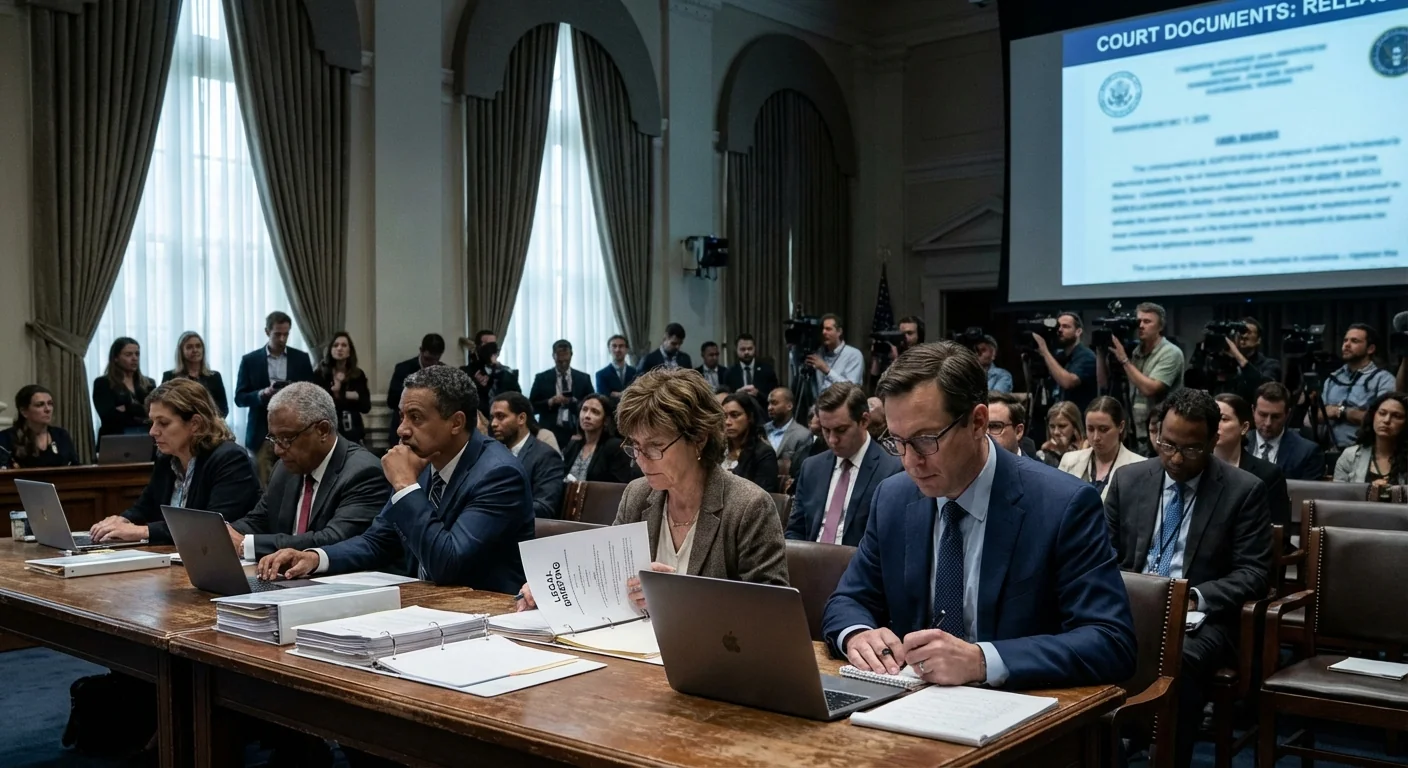
The order directs DOJ to unseal grand jury transcripts, search warrants, financial ledgers, electronic data, agent notes, and survivor interviews. Names and identifying details of victims must be redacted. The court warned that failure to meet the deadline will not be tolerated.
At issue is a core clash, transparency versus privacy. The judge cited Congress’s command in the new law. The ruling does not leave much room for delay. It does leave room for careful redaction and staged releases if needed to protect safety.
What will be released, subject to redactions, includes grand jury minutes, subpoenas, search warrant affidavits, interview reports, and financial records tied to Epstein’s network.
The legal stakes
Grand jury secrecy is a pillar in federal criminal law. Rule 6(e) protects the process. Congress has now carved an exception for Epstein-related files. By ordering compliance, the court confirmed that the statute controls and that courts will supervise how unsealing happens.
Survivor protections are set by the Crime Victims’ Rights Act. The order leans on those rights, especially dignity and privacy. Expect heavy redactions of names, addresses, and personal history. Expect the court to resolve close calls in victims’ favor.
There is a second legal issue. Public release could affect future proceedings. Maxwell’s team argues that broad disclosure will poison any retrial. They point to new trial motions and habeas claims that may still be in play. Courts have tools to handle prejudice, including careful juror screening, venue changes, and limits on inadmissible material. But those tools are imperfect. The risk is real, especially with grand jury material that was never tested in court.
Unredacted data can expose survivors and witnesses to harm. The court will sanction any party who fails to protect private information. Citizens should not share doxxed content.
Maxwell’s defense and the road ahead
Maxwell is serving a 20-year sentence after her 2021 conviction for sex trafficking and related conspiracies. She recently filed a pro se habeas petition and has sought other relief. Today’s order complicates her strategy. If new files suggest government missteps, her lawyers may claim they support relief. If they contain damaging detail, they will push the prejudice argument harder.
The court signaled it will consider targeted delays only if disclosure would cause concrete and irreparable harm to a specific proceeding. That sets a high bar. It also means the default is release, not secrecy. For any retrial claim, the burden will sit with Maxwell to show that exposure prevents a fair jury. That is difficult in federal court but not impossible.
Politics, prisons, and commutation pressure
There is also the custody picture. Reports describe preferential treatment at a Texas minimum-security camp. Alleged perks include special meals, late-night access, and privileges other inmates do not receive. If confirmed, that could trigger oversight by the Justice Department’s Inspector General and Congress. Equal treatment in federal prisons is not optional. It is a rule of law issue.
Maxwell is also preparing a clemency bid. A commutation would reduce her sentence. It would not erase her conviction. The release of investigative files will weigh on this effort. Presidents consider justice, mercy, and public confidence. The new disclosures could help or hurt, but they will certainly raise the political cost of any grant.
[IMAGE_2]
The Transparency Act does not require release of classified material or ongoing undercover methods. Those records will remain withheld or heavily redacted.
What citizens should watch next
- The scope of redactions, especially for survivor privacy and uncharged third parties
- Any emergency motions by Maxwell to delay specific disclosures
- Inspector General or congressional action on prison treatment claims
- The timing and content of a commutation application