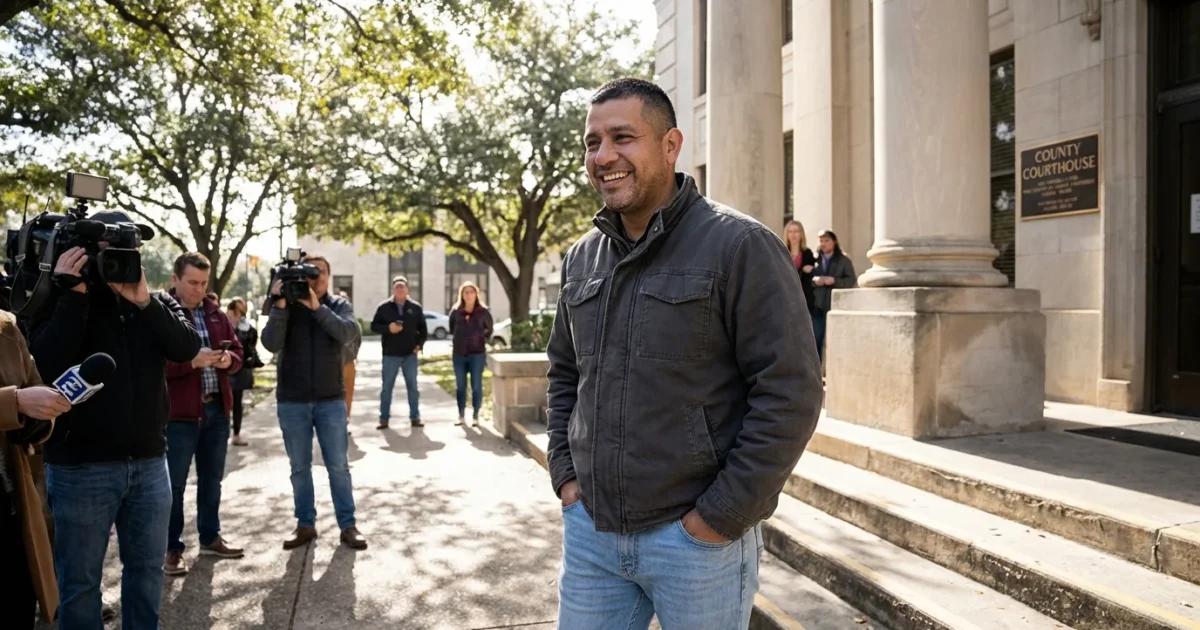
Kilmar Abrego García walks free tonight. I obtained the federal order that forces ICE to release him now, after a judge found his latest detention has no lawful basis. The ruling lands like a gavel strike, clear and final, and it raises sharp questions about how the government is wielding its immigration powers.
The Ruling, Plain and Urgent
In a swift decision from the U.S. District Court in Maryland, Judge Paula Xinis ordered ICE to release Abrego García immediately. I reviewed the order. The court finds that federal officials re-detained him without legal authority, despite a standing protection that barred his return to El Salvador.
The judge also condemned the government’s reliance on misleading claims. One claim suggested Costa Rica had withdrawn willingness to accept him. That claim fell apart, and with it the argument for moving him toward removal to a third country like Liberia. The court’s message is simple. Detention cannot rest on false or shifting ground.
Judge Xinis ordered immediate release, finding no lawful basis for continued detention and faulting the government’s misleading claims.
How We Got Here
An immigration judge in 2019 granted Abrego García withholding of removal. That meant he could not be sent back to El Salvador because of the risk of harm. No final deportation order followed. That distinction matters. Without a valid order, civil detention is tightly limited.
In March 2025, he was wrongfully deported anyway. The government later moved to correct the error, and he returned to the United States in June after legal and political intervention. Since then, he has been detained and re-detained. At times, officials floated third country options, including Liberia, undercut by the false Costa Rica claim. Meanwhile, video of his arrest ricocheted across the country, fueling a debate about power and process.
Abrego García also faces human smuggling charges in Tennessee. He has pleaded not guilty. His defense says some government actions looked retaliatory. Those criminal charges will proceed in court, but they do not allow civil detention that lacks a lawful basis.
Third country transfers require real consent from the receiving nation and a valid legal pathway. Misstatements cannot fill legal gaps.
What The Decision Means For Law And Policy
Today’s order draws a bright line around due process. Withholding of removal blocks deportation to the home country. It does not create a blank check to detain. The court says the government crossed that line.
Here is what changes now:
- ICE must release Abrego García without delay, as ordered by the court.
- Any new detention would need a clear legal basis and transparent evidence.
- Third country removal efforts must rest on verified consent and lawful authority.
- Courts can scrutinize and sanction misleading government claims.

The decision pressures both ICE and the Justice Department to tighten their filings and their facts. It also puts a spotlight on oversight. Congress and inspectors general may now seek records on how the wrongful deportation happened, why the re-detention persisted, and who approved the third country plan.
Citizen Rights And The Road Ahead
The Constitution protects people, not only citizens. Noncitizens have the right to due process. They have the right to counsel and to a fair hearing. When the government detains someone, it must point to lawful authority. It must give honest reasons.
For families living through immigration cases, the lesson is stark. Keep copies of court orders. Ask for decisions in writing. If detention ignores a prior protection ruling, courts can act.
If a loved one with protection status is detained, request the custody file, the removal paperwork, and any country acceptance letters. Facts and documents move judges.
The policy stakes are wider than one man’s case. Third country deportations require real agreements and careful review of safety risks. Courts will not accept improvisation. Nor will they accept claims that crumble under scrutiny.