BREAKING: The federal government is still partially shut down. It is day four. Funding for the Department of Homeland Security ran out early Saturday. Here is where things stand, what the law requires, and what it means for you right now.
What is open, what is not
I can confirm the shutdown began at 12:01 a.m. Eastern on January 31 after a short term funding bill expired. Because Congress did not pass a DHS bill, that department is now operating on limited authority. Other agencies tied to DHS operations are also feeling the strain.
Many core services continue. That is because they have permanent funding, trust funds, or other protection in law.
- Social Security checks are still going out.
- SNAP and veterans benefits continue.
- The Postal Service is operating.
- The IRS is open for now, but with limited capacity.
FEMA has about 7 to 8 billion dollars on hand for emergencies. Disaster response is still active, but new projects and planning are slower. Noncritical programs across DHS, and in partner offices, are curtailed or paused. Field staff are working only if their roles protect life or property.
Flights and data, pressure is building
The economic pulse that markets depend on is now delayed. The Bureau of Labor Statistics postponed today’s January jobs report. It also put off the December job openings data. Without those reports, public officials and businesses are flying with less visibility. Hiring decisions, rate calls, and budget plans will be based on guesswork for now. 📉
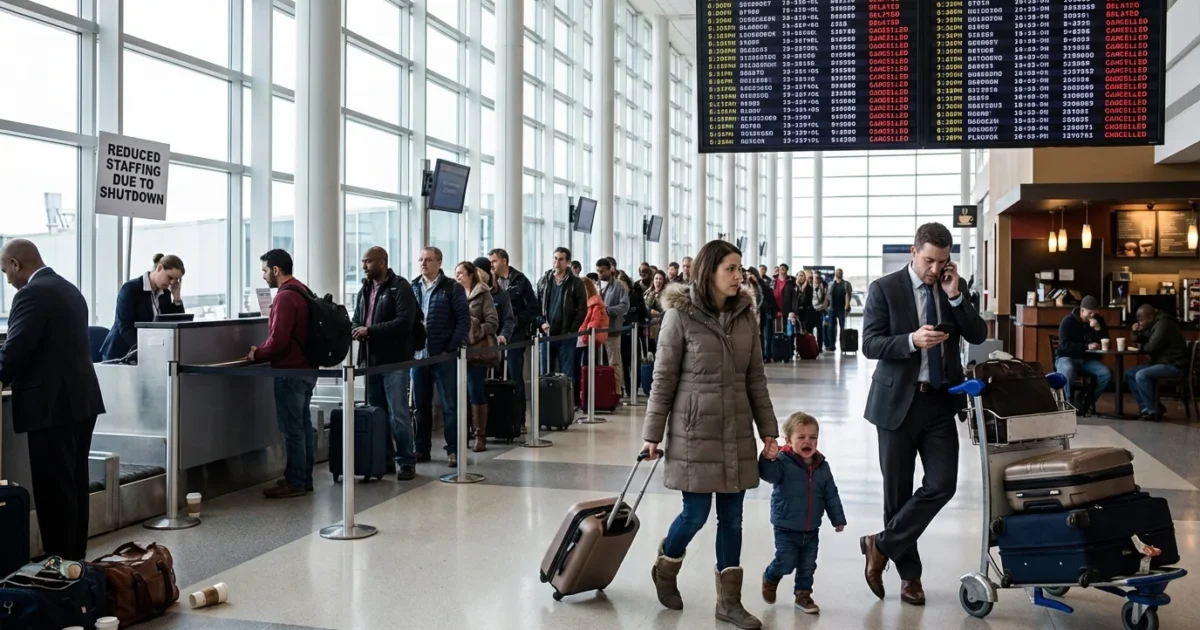
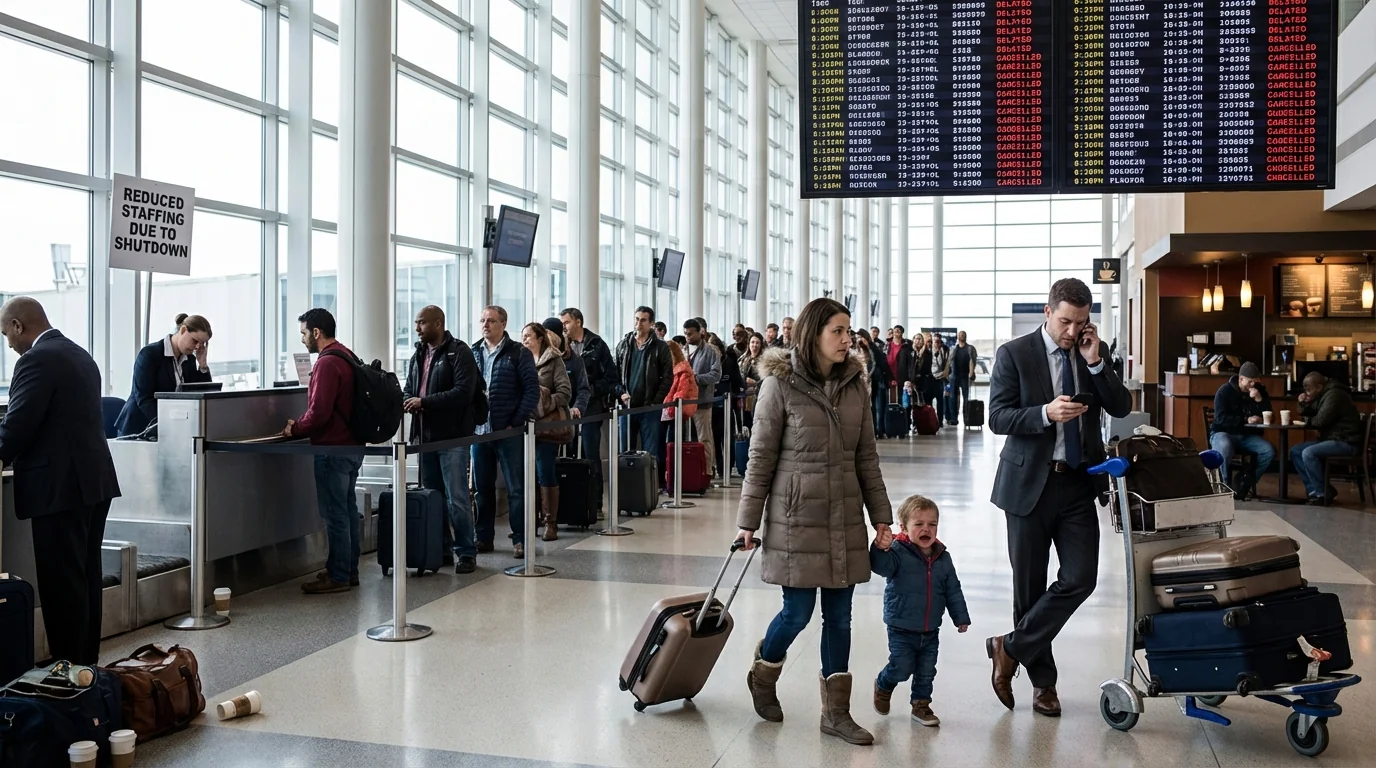
At the same time, air travel is under strain. The FAA issued furloughs to more than 10,000 employees. About 14,000 air traffic controllers are on duty without pay. They are essential workers, so they must report. But fatigue and staffing gaps raise the risk of delays and cancellations.
Expect longer lines at airports, fewer support staff on duty, and a higher chance of flight delays. Check your airline before you leave for the airport. ✈️
The law, your rights, and your paycheck
Shutdowns follow a strict rulebook. The Antideficiency Act bars agencies from spending money without an appropriation. There are narrow exceptions for work that protects life or property, or that is otherwise authorized by law. That is why some employees are furloughed, while others must work unpaid until funding returns.
If you are a federal employee, one protection is clear. Under the Government Employee Fair Treatment Act, you are entitled to back pay once the shutdown ends. That covers both furloughed staff and those working without pay. Contractors do not have the same blanket guarantee, so contract workers should check their agreements and agency guidance.
For citizens, benefits with permanent funding continue. That includes Social Security and Medicare. Nutrition aid and veterans services remain active, though local offices may scale back hours. IRS tax filing is open, and e filing works, but call centers and audits are slower. If you rely on a DHS benefit or service, expect delays in processing and responses.
Keep records of any missed appointments or deadlines caused by the shutdown. When operations resume, agencies often offer flexibility for good cause delays.
The vote that could end this
I am tracking House leaders as they weigh a vote to temporarily fund DHS through February 13. This is a short bridge. It would reopen most affected operations and give negotiators more time. The core fight remains over reforms to immigration enforcement. Senate Democrats seek new accountability rules for ICE, including stronger oversight and clearer identification. House Republicans have resisted that package. The gap is narrow on paper, but it is holding up the entire department.
If the House takes up the bill today and passes it with a broad vote, the Senate can move fast. The shutdown could end within days. If the bill stalls, the effects spread. More data releases would slip, and travel stress would mount.
Here is what a short extension would do right away:
- Restore pay and staffing for furloughed FAA personnel.
- Put the BLS back on schedule to release jobs data.
- Restart paused DHS services and grant processing.
- Reduce operational risk at airports and seaports.
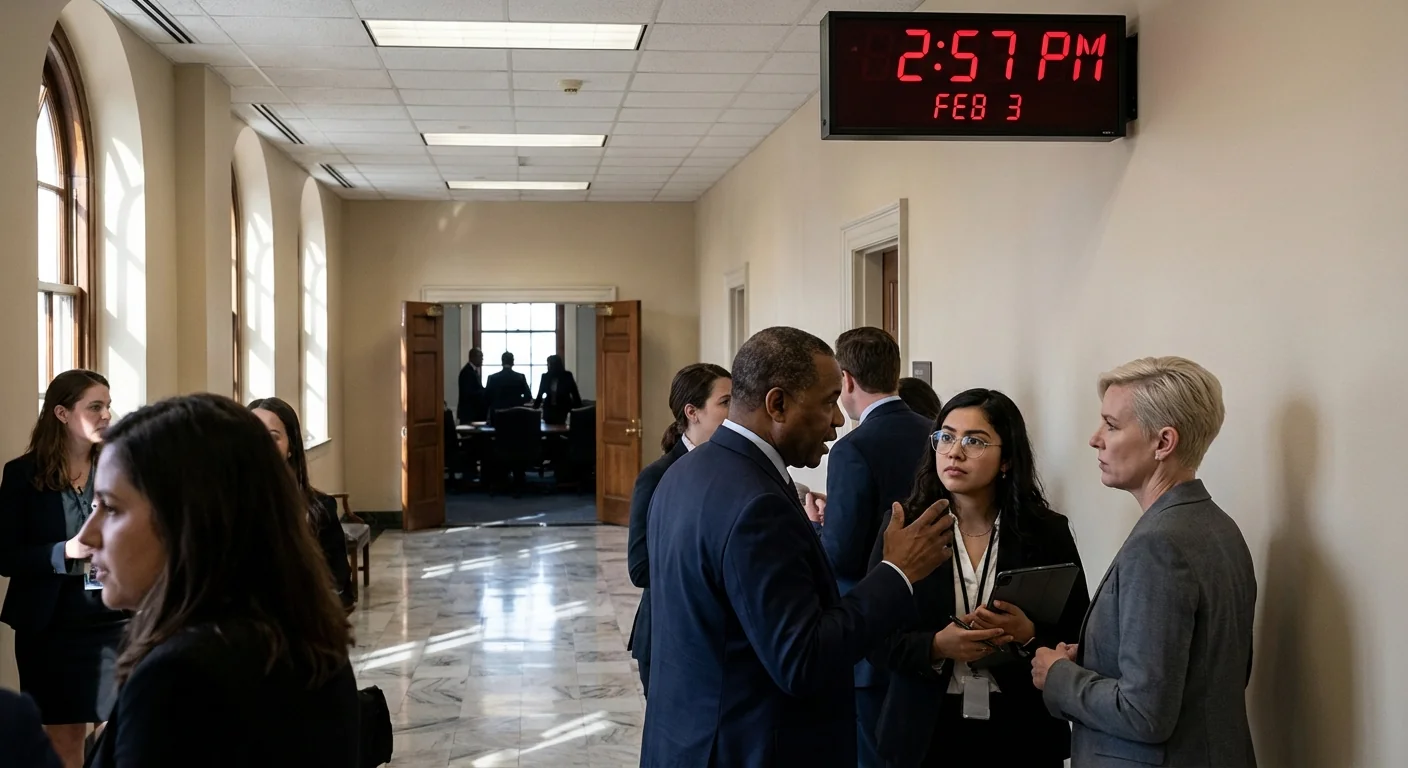
Clock check, Tuesday, February 3. Each hour without a vote increases the chance of deeper disruption this week.
The bottom line
Yes, the government is still in a partial shutdown. The missed jobs report, along with growing airport delays, is forcing a decision point. Congress can pass a short extension and end the immediate crunch. Or it can prolong the standoff over immigration enforcement policy. Your benefits continue, your rights remain intact, and back pay is guaranteed for federal employees. But the longer this lasts, the higher the cost in safety, data, and trust. The pressure is now squarely on the House floor.