
A government lawyer just said the quiet part out loud. In open court, while representing the government in an immigration case, attorney Julie Le told the judge, “This job sucks.” The remark was on the record. It hit like a fire alarm inside a system already under strain.
What happened, and why it matters
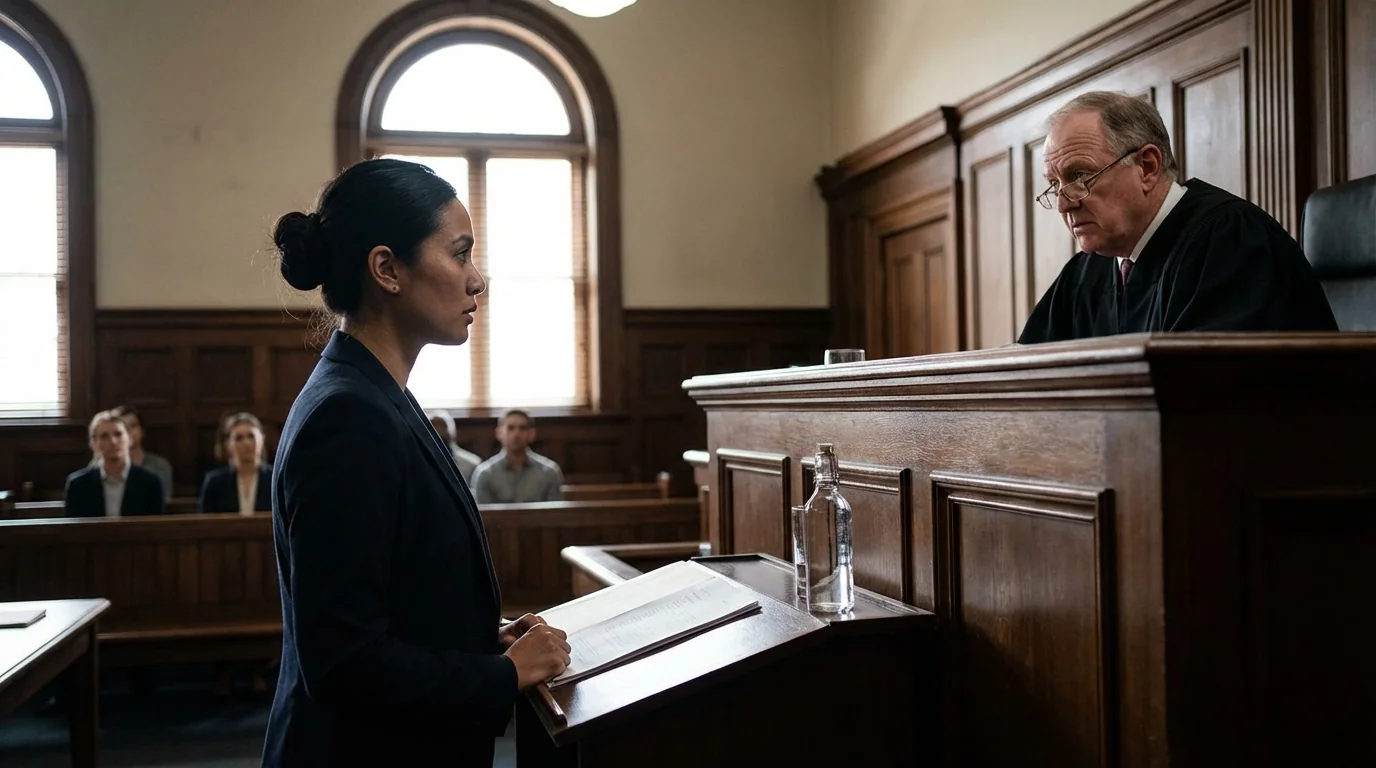
The line was not whispered in a hallway. It was spoken in front of a judge, with a court recorder running. That matters. Courtrooms demand decorum. Government lawyers speak for the United States. Their words carry the weight of the state. When a government attorney vents frustration in a hearing, even briefly, it raises real legal and civic questions.
This was said on the record in open court, which makes it part of the official case file.
Could a judge sanction a lawyer for a comment like this? Possibly, if it disrupted the proceeding. Judges can warn counsel, strike remarks, or pause a hearing to restore order. Immigration judges also have tools to report attorney misconduct to disciplinary authorities. The Department of Justice, through EOIR, can discipline practitioners who appear before immigration courts. DHS can also review employee conduct. One sentence is unlikely to drive a formal case by itself. But it is a signal worth watching.
The legal lens, not the gossip
The law expects candor and respect in court. The ABA Model Rules say lawyers should not disrupt a tribunal. They also require diligence and competence. A frustrated lawyer is still bound by those duties. The government side holds unique power, so the duty to act with care is even higher.
If you are a person in removal proceedings, here is what this moment means for you. Your due process rights do not depend on a lawyer’s mood. You have the right to a fair hearing, to present evidence, and to be heard by an impartial judge. If conduct by any lawyer appears to threaten that fairness, you can raise it on the record. Your own counsel can seek a short continuance. Your case should be decided on the facts and the law, not anyone’s burnout.
If a hearing feels rushed or chaotic, politely ask your lawyer about requesting a brief continuance to protect your rights.
A pressure cooker built by policy
Julie Le’s blunt line points to a deeper policy problem. Immigration courts face massive backlogs. Dockets are packed. Hearings stack up. Government attorneys carry hundreds of cases at a time. Respondents and their counsel do too. Everyone in the room feels the weight.
This is not a single office problem. It is a system design issue. Immigration courts are part of the Department of Justice, not the independent judiciary. DHS enforces the cases, EOIR judges them, and Congress funds both. When Congress underfunds judges or support staff, cases slow down. When policy changes shift priorities, dockets swing. Morale drops when resources do not match the mission.
There are fixes on the table, and they are not mysterious. More immigration judges, more support staff, and modern case management tools would shorten delays. Clear charging priorities would reduce churn. Smart use of prosecutorial discretion would focus the workload. None of this requires a new legal theory. It requires political will and steady funding.
Consequences, accountability, and citizen rights
What happens next for Le will come down to internal review and judicial discretion. The tools are familiar.
- A judge can issue an oral admonishment and move on.
- DHS can counsel or discipline the attorney under workplace rules.
- EOIR can refer practitioner conduct for review if a pattern emerges.
- None of these options change the legal merits of respondents’ cases.
For the public, this moment is a window into how government works under strain. Citizens have the right to expect professional conduct in court. They also have the right to demand a functional system that does not grind its people down, whether they are civil servants or families seeking relief.
If you witnessed conduct that concerns you, use formal channels. Court transcripts can be requested under court rules. Complaints about attorney behavior can be filed with the agency or with EOIR’s disciplinary counsel. Oversight exists for a reason.
Do not target, harass, or dox public employees. Use official complaint and oversight channels to seek accountability.

The bigger picture
One sentence can be a symptom. Today, the symptom is loud. It echoes through courtrooms where overwork and delay are now routine. We should not mistake candor for contempt, and we should not shrug at burnout either. Both can erode justice.
This is a call to act. Congress controls the purse. DHS and DOJ manage the dockets. Judges run the rooms. Each has a piece of the fix. People’s lives are on the line in these cases. So are the careers of those sworn to serve the law. We can have both fairness and professionalism. We can reduce backlogs without burning out the people who carry them. The record now includes three words that tell the truth. The next record should show what we did about it.