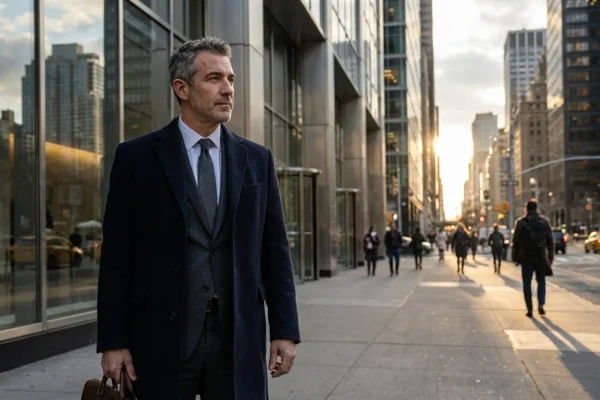
Jack Smith stepped into the bright lights of the House Judiciary Committee and did not flinch. In a rare public hearing, the Justice Department’s special counsel defended his work, his team, and the wall that is supposed to stand between prosecutors and politics. He offered few specifics on the Trump cases. He did offer something else, a clear test of how our system handles pressure.
Who Jack Smith Is
Jack Smith is a career prosecutor. He ran the Justice Department’s Public Integrity Section, which covers crimes by public officials. He also served as a war crimes prosecutor at The Hague, a court that tries the gravest offenses on earth. He is used to high stakes.
Attorney General Merrick Garland appointed Smith in November 2022. His charge is narrow and heavy. He oversees two federal investigations that involve former President Donald Trump. One focuses on efforts to overturn the 2020 election result. The other addresses classified documents kept at Mar a Lago.
Smith is not a political appointee in the usual sense. He does not set national policy. He runs focused criminal probes. He follows the facts and the law, then brings charges if the evidence meets the standard.
A special counsel is a Justice Department lawyer who gets independence for a specific case, but still answers to the Attorney General on rules and budget.
What His Testimony Revealed
The hearing showed the friction between Congress and the Justice Department. Lawmakers pressed Smith about decisions, timing, and contacts with senior DOJ staff. Smith kept his answers tight. He defended the independence of his office. He declined to discuss ongoing matters.
Republicans accused him of bias. They pointed to charging decisions and the calendar of the cases. Democrats stressed the evidence in the indictments. They argued the work is routine, even if the defendant is a former president. The exchange was sharp, and often personal, but the law is not decided in hearing rooms.
Smith’s stance was firm. He said his team follows department rules. He said political views do not control his actions. He pointed back to court filings and jury instructions, not cable clips.
The hearing does not change any indictment, trial date, or motion already before a judge. Courts, not committees, decide guilt or innocence.
The Legal Stakes
The election case tests the limits of criminal liability for attempts to disrupt the transfer of power. It touches on conspiracy, fraud, and obstruction statutes. The documents case concerns national defense information and how it is stored and shared. Both cases face complex motions, including arguments about privilege, immunity, and evidence.
Smith’s testimony hinted at a central theme. Prosecutors must protect the integrity of trials. That means no public debate about facts that belong in court. It also means careful speech from both sides. Judges can order limits to protect juries and the process.
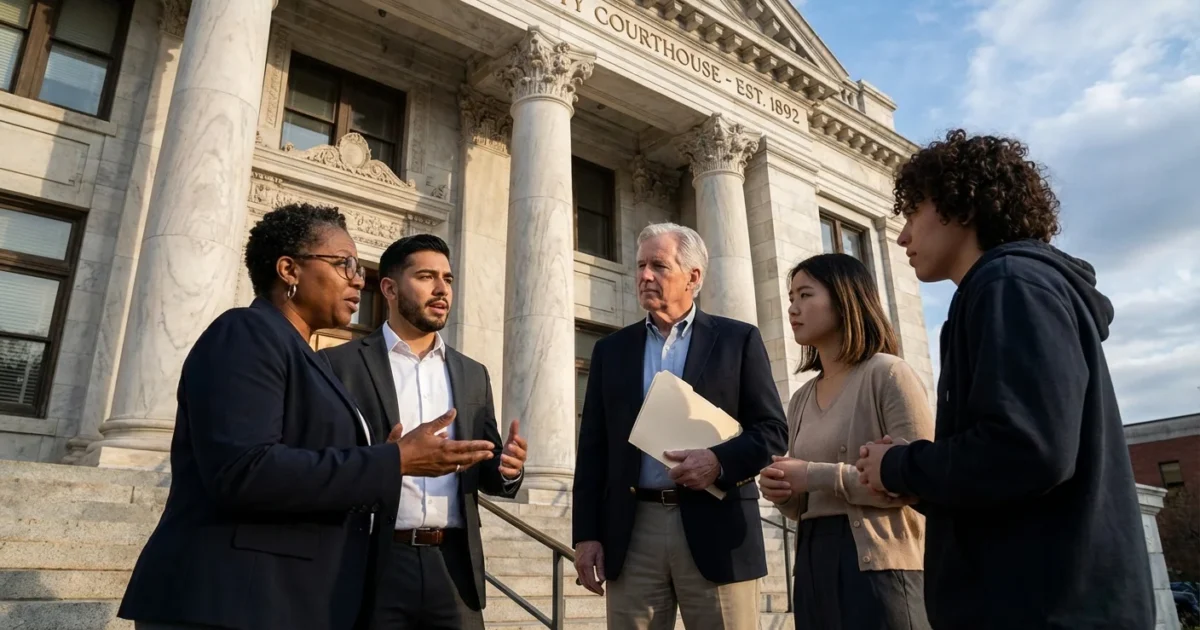
For citizens, the rights at stake are basic and broad:
- The right to a fair and public trial
- Equal justice, no special breaks and no special burdens
- Due process, from charges to verdict
- A government that answers to law, not to party
[IMAGE_2]
Oversight, Independence, and Policy
Congress has a duty to oversee the Justice Department. It controls budgets and can shape laws that guide federal prosecutions. The department has a duty to keep cases free from political push and pull. That is the separation of powers at work.
Smith followed the long standing playbook. He spoke on process, not on evidence. He cited department policy that guards open cases from outside influence. This is not stonewalling. It is a shield meant to protect trials, witnesses, and juries.
There is real policy weight here. Future special counsels will look to this moment. How much detail did Congress demand. How much could a prosecutor safely share. The answers will guide how the department handles sensitive cases that collide with politics.
Aggressive oversight can inform the public, but it can also risk tainting a jury pool or chilling witnesses. Judges watch this closely.
What Comes Next
Expect the courtroom to matter most. Watch for rulings on motions that could narrow charges or shift timelines. Discovery fights will continue. So will arguments over privilege and immunity. Any appeal on a major ruling could pause parts of the cases.
On Capitol Hill, more letters, subpoenas, and budget threats may follow. That is the political arena. But trials run on rules of evidence and procedure. Those rules are set by judges, then tested by juries.
The bottom line is clear. Jack Smith is a veteran prosecutor with a narrow mission. His testimony did not move the legal goalposts. It did spotlight a system under strain, and the guardrails that hold it together. Keep your eye on the docket, not the dais. Justice is measured in verdicts, not in viral exchanges ⚖️.
Conclusion
Today’s hearing showed how fragile and strong our institutions can be at the same time. Fragile, because noise can drown out nuance. Strong, because rules still guide the work. Smith’s investigations continue in court. Congress continues to press. The public continues to watch. That balance, tested and imperfect, is how a democracy holds itself to its own standards.