BREAKING: Iran threatens retaliation as U.S. repositions troops, testing the limits of law and policy
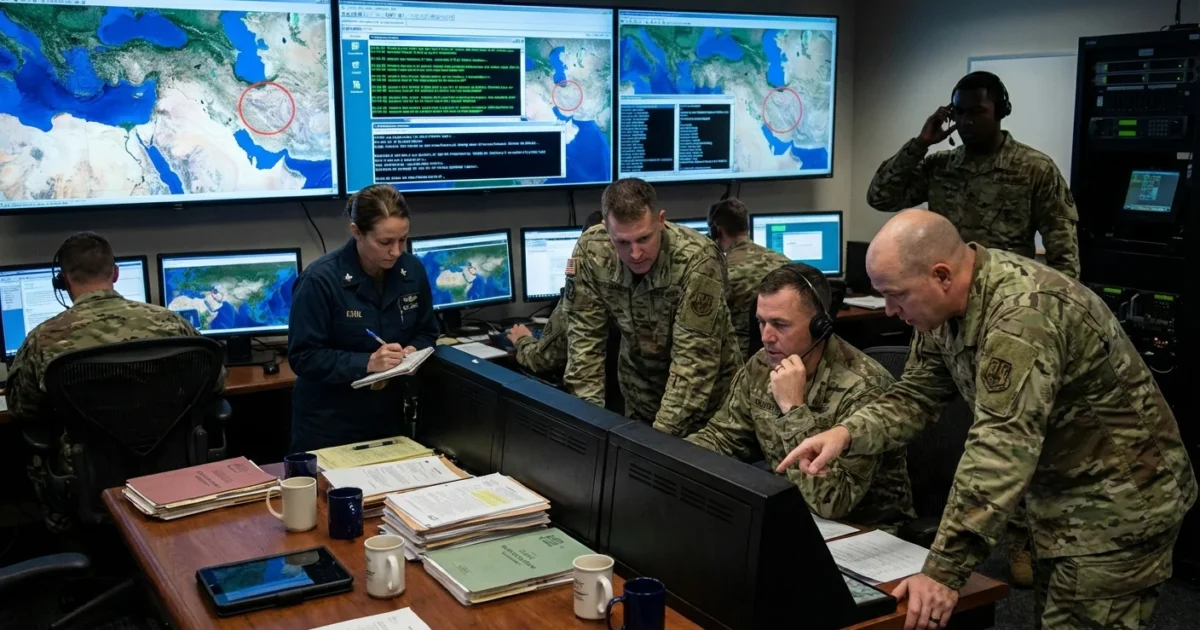
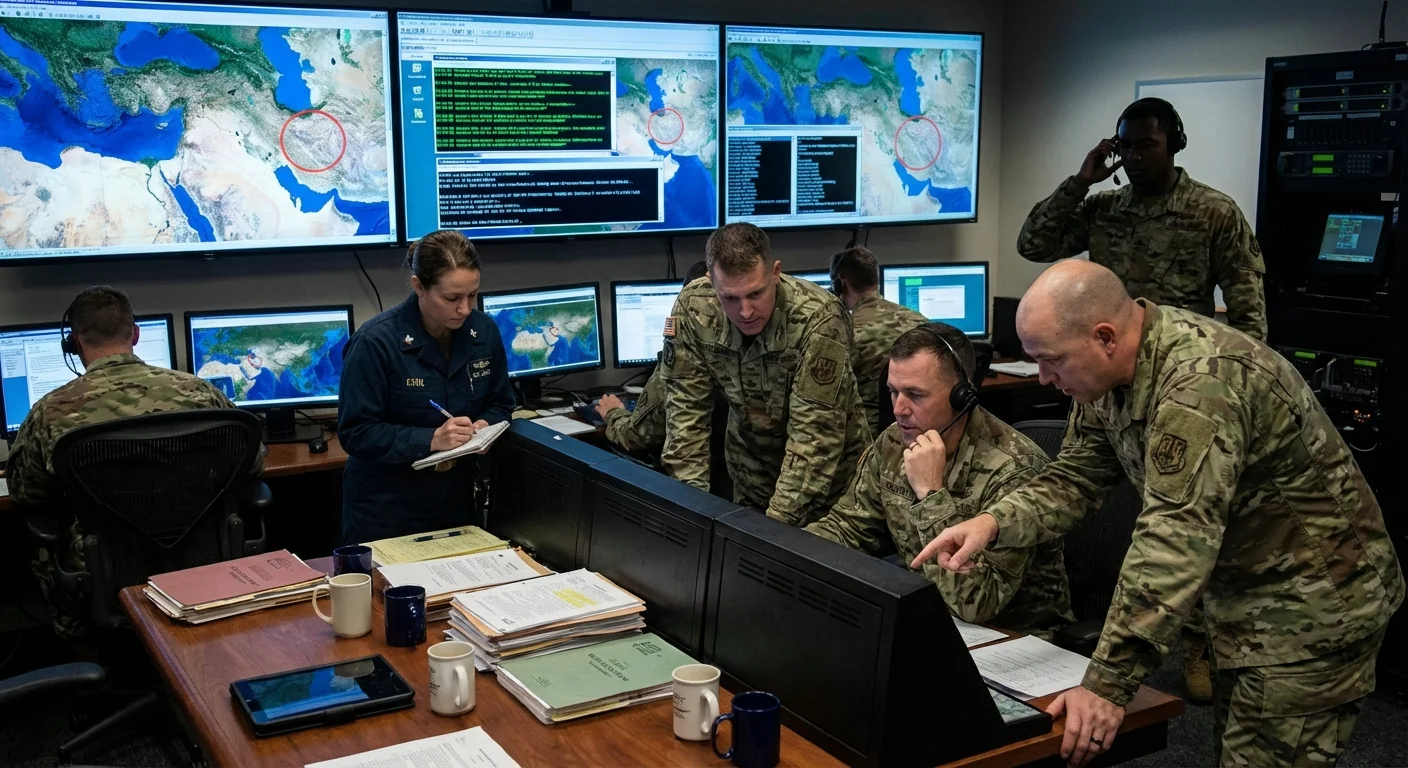
Iran has warned it will hit back if President Trump orders strikes. In fast response, the U.S. has quietly moved some military personnel out of exposed positions in the Middle East, including from Qatar. My reporting confirms the moves are precautionary. They send a sharp signal to Tehran, and they buy time for the White House to decide next steps.
What the military moves mean right now
This is not a full withdrawal. It is force protection. The Pentagon is reducing the number of soft targets. It is also making clear that Washington can escalate if needed.
Pulling select units back changes the risk mix. It makes bases harder to target. It also keeps high value assets ready to move. That is deterrence. It tells Iran that quick attacks will not land easy blows.
At the same time, repositioning hints at the decision timeline. Leaders are still weighing options. If a strike order were imminent, you would see dispersal widen and air assets surge. The current posture suggests hours to days of review, not minutes.
The legal path to any U.S. use of force
Any strike order would run through two bodies of law, domestic and international.
Under U.S. law, the President can act under Article II to repel an imminent threat. That power is limited. The administration would need to show a clear, specific danger. Past Justice Department memos lean on that standard. The War Powers Resolution then requires a report to Congress within 48 hours. If hostilities continue, a 60 day clock starts, unless Congress authorizes more.
Congress still has the 2001 and 2002 AUMFs on the books. Both are contested in this context. Using them here would face hard questions in court and in oversight hearings. Expect immediate demands for a classified briefing. Expect public letters pressing for a narrow or new authorization.
International law is also in play. Any strike would need a self defense claim under the U.N. Charter. The U.S. would file a notice to the Security Council. It would cite evidence of an armed attack, or an imminent one. If the target is in a third country, the U.S. would argue that state is unwilling or unable to stop the threat.
Sanctions could tighten too. The President has broad power under the International Emergency Economic Powers Act. New designations can hit banks, energy, and shipping. Those steps do not need new legislation. They do need clear findings and notice.
If the White House acts under Article II, expect a War Powers report to Congress within 48 hours and a UN filing soon after.
What citizens should know about rights and responsibilities
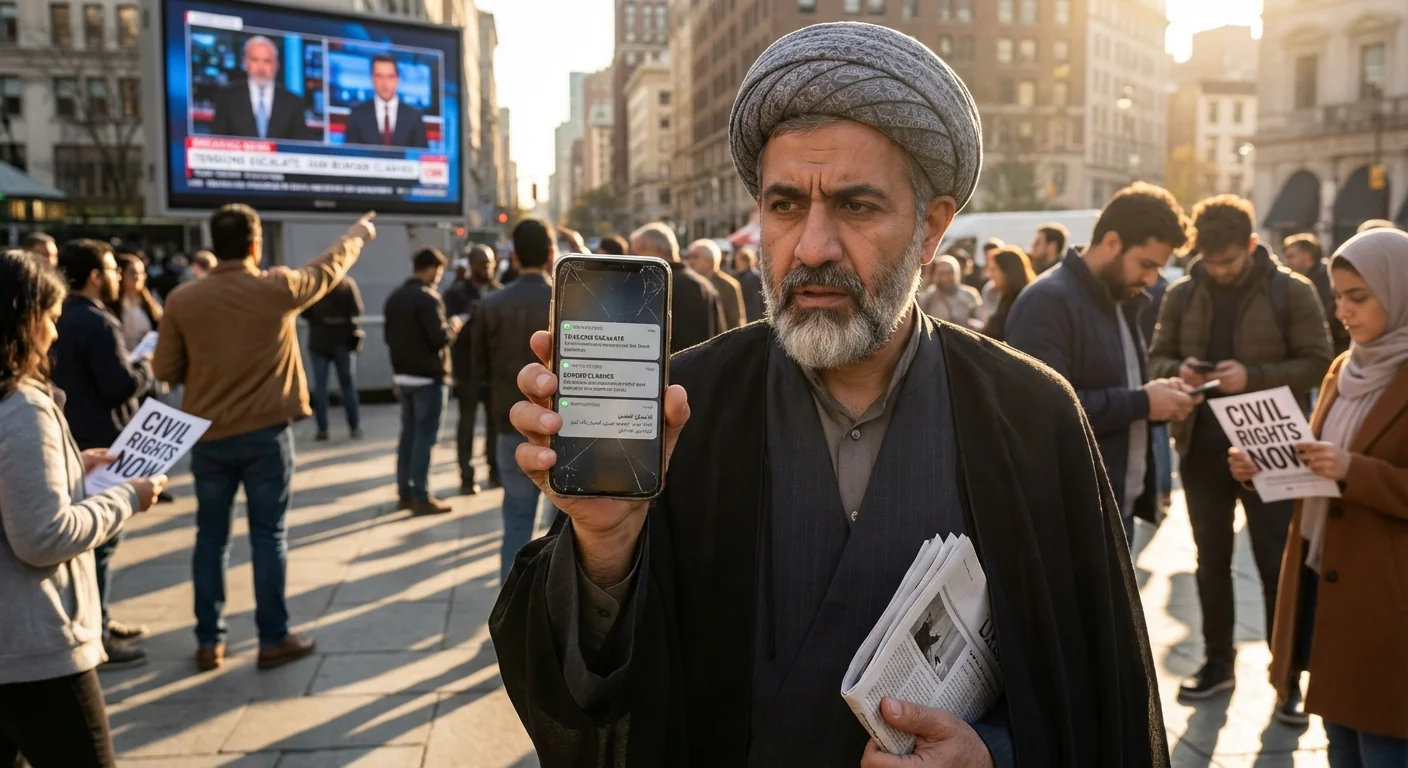
At home, heightened security should not erase civil rights. You can protest in public forums. You must follow lawful time, place, and manner rules. Permits may be required for large marches. Police must protect peaceful speech. Unlawful orders can be challenged in court.
Travelers should check State Department advisories. Embassy staff can order a drawdown for safety. That affects consular services. It does not end the right to assistance if you are a U.S. citizen abroad.
At airports, screening may tighten. Agents can search devices at the border. You can ask for a lawyer, though counsel is not guaranteed during primary inspection. U.S. citizens have the right to enter the country. Do not sign forms you do not understand.
Cyber threats tend to rise in these moments. Expect warnings from CISA to critical infrastructure. Expect phishing campaigns that pose as aid or security alerts.
Beware fake evacuation notices, donation links, and urgent emails about “new rules.” Verify through .gov channels before you click or pay.
If you face discrimination tied to national origin or religion, federal and state civil rights laws protect you. Report harassment and hate crimes to local police and the DOJ. Schools and employers must prevent a hostile environment.
Signals to watch in the next 72 hours
- A formal War Powers notification sent to congressional leaders
- Visible air and naval movements into the region
- New sanctions or cyber directives from Treasury and CISA
- Back channel messages through European or Gulf partners
If you are in the Gulf region, enroll in the State Department’s STEP program, keep copies of documents, and maintain a low profile.
The road to escalation or restraint
There are three likely paths. The first is a contained response and counter response, with targets tied to proxy groups. That keeps the conflict below a wider war, but it is unstable. The second is a short, sharp U.S. strike to reestablish deterrence, followed by a pause. That depends on tight messaging and real channels to Tehran. The third is de escalation through quiet talks, with reciprocal steps. That demands time, which troop moves are buying.
For now, Washington is trying to hold the line. The law gives tools, and it sets limits. Policy choices in the next two days will decide which matters more. The public should stay alert, stay informed, and insist on both safety and the rule of law.