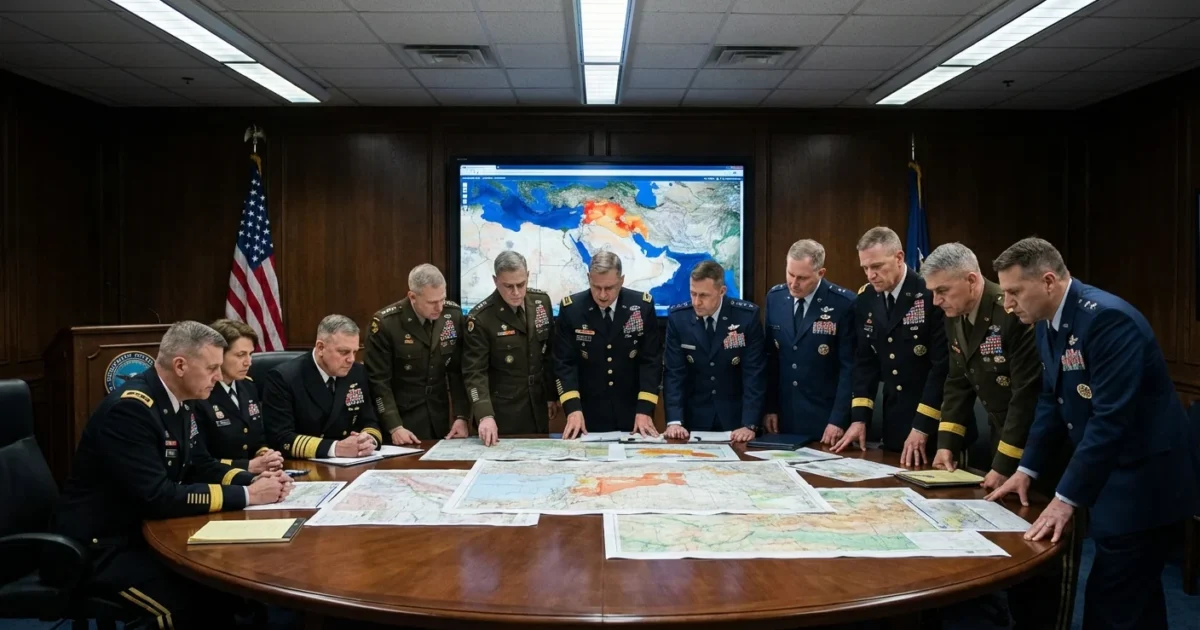
BREAKING: No, Iran has not declared war on the United States. Despite fierce words today, the legal status between the two countries has not changed. I have reviewed today’s official postings and public notices. There is no formal declaration by either government.
What was said today
Iran’s president said his country is in a full scale war with the West. He named the United States, Israel, and Europe. Iranian officials also pushed back on US warnings about missiles. The tone grew sharp. The risk of miscalculation rose with it.
Rhetoric can signal resolve at home and deterrence abroad. It can also blur lines. But strong words do not create a legal state of war. Only formal state action does that.
The legal state has not changed. There is no declared war between Iran and the United States.

What counts as a declaration of war
Under international law
Modern war often begins without a paper declaration. The UN Charter discourages the use of force except in self defense or with UN approval. A state can still make an official declaration. That is rare. It usually appears as a public decree or diplomatic note sent to the other state. Clear, formal, and traceable.
If Iran were to declare war, it would issue an official act through its recognized organs. For example, the Supreme Leader or the government would publish a binding statement. It would be carried on official channels. We have not seen that.
Under United States law
The US Constitution gives Congress the power to declare war. The President directs the military. Without a declaration, Congress can still authorize force. The War Powers Resolution sets reporting rules if US forces enter hostilities. The clock starts only when troops are introduced into combat or imminent hostilities.
As of this hour, there is no public notice to Congress of new hostilities with Iran under the War Powers framework. There is also no new US declaration or authorization tied to a war with Iran.
Where policy stands right now
Expect firm posture by both sides. That may include military moves, sanctions steps, and sharp public messages. These are policy tools short of war. They carry legal effects, but they do not by themselves create a declared war.
Travel advisories can tighten. Maritime alerts can expand. Export controls can shift. Banks and tech firms may see new compliance guidance. If any of this changes, it will appear in official bulletins and registers. Watch for those, not only for headlines.
Strong words can move markets and raise risks. They do not, by themselves, trigger war powers or conscription.
What to watch next
Clear indicators of a legal shift will be obvious on the record. Here is what matters most in the coming hours and days:
- An official Iranian decree or parliamentary act naming the United States as a wartime foe
- A formal diplomatic note or statement lodged through recognized channels
- US or Iranian filings at the United Nations about use of force or self defense
- Public defense mobilization orders, mass evacuations, or maritime exclusion zones
- A War Powers letter from the White House reporting US forces in hostilities with Iran
Save official notices from government websites when you see them. Screenshots and links help you verify updates.
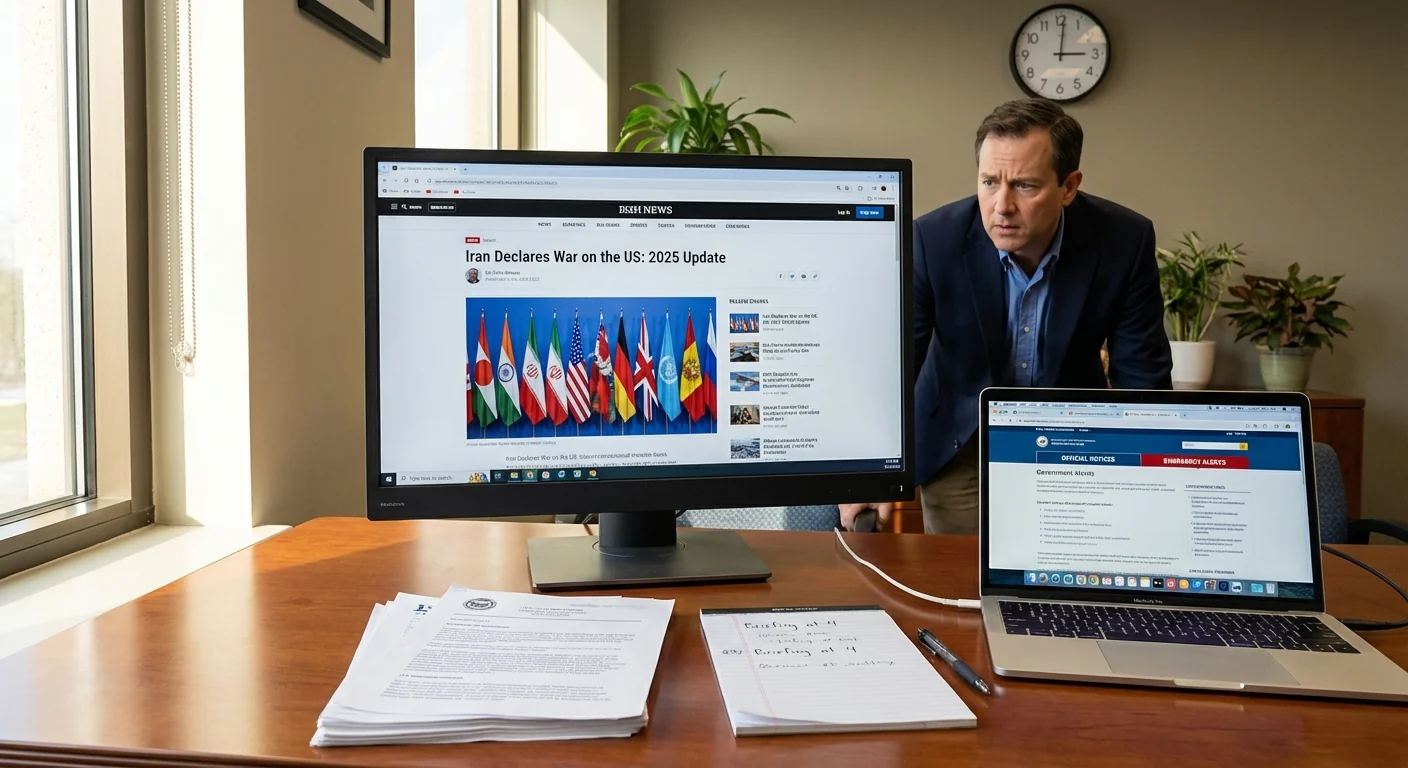
What this means for citizens
Your rights are intact. You should stay informed and steady. If you are a US traveler abroad, check State Department advisories and register your trip. If you are an Iranian American, you retain full constitutional protections. Discrimination based on national origin is unlawful in workplaces, schools, and public services.
If you work in trade, shipping, finance, or tech, monitor sanctions guidance. Follow your compliance officer’s instructions. Journalists and NGOs should review safety plans and accreditation rules. Service members should follow command channels for any orders.
- Check only official alerts for travel, sanctions, and security updates
- Keep your identification and essential documents current
- Treat rumors with care and verify before sharing
- Know your rights, including counsel and due process, if questioned at ports of entry
The bottom line
Today’s language is hot. The law is cold. Iran has not declared war on the United States. The United States has not declared war on Iran. Policy may harden. Risks may rise. But war, as a legal state, begins with formal acts or clear armed conflict. I will keep tracking the records that matter, and I will flag any legal shift the moment it appears. Stay alert, stay calm, and watch the documents.