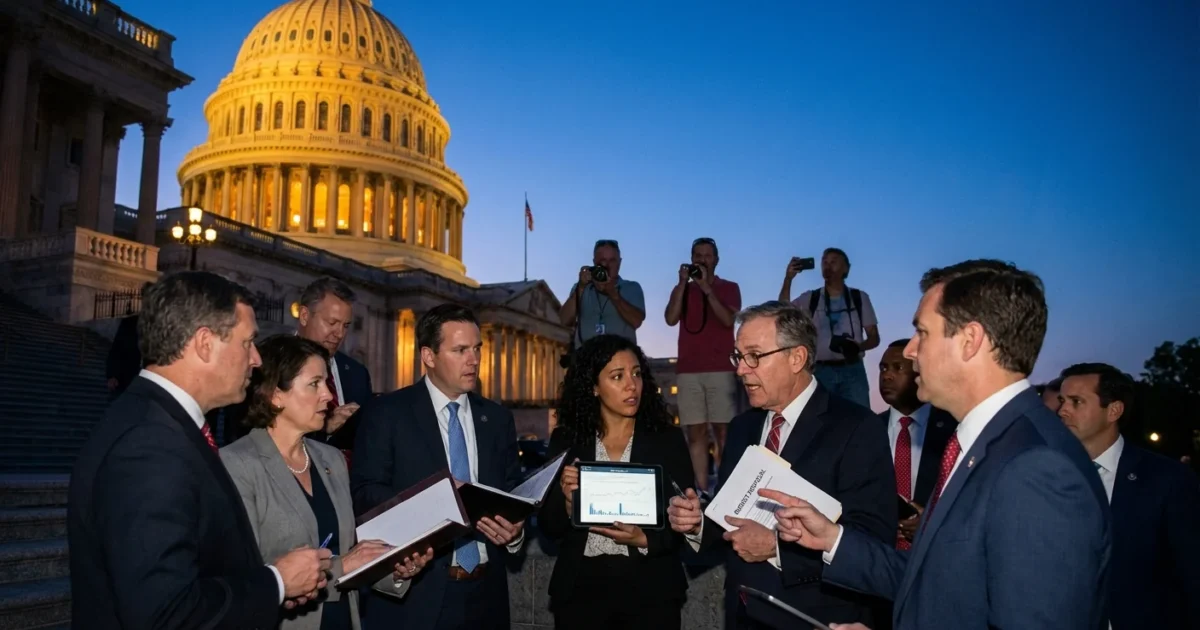
Breaking: Congress unveils $1.2T funding package to stave off shutdown
The Capitol is racing the clock tonight. Congressional leaders have released a $1.2 trillion, multi‑bill deal to keep the federal government open. Floor votes are being scheduled now. If the package passes both chambers and reaches the President in time, a shutdown will be averted. If even one step slips, federal funding lapses at 12:01 a.m. after the deadline. The stakes are legal, fiscal, and personal.
What is in the deal
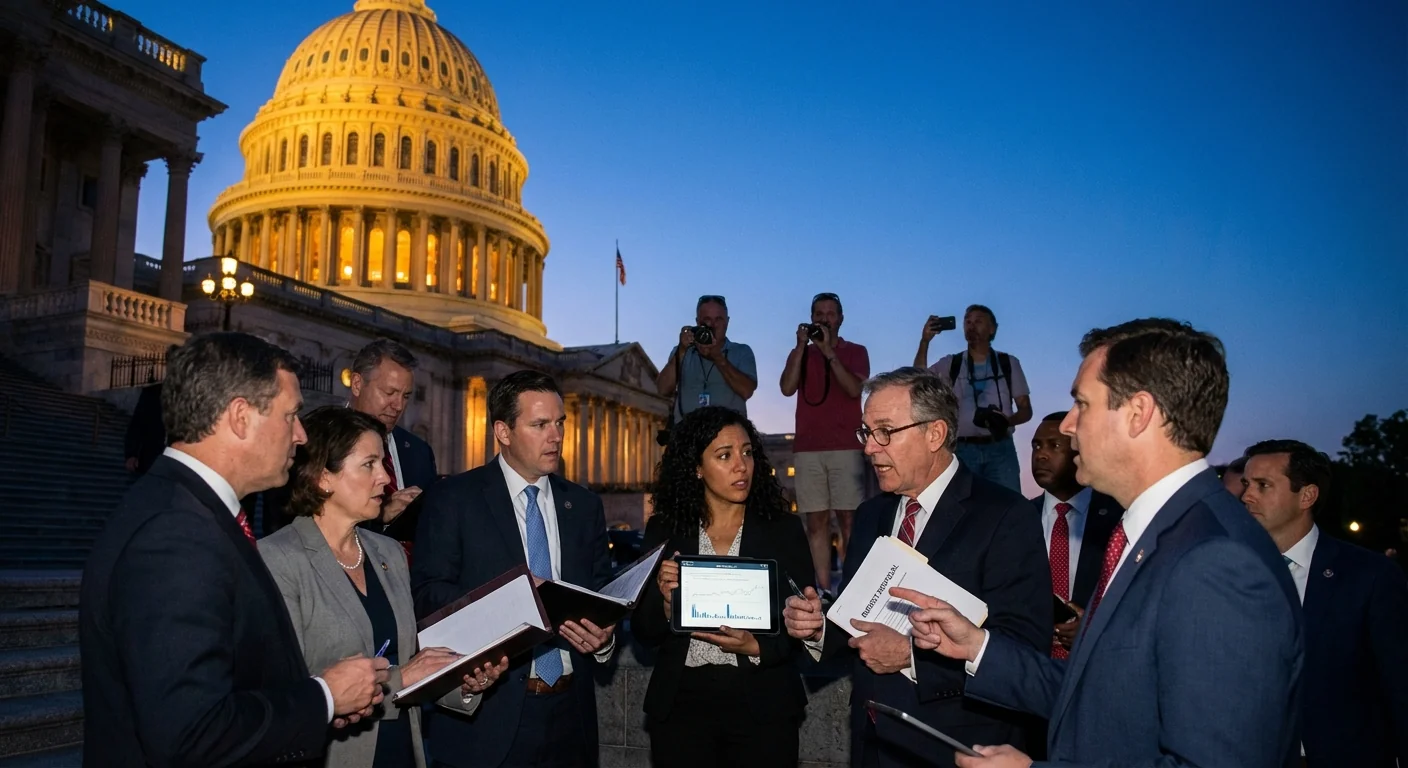
Appropriators bundled major bills to speed passage. The release includes the core domestic and defense measures that fund most daily government operations. It covers Labor, Health and Human Services, Education, Defense, and Transportation, Housing and Urban Development. The agreement also aligns money for the Department of Homeland Security with the broader package, to keep border, TSA, and disaster operations on stable footing.
Here is the backbone of the package:
- Labor, HHS, and Education, clinics, research, student aid, and worker protections
- Defense, pay and operations for troops and civilians, plus procurement
- Transportation and HUD, roads, transit, aviation, housing vouchers, and community development
- Department of Homeland Security, border, FEMA, TSA, and cybersecurity
This is a bipartisan deal. Negotiators traded policy riders for steady funding. Many controversial add‑ons were sidelined to avoid a collapse at the finish line. Defense accounts see predictable dollars. Domestic programs see targeted increases and trims, with rescissions and savings used to close gaps. The intent is clear, keep the lights on for the rest of the fiscal year and avoid stop‑and‑go governance.
How it came together, and what happens next
House and Senate appropriators worked across the aisle into the deadline window. Leaders settled topline numbers, then unlocked the details. Releasing three bills at once serves a legal and practical aim, it allows both chambers to take synchronized votes and minimize procedural drag.
Process matters now. The House must first adopt a rule that sets debate time and votes. The Senate can fast‑track by unanimous consent. If a single senator objects, normal timing rules can add days. That is why the clock, not just the content, is the risk.
If time runs out, leaders have one backup. They can pass a very short stopgap, even for 24 to 72 hours. That would bridge the gap while the larger bills finish. It is not plan A. It is a legal safety valve to avoid triggering a shutdown under the Antideficiency Act.
If funding lapses, agencies must stop non‑excepted work immediately. Furloughs begin. Pay pauses for many workers until funding returns.
The legal stakes for agencies and citizens
Shutdowns are not messaging events. They are legal events. The Antideficiency Act bars agencies from obligating money without appropriations. When funding expires, work that is not legally protected must stop. Only excepted functions continue, such as national security, air traffic control, border protection, and activities needed to protect life and property.
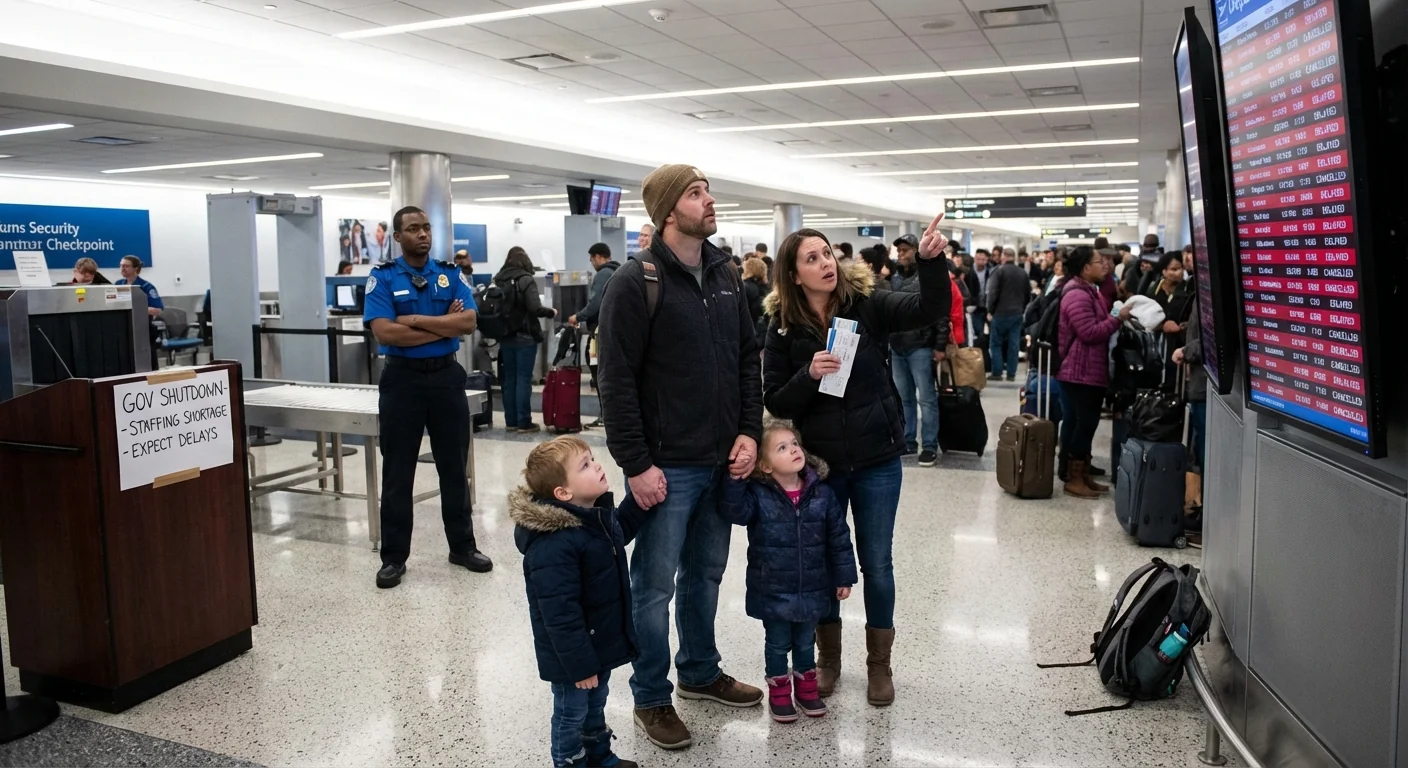
What would you feel first if talks fail? Airport security and air traffic continue, but lines may grow as staffing flexes. Federal websites and call centers slow or go dark. New permits, grants, and some loans pause. Passport and visa processing can be delayed. Housing voucher payments and transit grants proceed only if already obligated.
Courts can operate for a short period using fee balances. If a lapse lasts, civil cases can be delayed. Criminal cases move because liberty interests are at stake. Social Security and Medicare benefits continue, since they use permanent funding, but some customer service slows. Federal student aid keeps flowing where funds are already committed, but new actions may wait for staff.
For service members and many federal employees, pay depends on enacted appropriations. Congress often authorizes back pay after a lapse. That does not help with rent or childcare in the moment. Contractors face stop work orders and cannot count on repayment.
Need to know what is open near you? Check your agency’s shutdown plan and status page. Courts post operating orders. Airlines and TSA post staffing and wait time updates.
What to watch in the votes
Watch three hinges in the hours ahead. First, the House rule. If it passes cleanly, the package moves. Second, whether the Senate grants consent to compress debate time. That choice determines whether final passage comes fast or late. Third, whether any last‑minute policy fights flare. Leadership stripped many riders to keep the path clear, but floor amendments can still test the deal.
Two outcomes are on the table. If both chambers pass the bills, the government is funded through the fiscal year. Agencies execute plans, grants go out, and the budget fight resets for next year. If the timeline slips, a blink‑length stopgap may be needed to avoid a midnight lapse. If neither passes, a shutdown begins, with all the legal limits that follow.
This package is the governing choice in front of Congress tonight. It keeps troops paid, classrooms supported, labs running, and planes moving. It also respects the law that protects the public purse. The clock is loud. The votes will tell. ⚖️
Conclusion
The federal government runs on law, not autopilot. With this $1.2 trillion deal on the floor, Congress can keep the nation open for business. The alternative is a shutdown that touches paychecks, services, and rights. The next few hours decide which future arrives.