BREAKING: Prosecutors Lean on Digital Trail in Brian Walshe Murder Trial
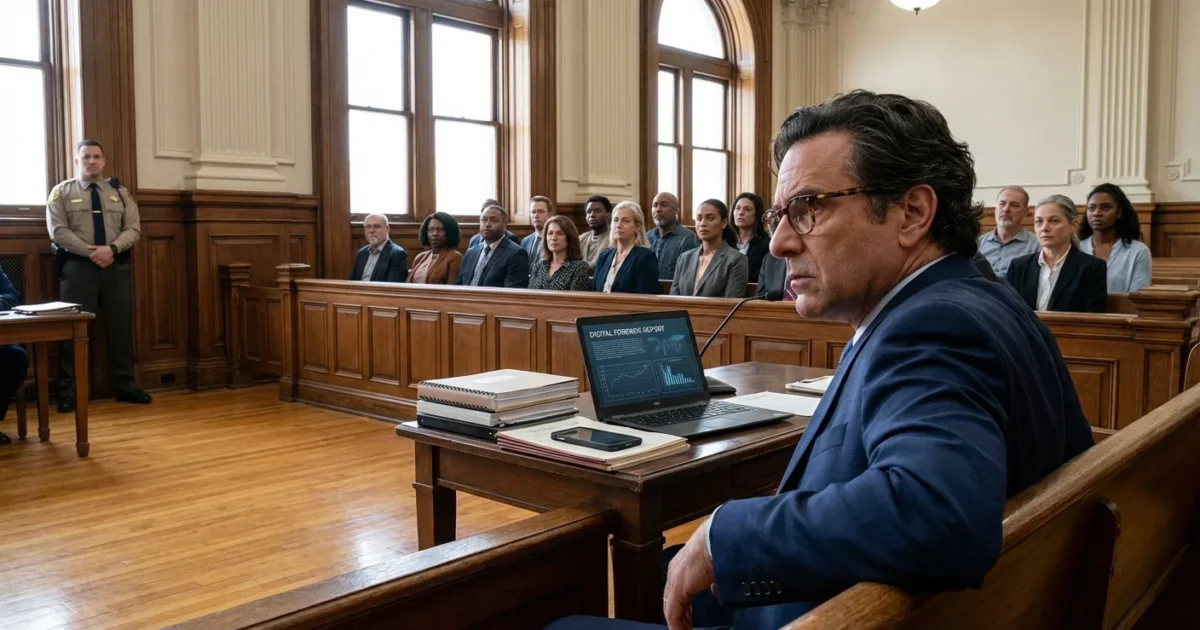
I watched the jury lean in as prosecutors opened their case against Brian Walshe today. They put phones, searches, and trash bags at the center of a murder charge without a body. They say Ana Walshe is dead, and that her husband planned it. The defense says he did not kill her, and that panic, not murder, explains what came after.
What Happened in Court Today
Jurors heard about a string of internet searches on January 1, 2023. The state read phrases like how to saw a body and how long before a body starts to smell. They also showed video from stores. It appeared to show Walshe buying cleaning supplies, a hacksaw, and a hatchet soon after Ana vanished.
Investigators found a bloody knife in the basement. They tracked trash bags to area dumpsters. Inside, they say they found a hatchet and hacksaw with Ana’s DNA. Her body has not been found.
Walshe has already pleaded guilty to two counts, misleading police and improper conveyance of a body. He pleads not guilty to first degree murder. The judge told the jury that each count stands on its own.
Walshe is presumed innocent. The state must prove murder beyond a reasonable doubt. 🧑⚖️
The Law Behind a No Body Case
Massachusetts law does not require a body to prove murder. The law does require proof that a person is dead, and that a crime caused that death. That proof can be direct or circumstantial. Circumstantial evidence is a set of facts that point to one logical answer.
First degree murder in this state usually means premeditation, or extreme cruelty. The searches, the tools, and the timing are the state’s puzzle pieces for premeditation. The defense will press the gaps. They will argue that searches can be curious or foolish, not murderous. They will say the state cannot prove how, when, or even that Ana died at his hands.
A guilty plea to misleading police can be used to show consciousness of guilt. It still does not prove murder. Jurors will get careful instructions on how to weigh it.
Digital Evidence and Your Rights
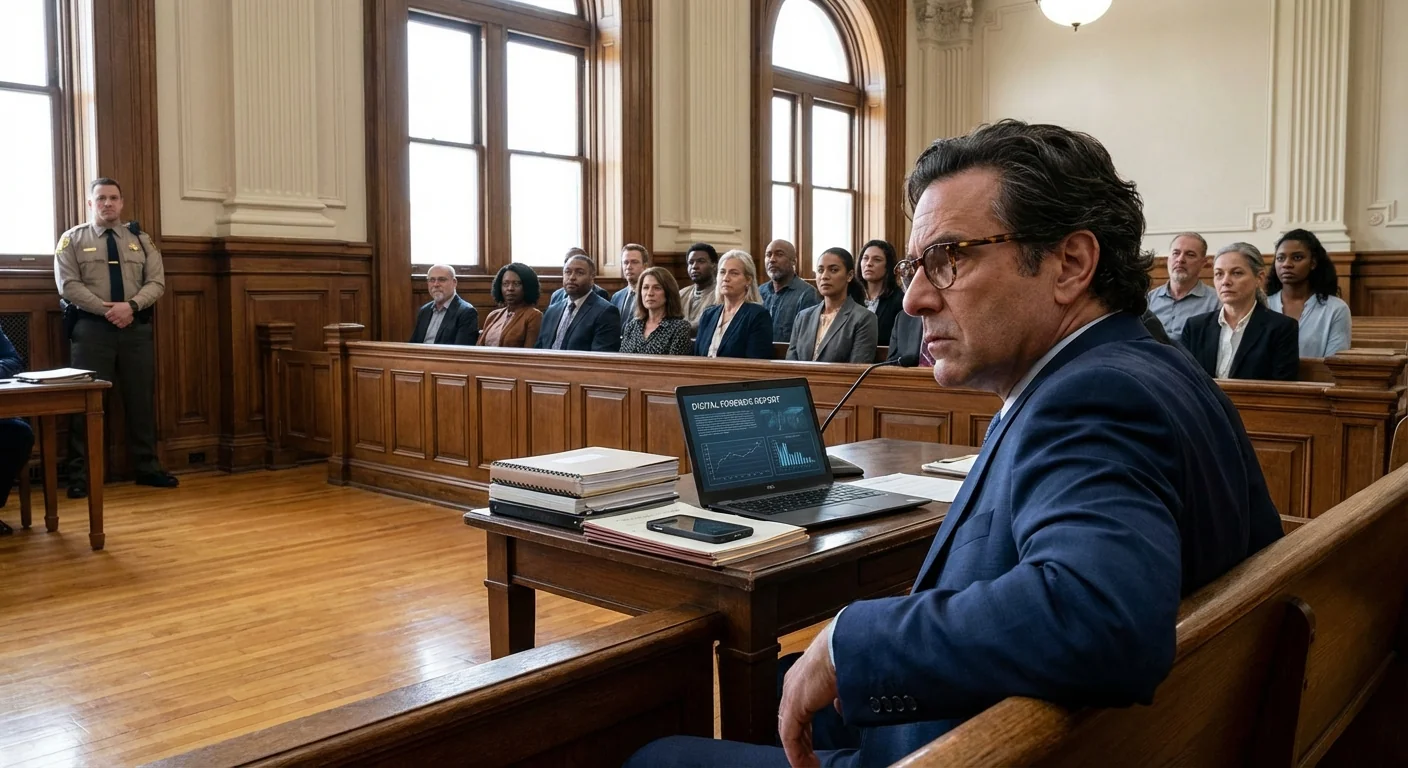
This trial puts digital footprints on full display. That includes search history, store purchases, and cameras from streets and stores. Police can get this information with a judge’s warrant or a valid court order. They must show probable cause. Courts in Massachusetts have warned against broad fishing requests. Warrants must be specific, like for a device, an account, a day, and a type of data.
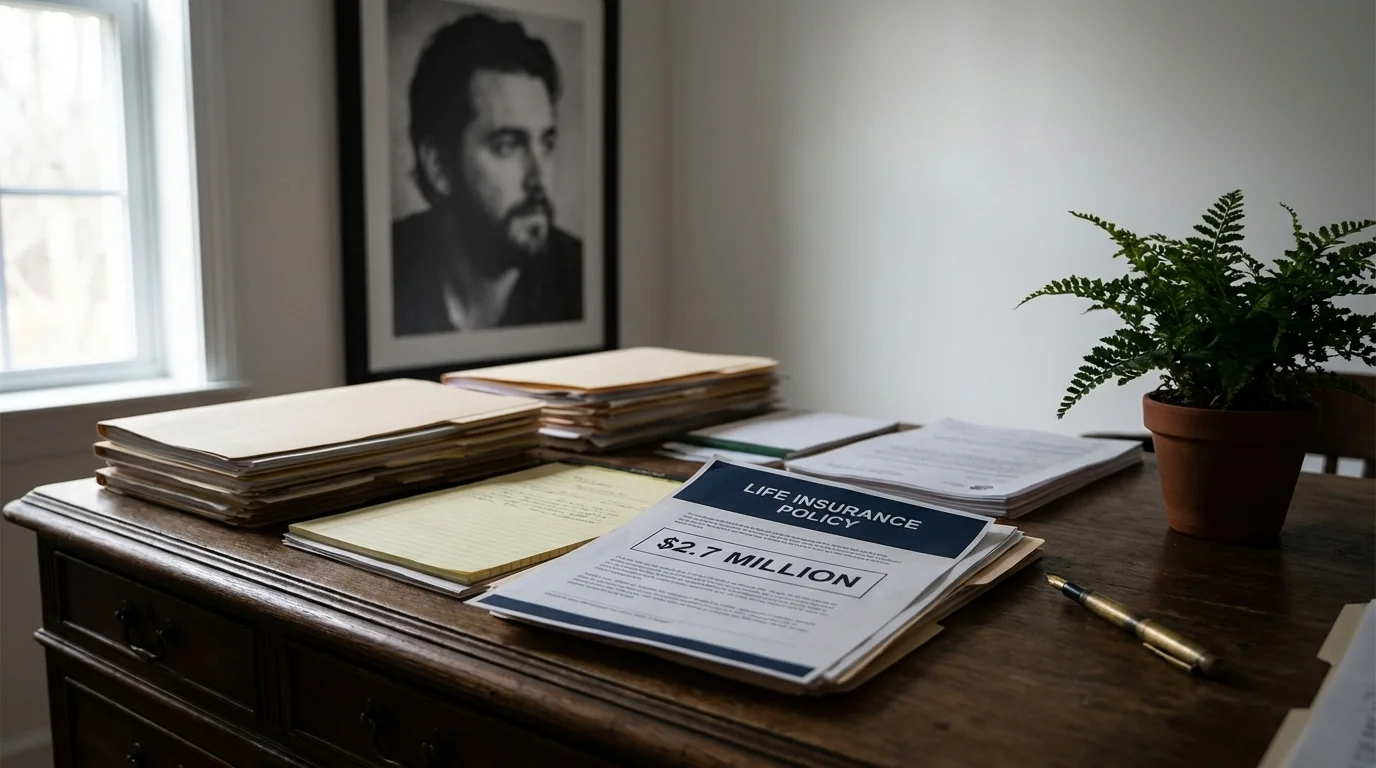
The state also pointed to a 2.7 million dollar life insurance policy that named Brian as the sole beneficiary. Motive is not an element of murder, but jurors often hear it to make sense of facts.
You have a right to refuse consent to search your phone. Ask if officers have a warrant. Ask for a lawyer before answering questions.
Key Evidence The Jury Heard
- Searches on January 1, 2023 about dismemberment and body disposal
- Store video of tools and cleaning supplies bought soon after
- A bloody knife in the basement, and DNA on a hatchet and hacksaw
- Trash bags traced to area dumpsters that matched those purchases
The defense claims Ana may have died from an unexpected cause. They say Walshe hid the death, fearing he would not be believed. They point to reasonable doubt about intent and timing.
No body cases can be proven, but they demand careful jury work. Digital clues can be powerful, and also easy to misread in isolation.
What Citizens Should Know
This case will shape how police and courts use digital life to prove serious crimes. Expect tighter rules on warrants, clearer limits on bulk data, and detailed jury instructions on how to weigh searches. Also expect renewed calls for transparency on how long companies keep your data, and how often police ask for it.
Your core rights remain the same:
- Presumption of innocence
- Right to remain silent
- Right to counsel
- Right to a jury that decides only on the evidence
What Comes Next
The state will keep calling forensic and tech witnesses. The defense will cross examine each one. The judge will rule on any suppression fights and on what the jury can hear. When both sides rest, jurors will decide if the state met its heavy burden without a body.
Conclusion: The Walshe trial is a stress test for modern evidence. It asks jurors to weigh digital trails against the highest standard of proof, and it asks our courts to balance public safety with the privacy rights that protect us all.