Indiana Redistricting Showdown: Senate Vote Today Could Rewrite All 9 U.S. House Seats
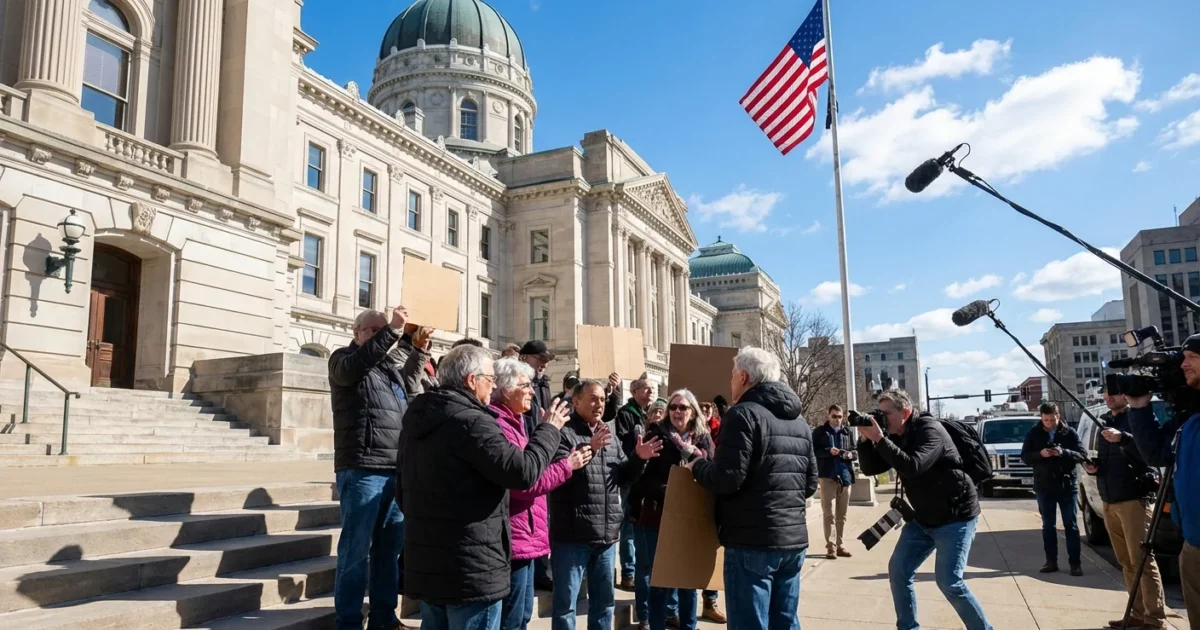
Indiana is on the brink today. The State Senate is hours from a vote on House Bill 1032, a mid decade redistricting plan that would reshape all nine of the state’s congressional districts. If it passes, Republicans could claim every seat. If it fails, the party will erupt in open revolt. I am tracking votes and pressure in real time from the Statehouse.
What HB 1032 Would Do
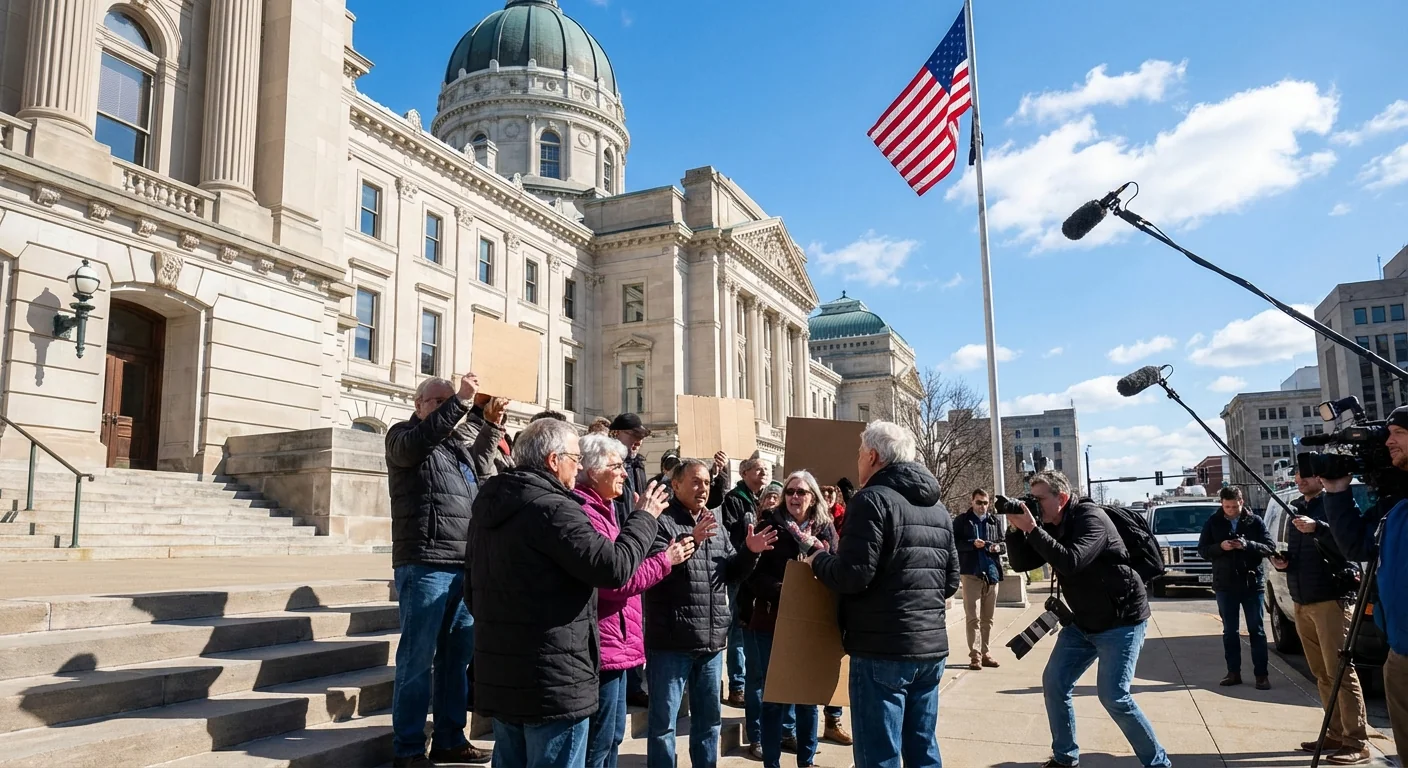
The House approved HB 1032 on December 5 by a 57 to 41 vote. The map would erase the state’s two Democratic held districts, the 1st in northwest Indiana and the 7th in Indianapolis. It would also slice Indianapolis into several GOP leaning pieces. That would likely end Representative André Carson’s district as we know it.
Supporters say the plan reflects the state’s overall vote. They argue it corrects past maps that gave Democrats two safe seats in a red state. Critics call this a partisan power grab. They warn it breaks local communities apart and weakens minority voting strength.
Local election officials are alarmed. They say changing lines so close to the 2026 primary would cost more than 1 million dollars, overload staff, and confuse voters. Voter files, polling places, and ballots would need a rush overhaul. That means real risk at the precinct level, from longer lines to wrong ballots.
Rushed map changes can shake voter confidence, and courts often weigh that risk. 🗳️
The Vote, The Pressure, The Stakes
The Senate decision is uncertain. Republican leader Rodric Bray has pushed back, and that has made votes fluid. If the chamber deadlocks, Lt. Gov. Micah Beckwith could break the tie. That is rare, and it would make the outcome even more explosive.
National pressure is intense. Former President Donald Trump, Vice President J.D. Vance, and House Speaker Mike Johnson have urged senators to pass the map. They have warned Republicans who resist that primaries await. Some senators have already faced threats and harassment. The push has hardened lines more than it has won minds.
For Hoosiers, this is more than an inside fight. It is a test of how far national power can force change on local rules and communities. It is also a test of whether Indiana will redraw seats mid decade without a new census, something the state can do, but rarely attempts.
Legal Fallout and Citizen Rights
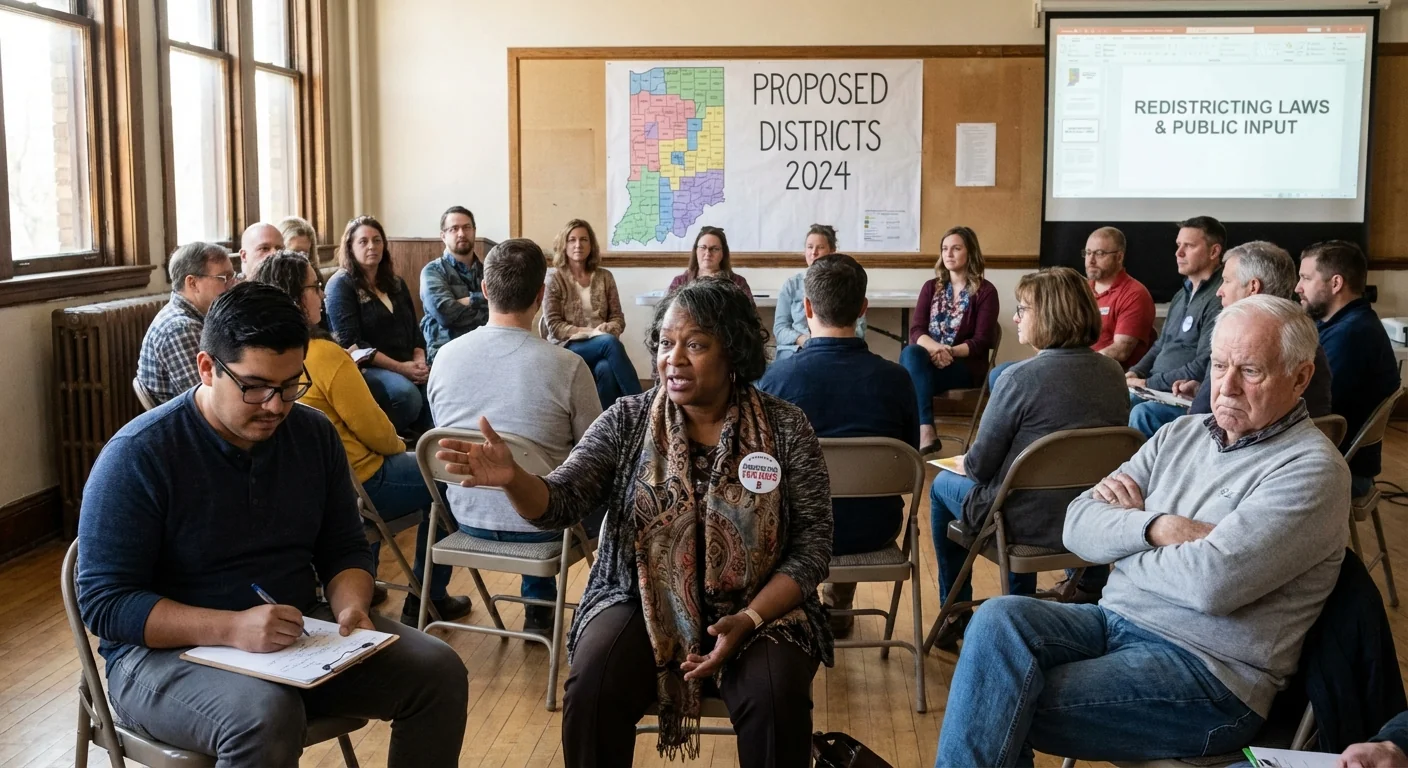
If HB 1032 passes, lawsuits will follow within days. Expect civil rights groups and local voters to file in federal court under Section 2 of the Voting Rights Act. They will argue the plan dilutes the voting power of Black and Latino communities, especially in Indianapolis and the current 1st District.
Claims under the U.S. Constitution are also likely. Plaintiffs can raise equal protection and racial gerrymandering arguments. Partisan gerrymandering, by itself, is not a claim in federal court. However, state law may offer a path. Indiana’s Constitution protects free and equal elections, and challengers could test that clause. Courts have been cautious with these claims, but the facts here are unusual.
Timing will be key. Courts often avoid late election changes, which is known as the Purcell principle. But that cuts both ways. If lawmakers move maps late, judges may view an injunction as the lesser risk. A court could freeze HB 1032, keep the current map for 2026, and set a fast trial schedule.
The core legal question is simple. Do these lines reduce minority voters’ ability to elect candidates of their choice?
For voters, rights remain the anchor. Hoosiers have the right to clear districts, equal weight for each vote, and meaningful access to the ballot. If the new map blurs those rights, courts can act.
Inside the GOP Rebellion
This fight has split Republicans. Many lawmakers want a quick win and total control of the House delegation. Others see a step too far. They argue that mid decade redistricting invites legal risk, wastes taxpayer money, and punishes local communities for a national goal.
Those concerns are not abstract. Election teams would have months to rebuild precinct maps, retrain workers, and reprint everything. County budgets are tight. Trust is fragile. Breaking a city like Indianapolis into four or more slices might win a seat on paper. It also breaks years of neighborhood ties in practice.
Voters should check their registration and polling place early next year. Do not wait until primary day. 🗺️
What Happens Next
- Senate votes today. A tie could go to the lieutenant governor.
- If it passes, lawsuits could seek a quick injunction.
- If it fails, expect primary challenges against GOP holdouts.
- Election offices will need guidance within weeks, either way.
Conclusion
Indiana is choosing between national muscle and local norms today. HB 1032 would deliver a clean sweep of House seats for Republicans, at the cost of legal risk, higher costs, and community lines that no longer make sense. The Senate’s vote will set the path. The courts, and the voters, will decide how far that path goes.