BREAKING: Rep. Ilhan Omar sprayed at Minneapolis town hall, suspect in custody
A man rushed the stage at Rep. Ilhan Omar’s Minneapolis town hall on January 27 and sprayed her with liquid from a syringe. Attendees tackled him within seconds. Omar stood her ground, took a breath, and kept going. “I’m a survivor. I don’t let bullies win,” she told the crowd. She spoke for about 25 minutes more.
[IMAGE_1]
What happened and why it matters
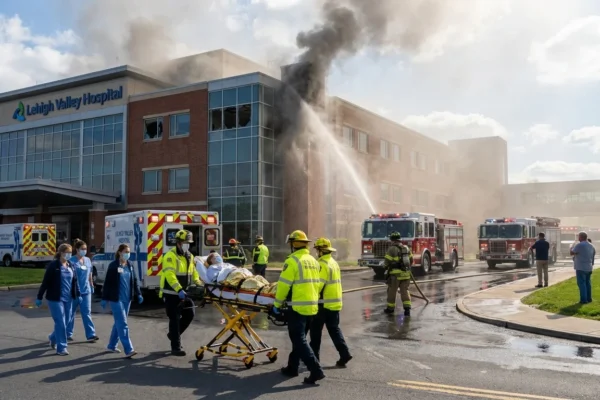
The suspect is 55-year-old Anthony James Kazmierczak. He was arrested at the scene on suspicion of third-degree assault. Witnesses reported a strong vinegar smell. A hazmat assessment later indicated the liquid was apple cider vinegar. No serious physical harm was reported.
U.S. Capitol Police are now coordinating with federal and local partners. They called the case serious and pointed to a sharp rise in threats against lawmakers. By their count, there were 14,938 threat cases in 2025, up from 9,474 in 2024. The number is not a talking point. It is a stark workload reality for the units that guard democratic life.
Unknown liquids, even common ones, trigger hazardous response protocols. First responders must assume worst case until tests clear the scene.
This was not a lethal attack. It was still an attack. It took place in a civic forum that depends on trust, open access, and a basic promise of safety. That is the point. When the room turns fearful, speech shrinks.
The legal path ahead
Police booked the suspect on a state assault count. That is a starting point, not the end. Prosecutors will decide final charges after reviewing evidence, videos, and lab reports.
Minnesota law allows several routes:
- Third-degree assault, as booked, if prosecutors proceed on the initial theory.
- Second-degree assault if a syringe is treated as a dangerous weapon.
- Disorderly conduct or terroristic threats if facts support those elements.
Federal law is also squarely in play. It is a federal crime to assault a Member of Congress. That statute gives the Justice Department jurisdiction, even if the event is local. U.S. Capitol Police involvement signals that possibility. Any federal case would examine intent, the nature of the device, and risk to the public.
Expect early hearings to set bail, impose a no-contact order, and restrict travel. Expect discovery to center on the syringe, the liquid, and the suspect’s motive.
The suspect is presumed innocent. Charges are allegations until proven in court.
[IMAGE_2]
Security gaps and policy fixes
Town halls are designed to be open. That is their strength. It is also the vulnerability. Many members rely on host venues and local police for screening, bag checks, and staffing. Some events have magnetometers. Many do not. Small changes help. Clear entry points, trained volunteers, and a uniformed presence can slow a rush and buy time.
Congress has expanded support for at-home security and event risk assessments since 2022. Even so, the threat roster keeps growing faster than the resources. Lawmakers and city leaders will now face hard choices. Do they add screening to community forums. Do they move events to controlled spaces. Do they limit walk-up attendance. Each step protects speakers, but it narrows public access.
The better path is layered. Stronger coordination with local police. Standardized screening for high-risk events. More trained staff in the room. Faster reporting lines to Capitol Police. And accountability for those who cross the line from speech to assault.
Rights, duties, and the civic line
Your rights did not change last night. You can attend, petition, protest, and speak. You cannot threaten, rush, or touch. That is the bright line. Crossing it is a crime, even if no one is injured.
If you attend civic events, practice three simple habits:
- Know the venue plan. Look for exits, staff, and first aid.
- Report threats early. Tell organizers about troubling behavior before it spikes.
- Respect protest rules, including time, place, and manner limits set by the host.
Carry your questions, not containers. Many events now limit bags and liquids. Check the posted rules before you go.
A heated backdrop and reckless noise
The attack landed in a tense moment for Minneapolis. The city is still on edge after recent fatal shootings tied to a federal immigration operation. Hours before the town hall, Omar renewed her call to abolish ICE. She also urged the Homeland Security Secretary to resign or face impeachment. The room was primed for a hard conversation. It did not need a syringe to raise the stakes.
Leaders across parties condemned the attack. That civic reflex matters. It draws a line, together, against political violence. Yet some voices blurred it. A former president suggested, without evidence, that Omar staged the incident. She called the claim baseless. Here is the legal read, not the pundit take. False claims about a crime scene undermine witnesses, slow prosecutions, and chill victims. They also feed copycats who crave attention more than outcomes.
The bottom line
Last night’s attack was nonlethal, but it was chilling. It targeted a core democratic act, the open meeting between a representative and the people. The law has tools to respond, both state and federal. Policy makers have tools to harden events without closing the doors. Citizens have rights worth using, and duties worth keeping. We will track the charging decisions, the court dates, and any new security protocols. The goal is simple. Keep speech free, keep officials safe, and keep the civic room open.