BREAKING: ICE Courtroom Outburst Triggers Swift Removal, Raises Hard Questions About Burnout and Standards
A government lawyer for U.S. Immigration and Customs Enforcement looked at a judge in open court and said, “This job sucks.” The remark landed with a thud. Within hours, the attorney was removed from the assignment. I have confirmed the removal with agency officials familiar with the decision.
The agency declined to release the lawyer’s name as of publication. I am withholding the identity pending official confirmation. The message from leadership is clear, courtroom decorum is not optional.
What Happened In Court
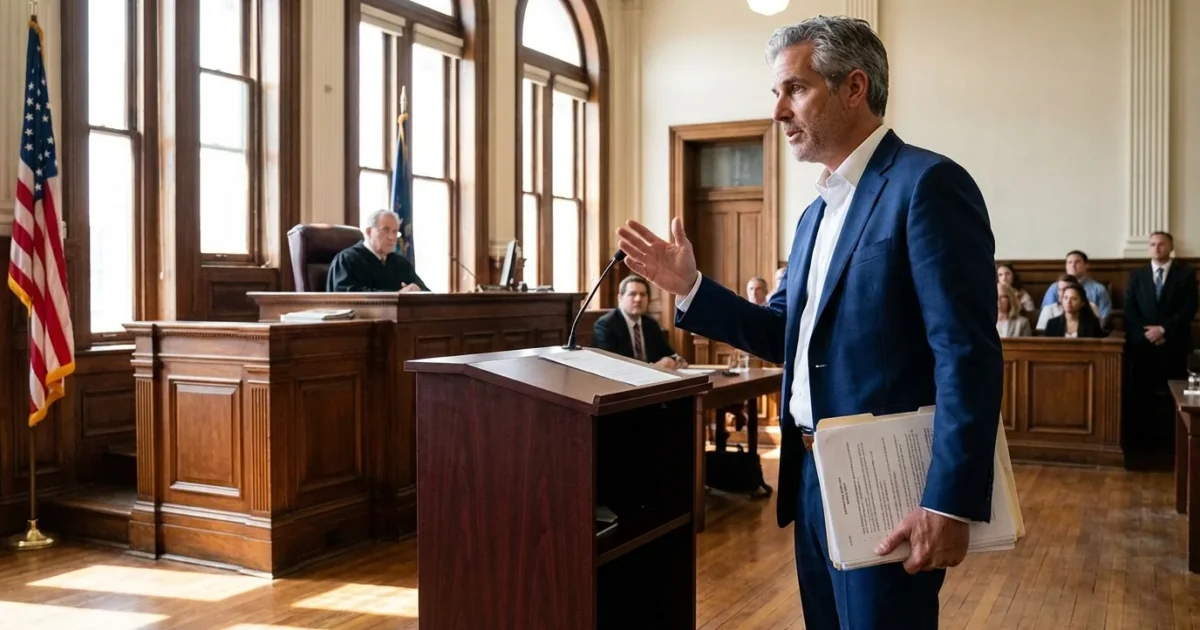
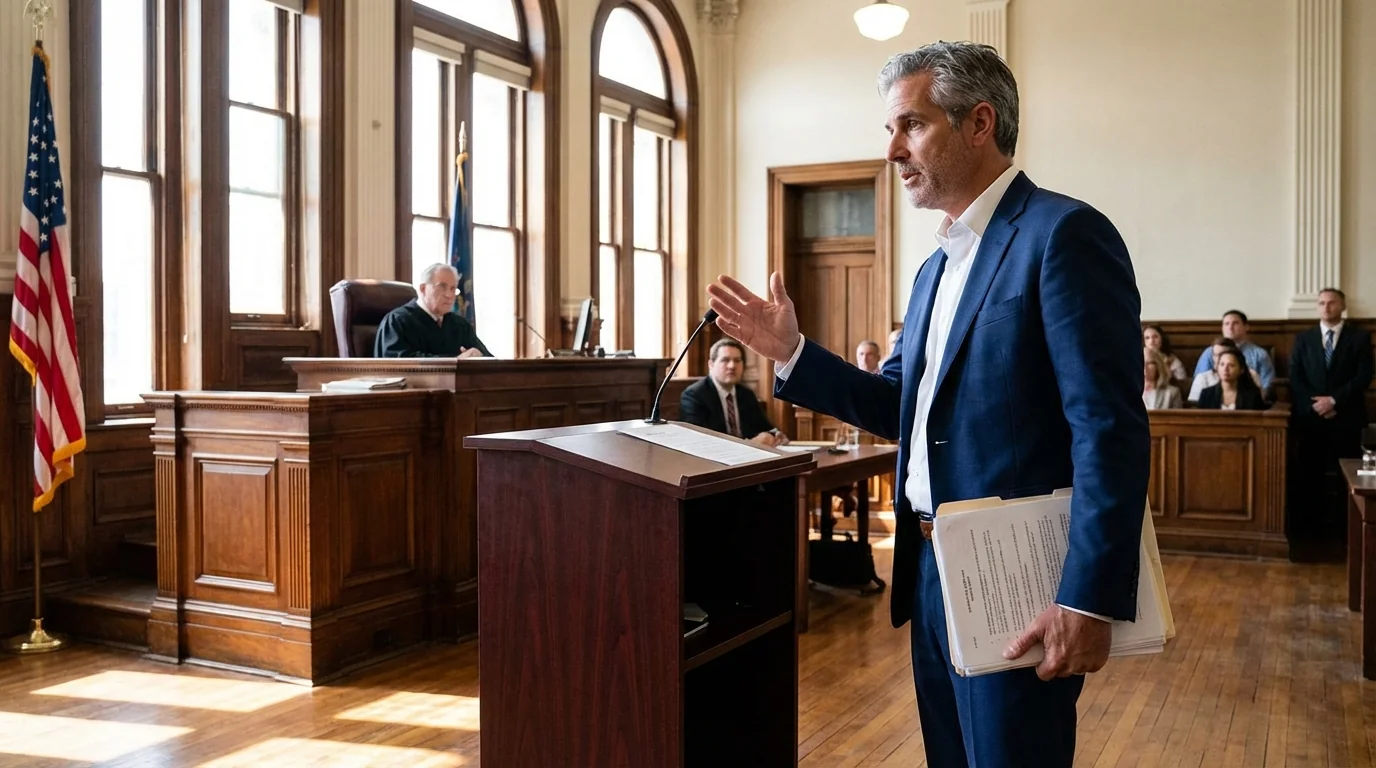
The exchange unfolded during a routine hearing before an immigration judge. ICE trial attorneys appear daily in these proceedings. They represent the Department of Homeland Security, and they are expected to maintain strict professionalism.
The judge paused. The courtroom fell quiet. That pause, and the line that caused it, now drives a hard reset inside a high pressure system.
Immigration judges can admonish lawyers and control their courtrooms. They can also refer misconduct for further review. They do not set policy for ICE lawyers, but their words carry weight.
I am told the attorney was pulled from the detail soon after the hearing. Managers opened a review. Training and additional supervision are on the table.
Government lawyers answer to the court, the agency, and the public. One lapse can trigger three layers of accountability.
Legal and Policy Stakes
There are real rules behind courtroom manners. Every lawyer must follow professional conduct standards set by state bars and by agency policy. Disrespecting the court can lead to reprimands, reassignment, or referral to a bar authority. In rare cases, it can affect a lawyer’s license.
For government counsel, the bar is even higher. ICE attorneys serve the public interest. Their job is to seek a lawful result, not just a win. When words cross a line, leaders move fast. That is what happened here.
Immigration judges sit within the Department of Justice. ICE attorneys work for DHS. When friction shows up on the record, both departments pay attention. Each has its own oversight paths, and each can take action.
Pressure, Burnout, and the Human Cost
Immigration court is one of the most demanding legal arenas in the country. Dockets are heavy. Hearings are emotional. The law changes often. ICE attorneys carry hundreds of cases, many with high stakes and tight timelines. Respondents face life changing outcomes. Everyone in the room feels the strain.
Most public lawyers manage that stress with care and discipline. Some days are harder than others. When stress breaks the surface, it can reveal a deeper problem, workload that suffocates judgment. This is not an excuse. It is context the system must confront.

If you work in this space, build margin into your day. Short breaks, peer check ins, and case triage can prevent a bad moment from becoming a bad record.
What Citizens And Respondents Should Know
Courtrooms belong to the public. Respect is not just custom, it protects fairness. If you are in immigration proceedings, you have important rights, even if you are not a U.S. citizen.
- You have the right to a lawyer at your own expense.
- You have the right to an interpreter if you need one.
- You have the right to a record of your hearing.
- You have the right to be treated with dignity and to raise concerns.
If you witness conduct that seems improper, note the date, time, judge, and case number. File a written complaint with the court administrator or the agency involved. Do not interrupt the judge. Protect the record first.
Do not confront a government lawyer in the hallway. Speak to your attorney or the court clerk. Keep your case safe.
What Happens Next
The immediate step, removal from the assignment, is already done. The next steps are straightforward. Supervisors will review the transcript, interview those present, and decide on training or discipline. A referral to a professional responsibility office is possible. A bar referral is rare, but available.
ICE leadership also faces a policy question. How to lower the temperature on impossible dockets without lowering standards. Options include more training on courtroom communication, better staffing, mental health resources, and smarter case screening with the Department of Justice. None of that replaces personal responsibility. It does make it easier to meet it.
The Bottom Line
Words in court matter. They shape trust, set tone, and teach the public how justice works. One blunt sentence exposed strain inside immigration enforcement, and the system answered with speed. That is good. The harder work begins now, holding the line on professionalism while fixing the pressure that bends it. The law demands both. So should we.