ICE Blocked at Ecuador’s Minneapolis Consulate, Setting Off a Test of Treaty Protections
Federal immigration agents tried to step inside Ecuador’s consulate in Minneapolis and could not get past the door. A consular employee refused entry. Ecuador responded with a formal protest to the United States. That simple door stop now raises big legal questions, and it carries real diplomatic weight.
What happened in Minneapolis
Late yesterday, ICE agents arrived at Ecuador’s consulate and sought entry. The employee at the front did what international law expects, and denied access without consent from the head of post. There was no emergency. There was no fire, no threat to life, and no invitation to enter. The agents left. Ecuador then sent a note of protest to Washington, citing treaty protections for its premises.
This is a bright line moment. A federal agency pushed on a door that the law says stays locked without approval. The consulate held the line.

The law, in plain terms
The Vienna Convention on Consular Relations controls here. The United States signed it, and it is binding. It says consular premises are inviolable. That word matters. Local or federal authorities may not enter without consent from the head of the consulate or a designee. The only narrow exception is urgent protective action during a crisis, like a fire.
The treaty also puts a duty on the United States to protect the consulate from intrusion. That includes stopping interference from anyone, public or private. The rule is clear, and it applies nationwide.
Under the Vienna Convention, law enforcement cannot enter a consulate without consent. Warrants do not replace consent.
Consulates are not the same as embassies, but this line still holds. Embassies have broader immunities. Consulates have targeted immunities. The building itself, however, is shielded.
What ICE can and cannot do
Immigration enforcement does not override a treaty. ICE may investigate crimes. It may execute warrants. It may detain a person on public streets. But a foreign consulate is off limits without permission.
- Cannot enter the consulate or search inside without consent
- Can monitor the exterior from public space
- Can approach and detain a person outside, if lawful grounds exist
- Must coordinate with the State Department for any contact with foreign missions
- Cannot use a judicial warrant as a key to enter the premises
This is not a loophole. It is a promise between countries. The United States expects the same protection for its consulates abroad.
Diplomatic fallout and next steps
Ecuador’s protest signals that the incident crossed a line. The State Department now faces two urgent tasks. It must reassure Ecuador that U.S. agencies understand the treaty. It must also review why agents tried to enter and whether policy guidance failed.
Expect a formal response from State, and internal guidance across federal law enforcement. That guidance will likely restate the consent rule, the emergency exception, and the need to call State’s Office of Foreign Missions before any approach to consular property.
There are legal risks too. Entering without consent could violate federal laws that protect foreign mission facilities. It could also trigger evidence problems and civil liability. Even attempted entry can damage trust, which makes cooperation on visas, repatriation, and law enforcement harder.
Treaty breaches invite reciprocal action. What happens in Minneapolis can echo at U.S. consulates overseas.
What citizens should know
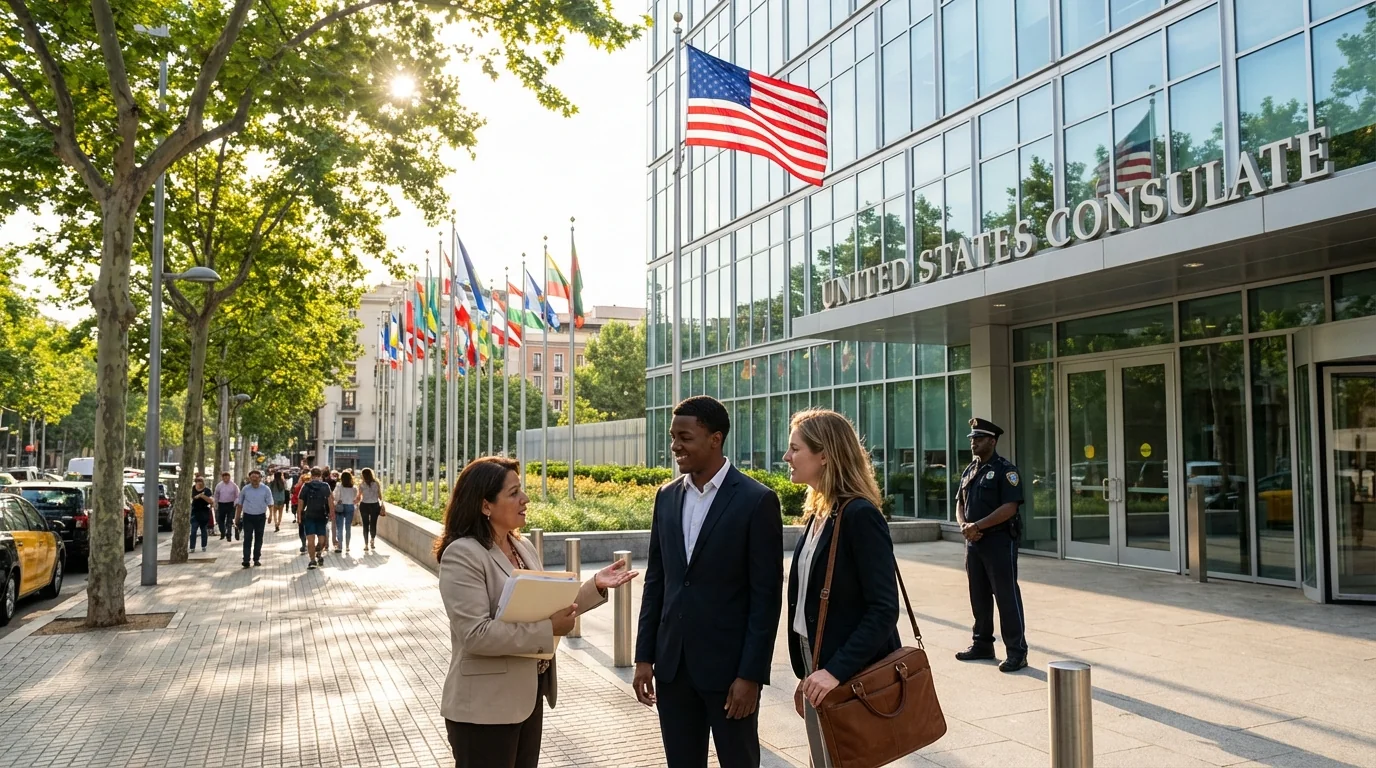
Consulates serve people from their home country, and they also help in emergencies. They are not shelters from U.S. law, but they are protected spaces.
If you are visiting a consulate, know these basics. Law enforcement cannot come inside without consent. Officers can wait outside. They can speak with you when you leave. You still have rights during any encounter. You can ask if you are free to go. You can remain silent. You can ask for a lawyer. Carrying ID is smart, and some states require you to identify yourself to police in specific situations.
If you work at or visit a foreign mission, contact the State Department if an enforcement agency requests entry. Do not rely on verbal promises. Ask for written requests. Document any interaction.
If approached by law enforcement near a consulate, stay calm, ask if you are free to leave, and request a lawyer before answering questions.
The bottom line
A door in Minneapolis just tested a cornerstone of international law. The consulate said no. The treaty says that no must be respected. ICE now has to match its tactics to the law, not the other way around. The State Department must steady the relationship with Ecuador fast. The rule is simple. Consent comes first, or the door stays shut. ⚖️