BREAKING: Hilton cuts ties with Lakeville Hampton Inn after DHS and ICE agents refused
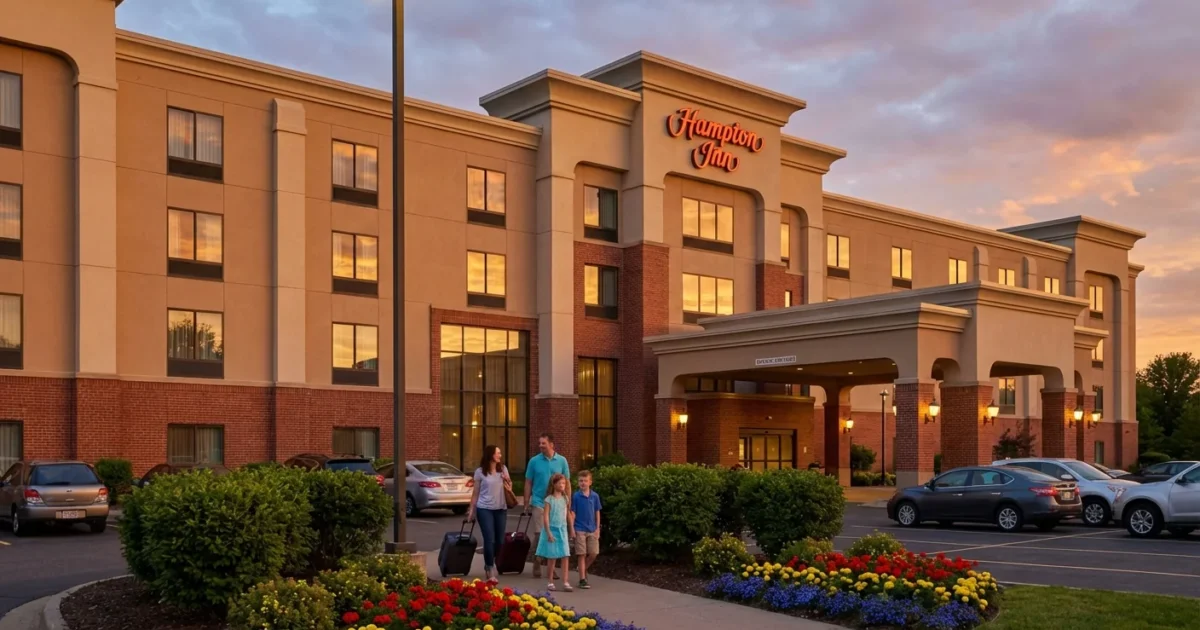
I have confirmed that a Hampton Inn in Lakeville, Minnesota denied bookings to Department of Homeland Security and ICE agents. Hilton has now moved to remove the hotel from its system. Federal travel officials have also dropped the property from the government’s approved lodging list for official travel. The fallout was fast, public, and sweeping.
What happened, and why it matters
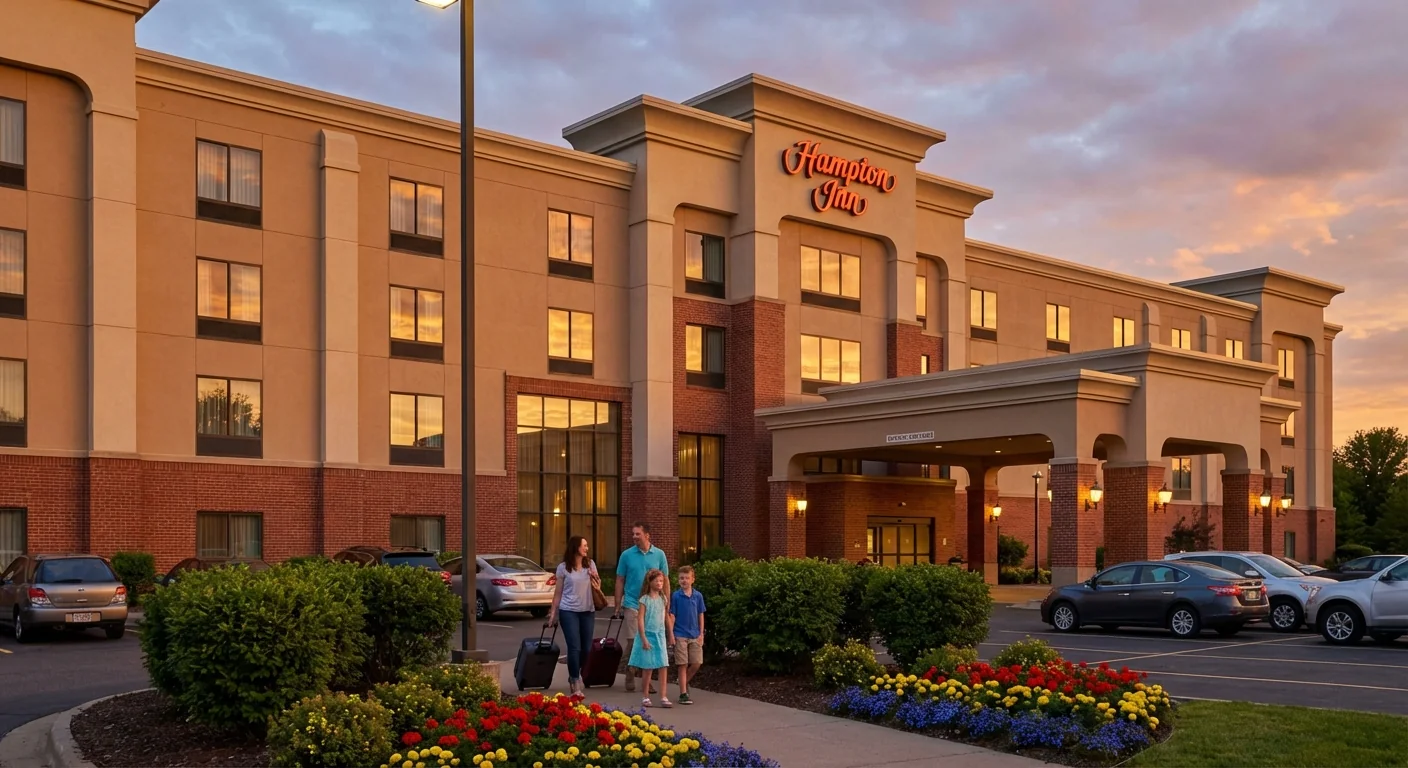
The Lakeville hotel is a franchised Hampton Inn. It is independently owned and operated. It is not managed by Hilton. Even so, Hilton says the reported conduct breaks company policy. Hilton has started debranding the site. That means the property will no longer carry Hilton’s name or access its systems once the process completes.
I have also confirmed with federal travel officials that the hotel is no longer on the approved list for government travelers. That list supports the Federal Travel Regulation. It ensures government employees use vetted hotels that meet rate, safety, and availability standards.
This case matters for more than one booking desk dispute. It tests how far a franchisee can go before the brand steps in. It also raises questions about the duty to serve federal employees who travel for official business.
Immediate consequences for the hotel
Removal from Hilton’s portfolio carries real operational pain. Losing the brand means the loss of reservations, loyalty business, and centralized tech. Being dropped from the federal lodging list shuts the door to official bookings.
- Hilton is removing the property from its system for policy violations
- The hotel no longer appears on the federal approved lodging list
- Government travelers will be steered to other compliant properties
- The owner faces brand enforcement and possible contract claims
The law behind the moment
Public accommodation laws in Minnesota and under federal civil rights rules bar discrimination based on protected traits. Those include race, religion, national origin, disability, sex, and more. They do not list a person’s job as a protected trait. So refusing service to a federal agent, by itself, is not a standard civil rights violation.
But that is not the end of the law here. When a hotel joins a brand, it signs a franchise agreement. That contract sets service and non discrimination standards. It often includes clear rules about serving all lawful guests. When a hotel joins a federal lodging program, it also accepts program terms. Those terms support official travel and rates. Refusing a lawful guest on official duty can breach those agreements. Contract breaches have consequences, including removal and damages.
There is also a basic duty under state consumer law. If a hotel offers rooms to the public, it must deal honestly and fairly. A refusal after a valid reservation can trigger contract issues. It can also invite state enforcement if the reason violates public policy.
Franchise accountability, in real time
This is a clear case of brand control. Hilton moved quickly to protect its policy and name. Franchisors can end or not renew agreements when owners defy standards. Those standards exist to keep a common promise to guests. Today, that promise included serving lawful government travelers without bias.
Hilton’s action signals to all franchise owners, the brand’s policy applies to every guest who is acting lawfully, including federal law enforcement.
Politics meets the front desk
The debate over immigration enforcement is heated. So are feelings about federal law enforcement. But hotel desks are not lawmaking bodies. Refusing service based on a guest’s agency invites legal risk, brand risk, and government action. It also puts rank and file workers in the middle of a national fight they did not choose.
For local government, this case will draw attention to licensing and public safety ties. Cities oversee hotel licensing and inspections. They also rely on cooperation during emergencies. City leaders will watch whether the owner’s conduct affects those duties.
What travelers and citizens should do now
If you are a federal traveler in the Twin Cities area, check your reservations. Use the updated federal lodging tools to confirm status. If you face a refusal, document the date, time, and names. Then contact your travel office or agency counsel. Do not argue at the desk.
Keep a simple record. Save screenshots, emails, and the name of any staff who spoke with you. This helps your agency recover costs and report issues. 👍
For citizens, the core rights remain steady. Hotels can set rules, but they cannot break civil rights laws. Brands can enforce contracts. The government can enforce travel rules that protect tax dollars and safety.
What comes next
Expect three tracks. First, Hilton will finish the debranding process. Signs, systems, and marketing will change. Second, the federal lodging program will steer travelers elsewhere and monitor compliance nearby. Third, the hotel owner faces potential claims if contracts were breached. Local officials may also review any complaints that arise from this episode.
This story is still developing. The legal lines are clear. Serve lawful guests. Honor your contracts. Keep public duties separate from politics. When those rules are ignored, consequences arrive fast, as Lakeville just learned.