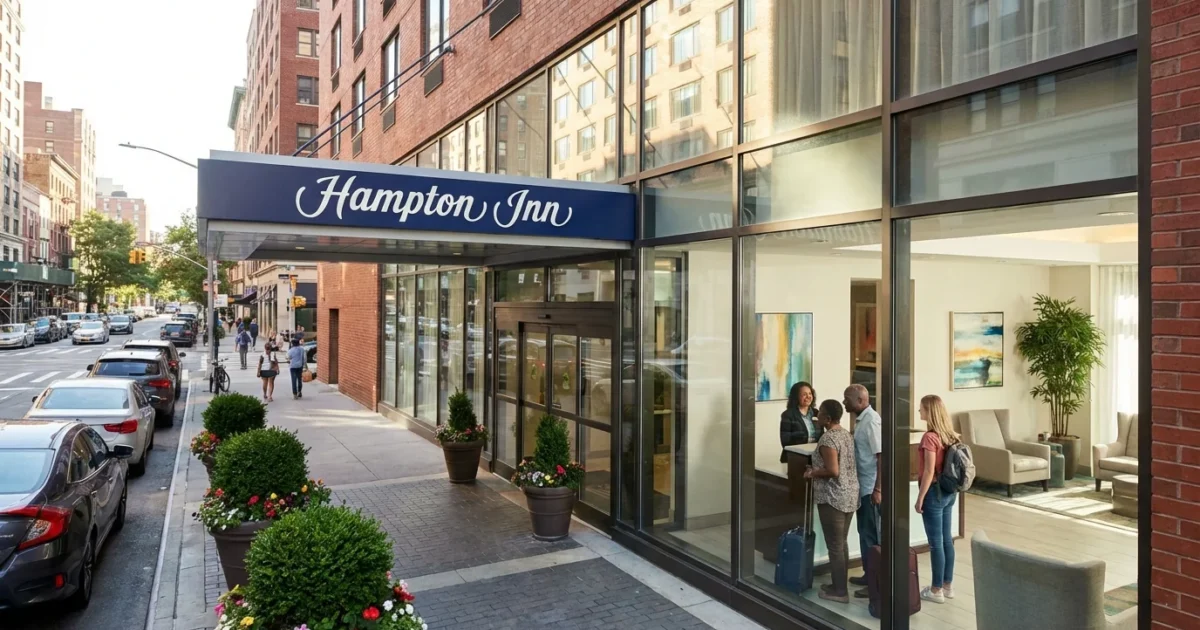
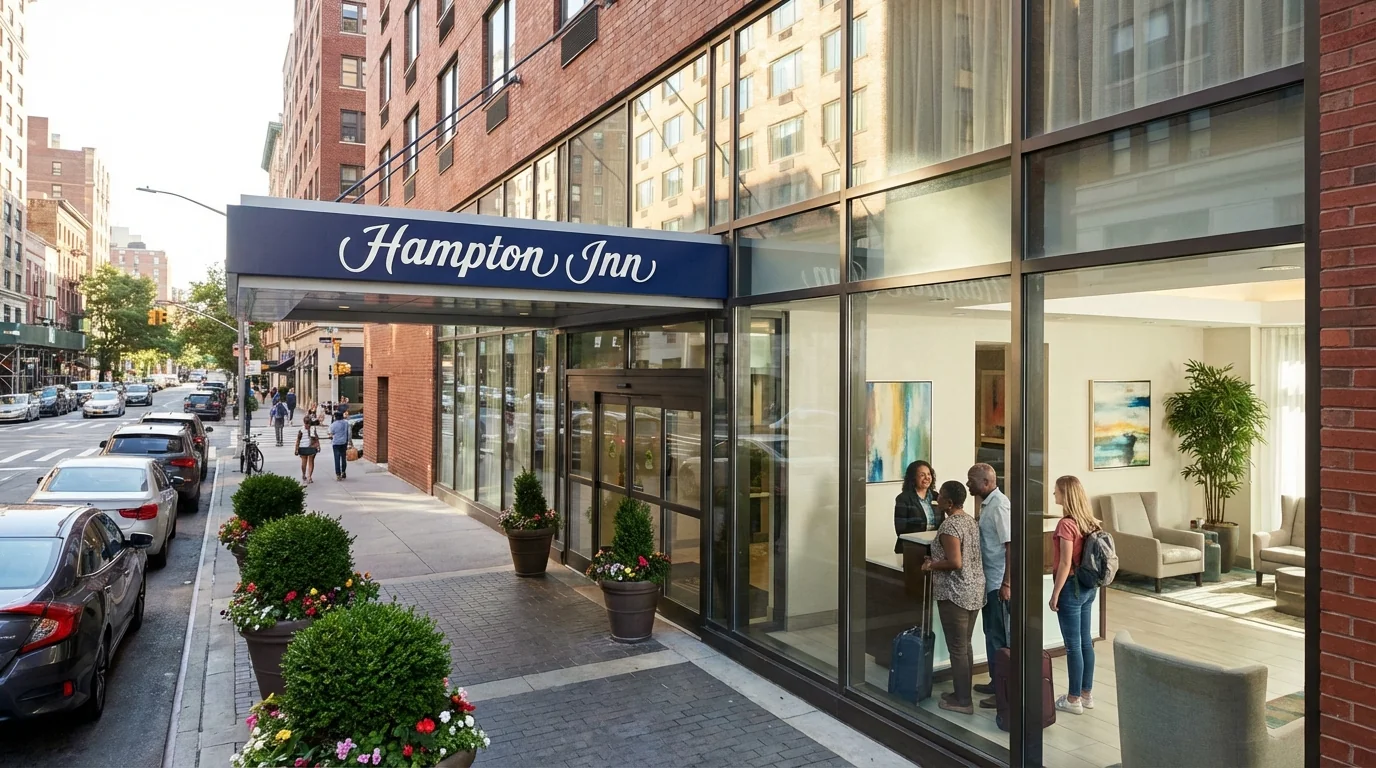
Hampton Inn is suddenly at the center of a fast moving legal storm. A Hilton affiliated hotel in Minneapolis allegedly canceled paid reservations for federal immigration agents. Within hours, Hilton cut ties with the property. The federal government pulled the hotel from its approved lodging list. The fallout is already reshaping policy and contracts tied to the Hampton Inn brand. ⚖️
What happened, and why it matters
I can confirm that a Minneapolis area hotel operating under a Hilton flag canceled confirmed bookings for U.S. Immigration and Customs Enforcement personnel. DHS called the action malicious. The federal travel system then de listed the property from the approved lodging list used by federal employees. Hilton, which owns the Hampton Inn brand, has now ended its affiliation with the hotel.
This is more than a customer service failure. This is a collision of franchise control, brand standards, and federal procurement rules. It touches civil rights principles in public accommodations. It also tests how private businesses engage with law enforcement on official duty.
The legal stakes for Hampton Inn and franchise owners
Hotels that serve the public operate under public accommodation laws. Those laws do not allow discrimination against customers based on protected traits like race or religion. Political disagreement is not a lawful reason to deny service if the denial targets a protected group. Denying service to government agents as a class is not a protected category on its own. Yet it can still breach contracts and trigger federal penalties.
Federal travel programs add another layer. Properties in the government lodging system agree to take reservations from official travelers. They agree to honor rates and basic safety rules. Refusing to house a federal officer on duty can violate those agreements. It risks removal from government programs. That is exactly what happened here.
There is also brand law at play. Hampton Inn runs on a franchise model. Local owners operate the property. The franchise agreement sets standards for service and compliance with law. If a franchisee acts in a way that harms the brand or breaks policy, the parent company can terminate the flag. Hilton used that tool. It protects the brand and its federal relationships.
Refusing official federal travelers can trigger removal from government lodging programs, contract penalties, and brand termination.
Policy consequences for government travel
Federal employees rely on approved lists like FedRooms for per diem rates and safety. When a hotel is removed, it affects government operations in that city. It can strain local capacity during peak events. Agencies may need to redirect travel budgets. It can also prompt policy updates, such as stricter vetting of franchisees and new compliance checks.
This episode will likely prompt GSA, DHS, and large hotel chains to tighten language in agreements. Expect clearer clauses that require acceptance of official reservations from lawful federal agencies. Expect faster reporting when a property refuses government guests. Expect audits to confirm training and compliance.
Citizen rights and business limits
Customers have the right to equal access to goods and services, free from discrimination based on protected traits. Workers also have the right to a safe workplace. Businesses have the right to set reasonable policies, for example rules on payment, behavior, or safety. But they cannot create policies that conflict with civil rights law or contractual promises.
Turning away a guest because of their lawful government employer collides with those promises. It may not be a civil rights violation on its face. Yet it can still be a breach of contract, an unfair practice, or a violation of the terms for doing business with the government. It can also trigger local licensing scrutiny and brand discipline.
Federal travelers should double check a hotel’s approved status on the official lodging portal before booking.
Franchise control and brand governance
Hampton Inn is a familiar name. But the brand is only as strong as each property. Franchise agreements typically require non discrimination, compliance with law, and adherence to brand standards. They also include swift remedies if a property puts the brand at risk. That can include immediate de flagging and removal from marketing systems.
Corporate response time matters. Quick action shows regulators that the brand enforces its standards. It reassures government partners that official travelers will be served without bias. It also signals to other franchisees that personal politics cannot drive business decisions that affect federal obligations. 🙂
What to watch next
- Whether federal agencies seek damages for canceled bookings
- Any state or city review of public accommodation rules
- Brand wide training or audits announced by Hilton for franchisees
- Updates to GSA or DHS travel program requirements
The bottom line
This is a sharp lesson in the law of public accommodations, the rules of federal procurement, and the realities of franchise control. A single hotel’s decision forced immediate corporate and government action. For Hampton Inn and its owner network, the message is clear. If you fly the flag, you must honor the standards, the contracts, and the law.