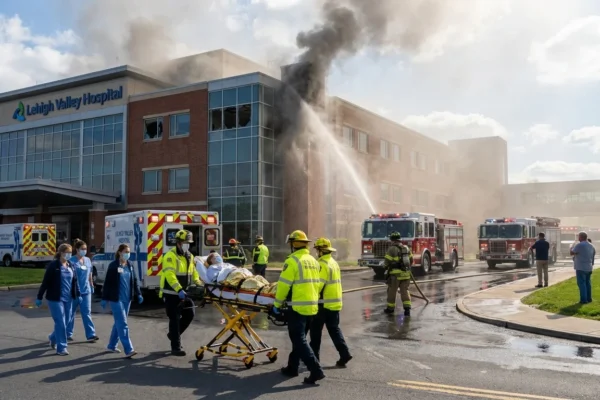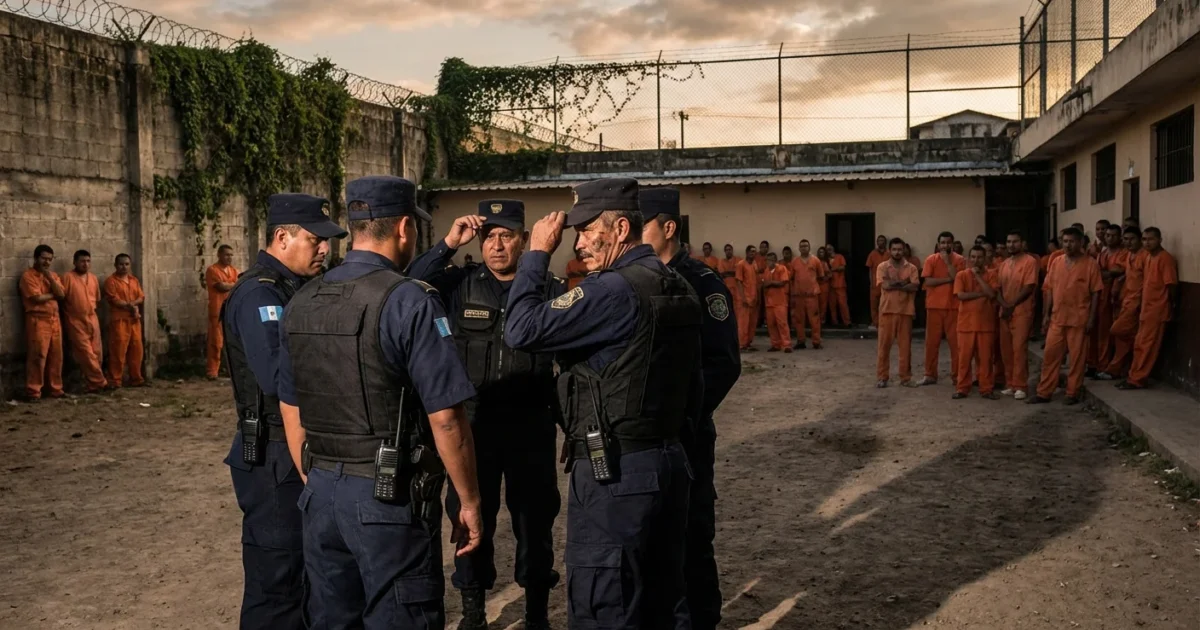
Guatemala is on edge tonight. I have confirmed that inmates in three prisons are holding dozens of guards as hostages. In the streets, gunmen struck police patrols after the government squeezed prison gangs. At least seven police officers are dead. Classes are suspended in several areas. The country is bracing for a hard and fast response.
What is happening now
This wave started after authorities tightened prison controls. Officials cut illicit communications and moved suspected gang leaders. In reply, armed cells hit police targets and tried to spread fear. The timing and style point to Barrio 18 and MS 13 networks. The aim is clear, force the state to back off.
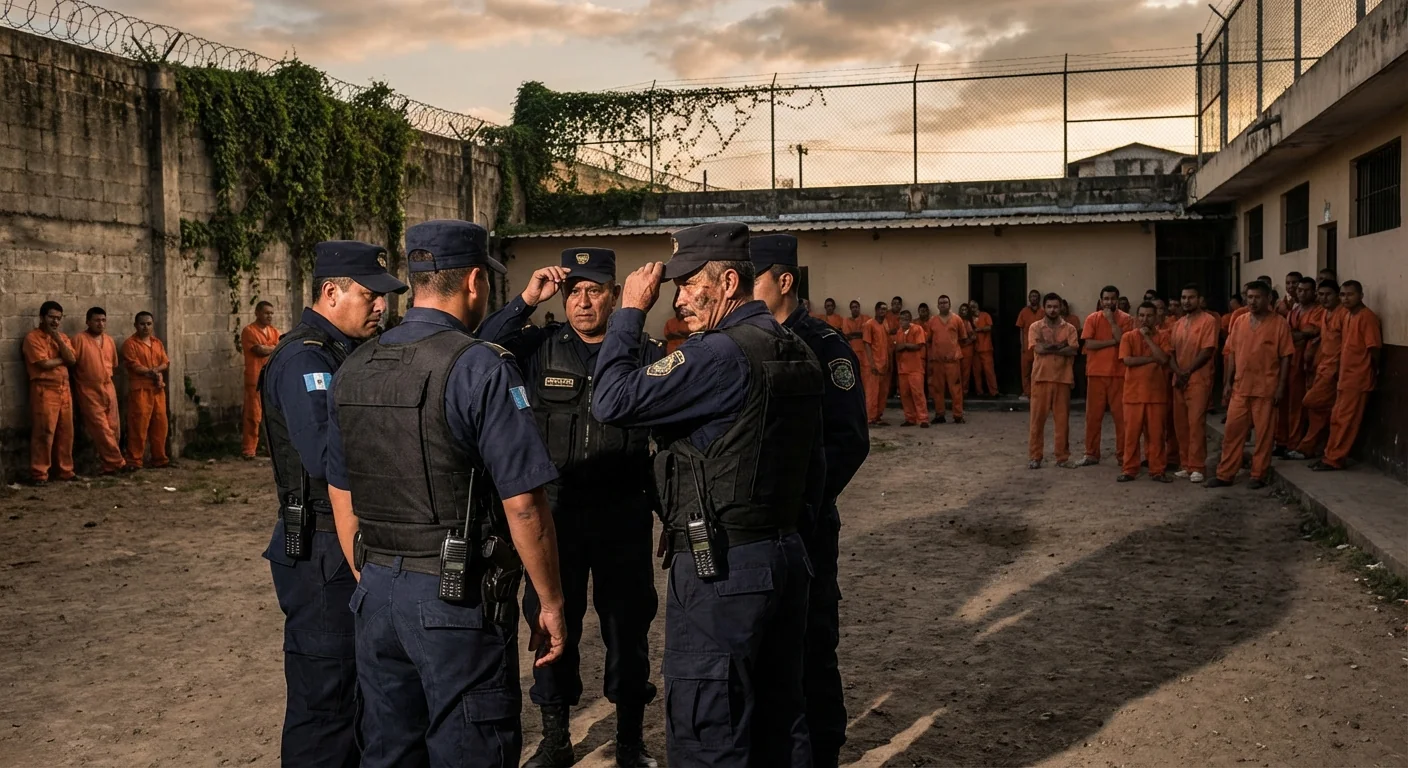
Inside the prisons, tensions are high. Negotiators are working to free the guards alive. Commanders are weighing tactical options. Any misstep could spark wider bloodshed, inside and outside the walls. Families of staff and inmates are waiting for news.
Government moves and legal footing
Security leaders tell me they have escalated operations under Guatemala’s public order laws. The president can declare a state of prevention or a state of siege in hotspots. That allows curfews, road checkpoints, and limits on gatherings. Congress must be notified and can review these steps. Courts also keep watch on rights during any emergency.
The prison service is using its legal powers to search cells, seize phones, and isolate gang command. Signal jamming inside facilities is being expanded. Transfers to high security units are underway. Police and soldiers are guarding schools, hospitals, and transport hubs. The goal is simple, break command and protect civilians.
Emergency powers are time bound and must be necessary, proportional, and subject to oversight.
These moves will test the system. The state must act fast, but it must also act within the law. Every arrest, search, or use of force will face review. That is how the rule of law survives a storm like this.
Citizen rights and duties
Your rights do not disappear in a crisis. They bend in some areas, but they do not break. You keep the right to life and to be free from torture. You keep due process, including access to a lawyer. If schools close, the state must explain and provide alternatives as soon as it is safe.
Police may stop vehicles and people in affected zones. They may ask for ID and search for weapons. They must state the legal basis and record the action. The Human Rights Ombudsman, known as the PDH, is monitoring police and prison conduct. Judges remain on duty for urgent appeals.
- Ask the officer for name, unit, and reason for the stop
- Show ID if required, stay calm, and do not resist
- Request a lawyer if detained, do not sign unclear papers
- Document what you can, then file a complaint with PDH or the prosecutor
Save copies of stops or searches on your phone, including badge numbers and locations. Back them up later. 📱
The security calculus
This is a hard problem. Pressure inside prisons can weaken gang control. It can also trigger fast and deadly blowback. The state has to balance force and law. It cannot let gangs run prisons. It also cannot feed the gangs’ story of abuse.
Three steps can reduce the risk of escalation. First, isolate top gang leaders, and verify it with independent monitors. Second, keep talks focused on the safe release of hostages, with clear red lines. Third, protect schools and clinics, so daily life resumes quickly and safely. Each move should be measured and documented.
Collective punishment, broad sweeps without cause, or abusive searches will backfire, fuel recruitment, and weaken cases in court.
Prosecutors need clean evidence. Defense lawyers need access to clients. Judges need time to review. If each part works, convictions stand, and trust holds. If not, cases collapse, and violence grows.
What comes next
Tonight, the cabinet is meeting with security chiefs. I am told briefings to Congress are planned within hours. Expect targeted curfews where attacks occurred. Expect more checkpoints on key roads. Expect a phase by phase reopening of schools once perimeters are secure.
The hostages are the first priority. Safe recovery will shape what follows. If talks stall, tactical units may move. If guards come out alive, space opens for calm. Either way, oversight bodies must be present. Cameras must record. Reports must be public.
Citizens should follow official alerts, not rumors. Keep travel simple, and avoid known hot zones. Support teachers and students as classes restart. Hold leaders to the law, even when fear is high. That is how Guatemala restores control without losing its compass. ⚖️
The state is moving. The gangs are testing it. The next 48 hours will define this fight.