Breaking: Trump ties new tariffs to Greenland, igniting a U.S. Europe showdown
I can confirm the White House has moved today to link a new round of U.S. tariffs to cooperation over Greenland. The order ties tariff relief to access for U.S. interests in minerals, logistics, and Arctic transit. That linkage drags Greenland to the center of a transatlantic fight. It also raises hard questions in trade law, alliance policy, and citizen rights. ⚖️
What the order does, and why it matters
Senior officials briefed me that the tariffs target select European industrial goods and green tech components. Relief would be considered if European partners support U.S. priorities in Greenland. This is more than a trade gambit. It blends defense, resources, and Arctic policy with customs law.
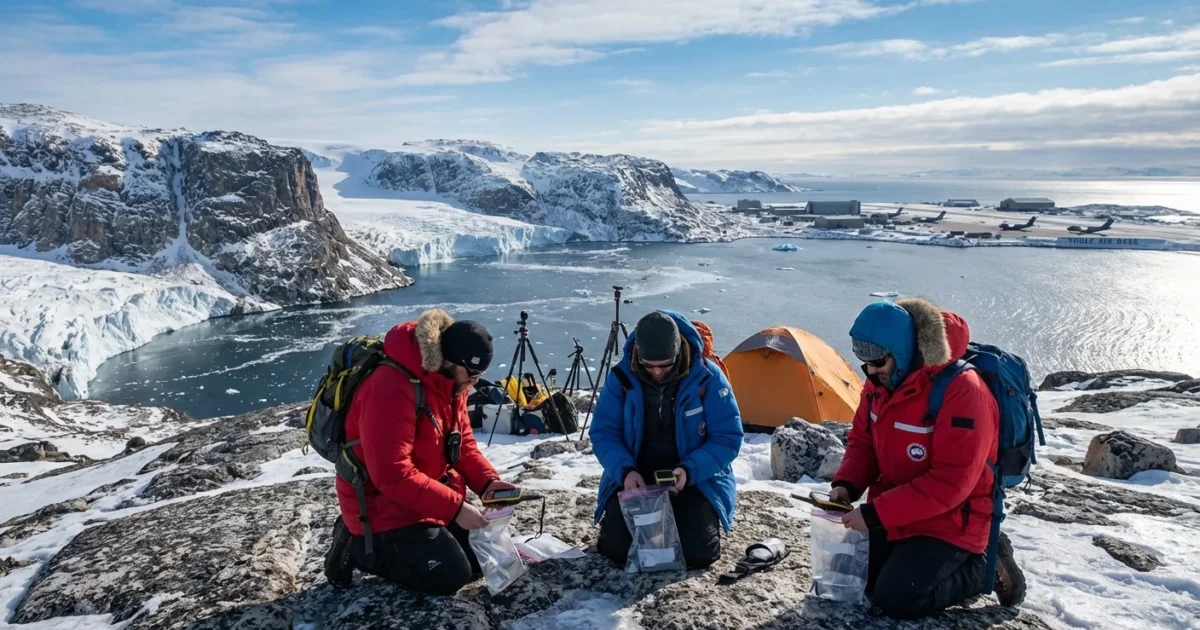
Greenland is an autonomous territory within the Kingdom of Denmark. It sits outside the European Union. The United States runs the Thule Air Base there, and has for decades. The island holds rare earths and key minerals, and sits along emerging Arctic routes. That is why the stakes are so high, and so immediate.
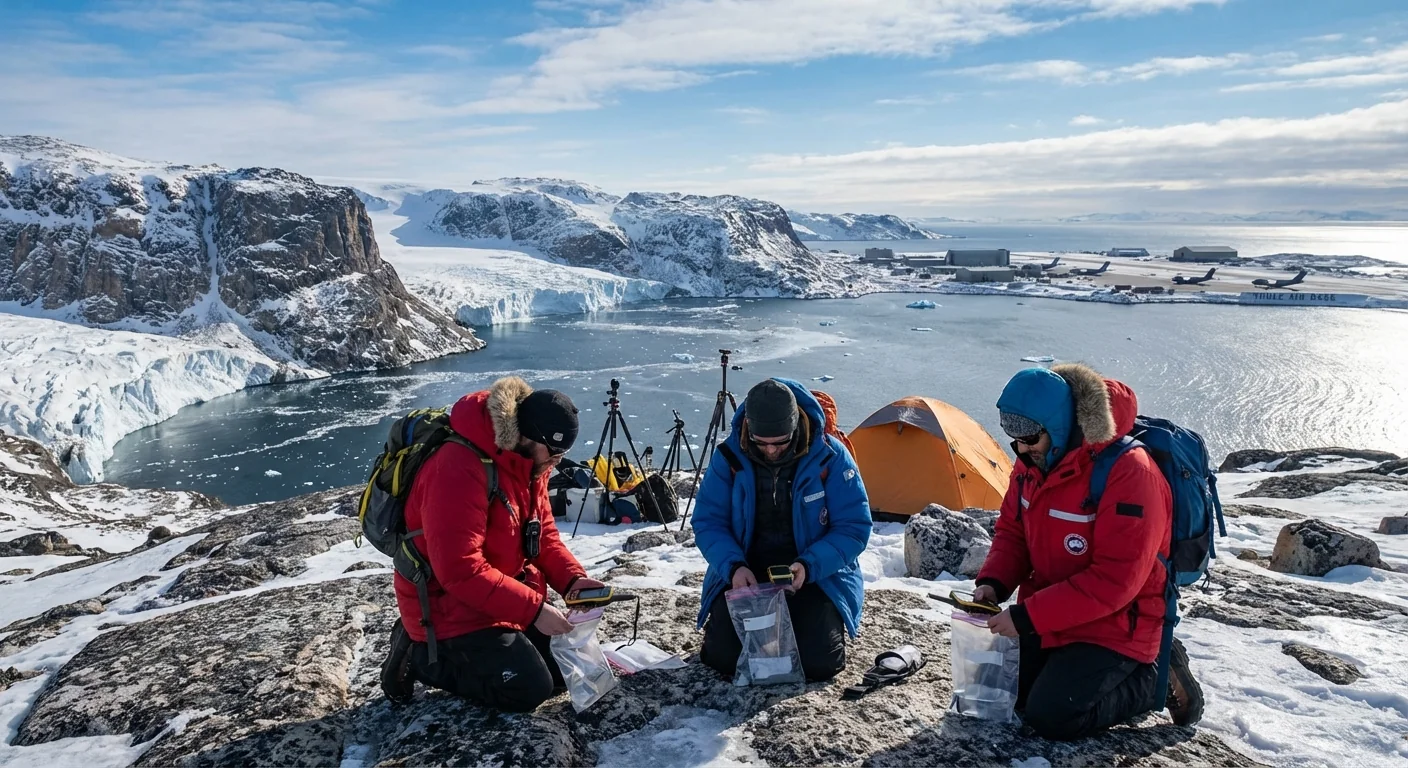
Greenland controls its mineral resources under its Self Government Act. It is not an EU member, and it is not U.S. soil.
The legal ground under the tariffs
The administration is invoking national security and trade enforcement powers. That likely rests on statutes the White House has used before, including Section 232 on national security and Section 301 on unfair trade. Attaching tariff relief to non tariff concessions about Greenland will draw legal fire.
Expect three tracks at once. First, U.S. importers can sue in the U.S. Court of International Trade. They can argue the action is arbitrary, or outside the statute. Second, the European Union can file a case at the World Trade Organization. It can claim the tariffs are disguised restrictions on trade. Third, the EU can use its anti coercion law to respond without waiting for the WTO.
None of these routes is quick. But they create pressure, and they open paths for targeted relief while cases move.
Greenland’s status and the rights at play
Here is the civics heart of the dispute. Greenland is self ruled in most areas, including mining. Denmark handles foreign affairs and defense, in close coordination with Nuuk. Any deal that touches mineral licenses or local infrastructure needs Greenland’s consent. It also needs environmental review and community consultation.
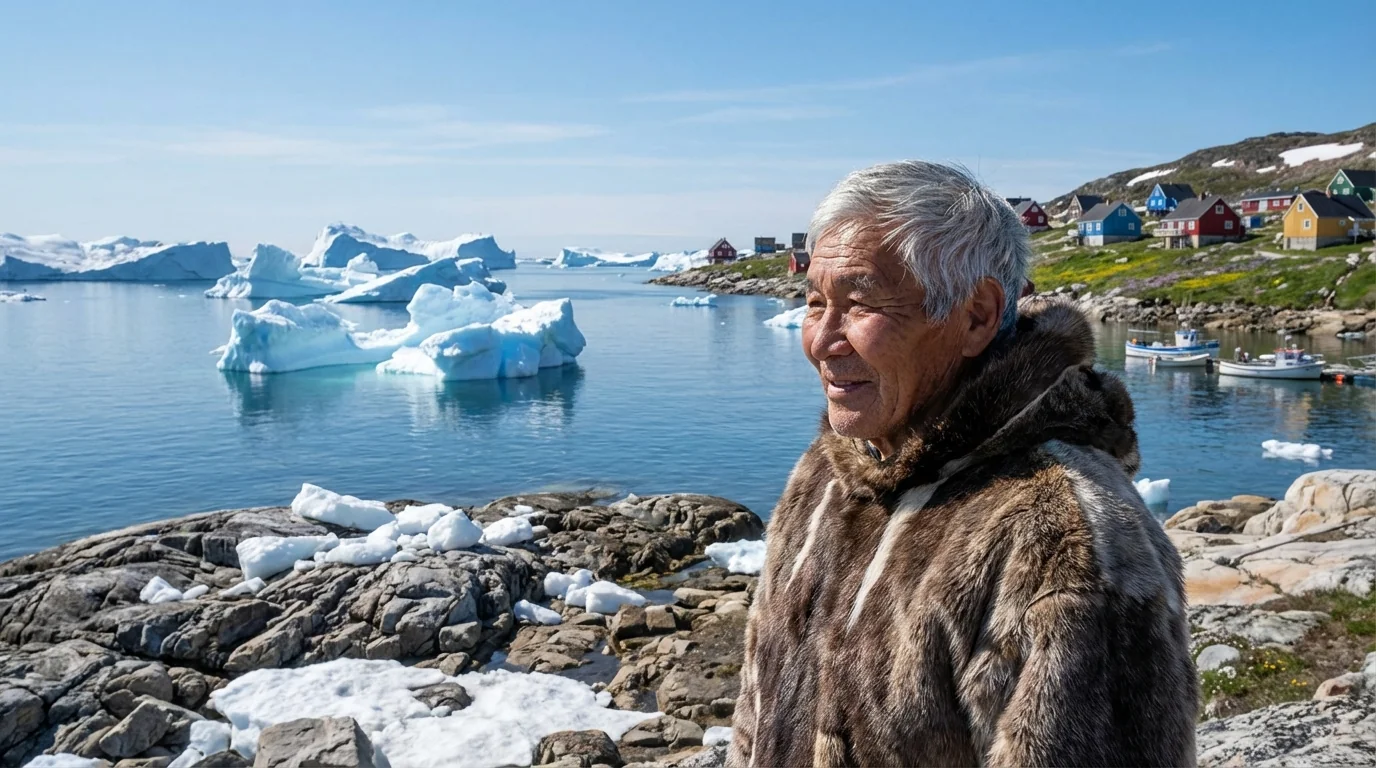
Greenland’s Inuit communities have specific protections under Danish and Greenlandic law. Denmark has also ratified international rules on Indigenous rights. That legal fabric matters if any U.S. or European plan seeks to speed extraction or build new corridors without local backing.
Trade shock, minerals, and NATO
This fight could hit supply chains fast. Europe may answer with broad countermeasures. The United States could then escalate. Each step adds cost and delay to critical goods, from turbines to chips to batteries.
Greenland sits on deposits that can reduce dependence on China. That goal is shared by Washington and Brussels. A tariff spiral would chill joint ventures, slow permits, and make financing harder. It could also complicate operations at Thule and related missile warning systems. NATO unity depends on trust, daily coordination, and smooth logistics. A public trade brawl strains all three.
- Who feels the hit first:
- U.S. importers facing sudden duties at the port
- European exporters locked out of the U.S. market
- Workers tied to transatlantic logistics and manufacturing
- Defense suppliers that rely on dual use components
A tit for tat cycle risks spilling into NATO agendas and joint sanctions. That would weaken coordination on Russia, the Arctic, and the global economy.
Citizen options and government levers
If you are a U.S. importer, prepare now. Seek product classifications, evaluate exclusions, and document harm. Be ready to file at the Court of International Trade. If you are an EU exporter, look for national support programs and EU relief tools designed for coercive trade disputes.
Congress also has choices. Lawmakers can demand transparency on the national security basis for these tariffs. They can set reporting rules, timelines, and guardrails. They can also fund projects that reduce reliance on any single Arctic pathway, which lowers the temperature of the fight.
European leaders can trigger their anti coercion instrument. They can calibrate duties, procurement limits, or licensing controls to press for withdrawal. They can keep defense channels open while they act on trade, which protects alliance work even in crisis.
What to watch next
Watch for the EU to call an emergency session and outline a staged response. Look for a formal WTO filing within days. Expect U.S. importers to seek quick injunctions at the trade court. Greenland’s Parliament and government will issue a position on consent and process. NATO officials will work to firewall defense planning from the tariff drama, at least for now. 🌍
The law here is not a sideshow. It is the battlefield. Linking tariffs to Greenland turns a legal tool into a geopolitical lever. That lever may snap, with damage to supply chains, rare earth cooperation, and alliance trust. There is still time to slow down. Clear legal process, respect for Greenland’s autonomy, and narrow trade remedies can pull both sides back from the brink.