A deadly mid-air collision over the Potomac River has forced a reckoning. This morning, federal officials formally admitted legal fault for the crash between an Army helicopter and an American Airlines passenger jet near Reagan National Airport. Sixty-seven people are dead. The Army and the FAA both acknowledged failures that set the stage for this disaster. The government’s admission changes everything, in court and in the air.
What the Government Just Admitted
The United States has accepted liability for the collision. That means the federal government is not fighting fault. It is accepting legal responsibility for what happened in controlled airspace near one of the nation’s busiest airports. The Army has acknowledged operational failures. The FAA has acknowledged air traffic and oversight gaps tied to the event.
This is rare, and it is decisive. It will accelerate compensation talks. It will also focus attention on how military and civilian flights share congested skies around Washington, DC. Families deserve clear answers. So do the millions who fly through this corridor every year.
How Coordination Broke Down
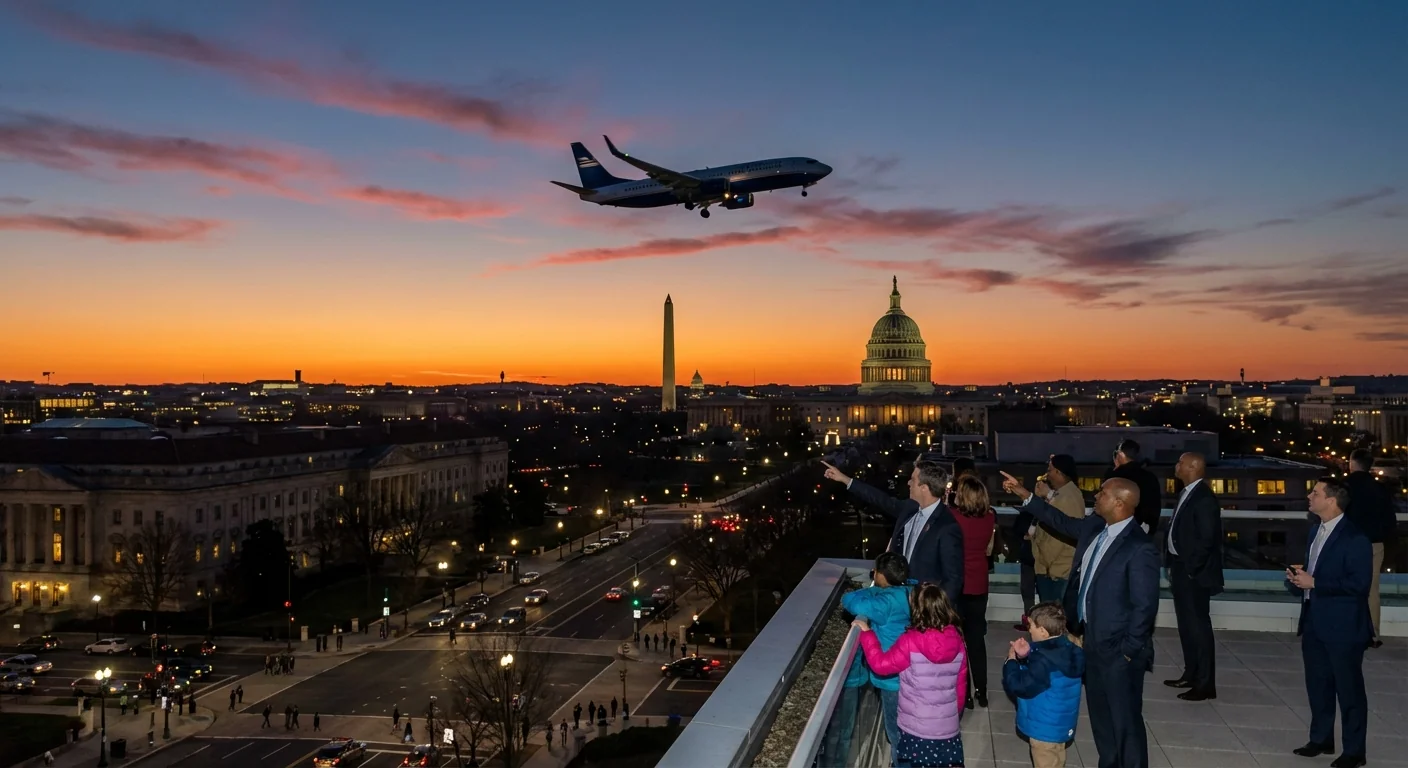
DC airspace is complex. It is dense, layered, and guarded. Yet that protection only works if rules are clear and followed in real time. Early indications point to a breakdown in coordination between the Army flight and air traffic control, and possibly a failure to maintain separation from the passenger jet during approach or transit.
Military operations in civilian airspace rely on strict procedures. They require exact communication with FAA controllers, proper use of transponders, and compliance with routing. In a corridor like this, there is no margin for error. If the helicopter did not get or follow a clear clearance, or if controllers misidentified positions or speeds, risk spikes fast. If automation alerts were missing or ignored, the safety net tears.
These are not small misses. They are systemic problems that can repeat if not fixed. Joint operations near Class B airspace around Reagan National must have a single playbook and a single chain of accountability in the room, not on paper.
What This Means for Families and Citizens
With the government admitting liability, families have a faster path to compensation. Wrongful death and injury claims against the United States usually move under the Federal Tort Claims Act. That process starts with a claim to the responsible agency. If the claim is denied or not resolved, families can go to federal court. There is no punitive damages against the government. But economic loss and pain and suffering are on the table, subject to state law rules.
If any victims were active duty service members on duty, their families may face limits because of long standing rules on military claims. Civilian passengers, crew, and people on the ground can proceed through the federal claims process. The airline may also face civil exposure. That will depend on what the flight crew knew and did in the final minutes.
Families should file an administrative claim promptly. Use Standard Form 95. The general deadline is two years.
- Government admission speeds settlement talks
- Families can pursue federal claims and private suits
- No punitive damages against the United States
- State wrongful death rules guide damages

Do not sign any quick settlement or broad release without legal advice. You can lose rights you did not know you had.
What Policy Fixes Must Happen Now
Accountability must be more than a press release. The FAA and the Department of the Army need immediate changes that the public can see.
- Embed a military liaison inside Potomac TRACON at all hours
- Require collision avoidance tech on military helicopters in DC airspace
- Standardize routes and altitudes for all rotary traffic along the river
- Run joint drills and publish results within 30 days
The FAA should also issue an emergency directive to clarify separation standards for mixed traffic near Reagan National. If necessary, pause certain helicopter operations until the fixes are in place. Congress should demand a public timeline, not a vague promise.
Oversight, Transparency, and Your Rights
A formal safety investigation is underway. Expect a public docket with transcripts, radar data, and audio. That record belongs to the public. Families have a right to updates, support services, and the respectful return of remains and personal effects under federal family assistance laws. Citizens also have a right to comment on any rule changes the FAA proposes. Real reform needs public pressure and clear deadlines.
Request records tied to the crash through the Freedom of Information Act. Ask for radar, tapes, and directives.