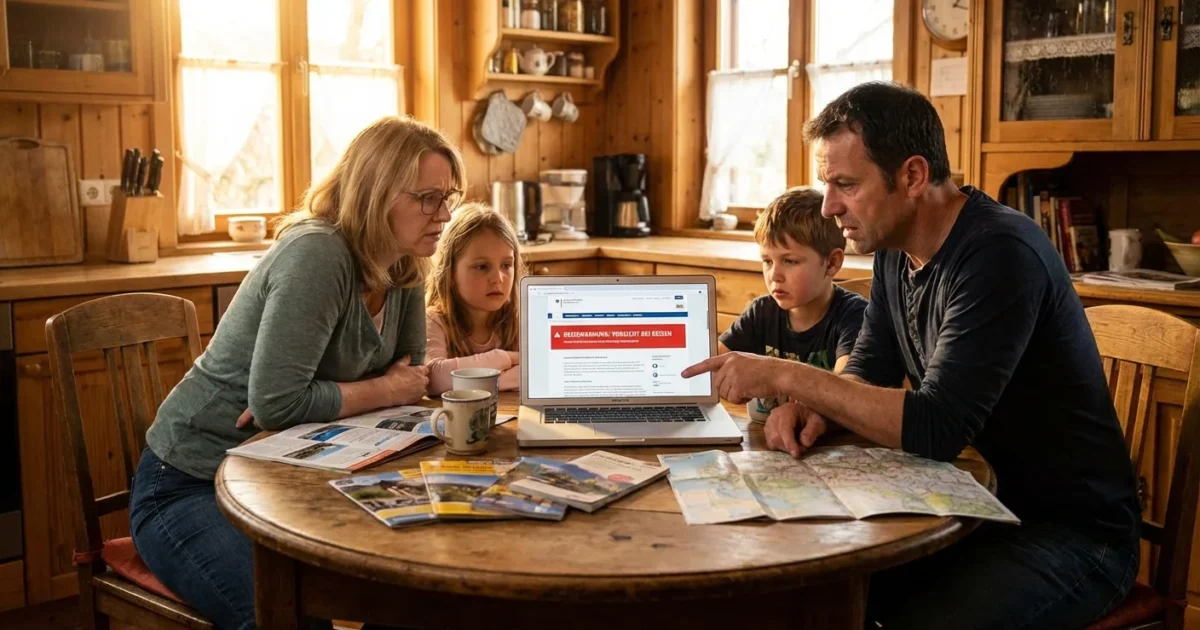
Germany has issued a new travel warning for the United States. The alert cites a risk of violent clashes around ongoing protests. I have reviewed the updated guidance. It is clear, urgent, and focused on personal safety. This is not a travel ban. It is a caution to stay alert, avoid demonstrations, and follow local rules. 🚨
What changed in Germany’s guidance
Germany’s Federal Foreign Office has updated its advisory for the U.S. The notice highlights possible violence at protest sites. It urges travelers to avoid rallies, marches, and counter-protests. It advises staying away from high tension areas, especially after dark.
The guidance flags Minneapolis as a hotspot. Recent clashes linked to immigration enforcement protests have drawn special attention. The advisory reflects a specific risk, not a blanket warning against all travel.
Opposition leader Friedrich Merz called the fatal shooting of a protester in the U.S. alarming. His remarks underscore the political concern in Berlin. German officials want citizens to be cautious, prepared, and informed.
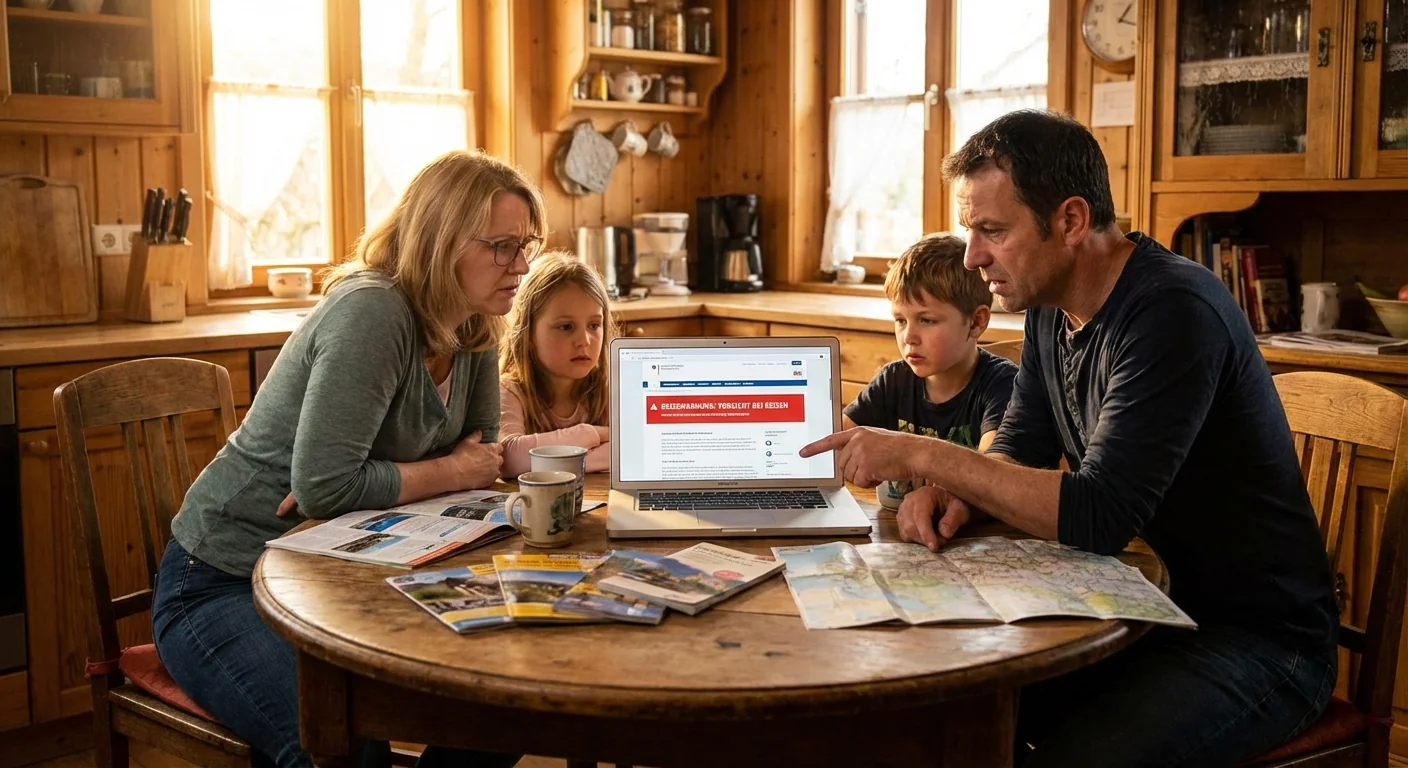
Avoid demonstrations and crowded protest areas. Do not stop to watch. Move to a safe place and follow police instructions.
Why this matters for law and policy
Allies rarely warn about travel to each other. When they do, it signals a real shift in risk. This advisory also shows how domestic U.S. protests can have cross-border effects. Germany has a duty of care to its citizens abroad. Issuing a caution is part of that legal and civic duty.
This move does not change who can enter the U.S. It does not change visas or the Visa Waiver Program. Flights continue. Tourism continues. But the policy tone has changed. Berlin is asking travelers to plan with safety in mind and to keep their distance from protest activity.
What the advisory says, and what it does not
The advisory is focused on behavior and awareness. It asks travelers to avoid large gatherings. It stresses the need to follow instructions from local authorities. It points to certain cities, including Minneapolis, where tensions have flared.
It does not restrict travel. It does not tell airlines or tour operators to cancel trips. It does not impose government controls on movement. The responsibility falls on the traveler to stay informed and make safe choices.
Practical steps for travelers
- Save contact details for the nearest German consulate
- Sign up for local alerts and check city websites for curfews
- Use official transit routes and avoid ad hoc street closures
- Keep photo ID on you, and know your hotel’s address
- Track protest routes and avoid them, even if curious
Register your trip with the Foreign Office’s crisis list. Enable phone and email alerts so you get quick updates if conditions change.
Rights and responsibilities on the ground
In the U.S., the right to peaceful assembly is protected. That protection has limits. Cities can set time, place, and manner rules. Police can issue lawful orders to disperse. If you are a bystander, you must still follow those orders. Failure to comply can lead to arrest, even if you are not protesting.
You may record events in public areas. Do not interfere with law enforcement. Keep a safe distance. If an officer gives a clear command, comply first. You can raise concerns later through proper channels.
If you are detained, ask to contact the German consulate. Consular officers can provide information and help communicate with family. They cannot secure your release or overrule local law. Respect local laws at all times. Alcohol, curfew, and traffic rules vary by city.
Travel insurance may exclude losses tied to civil unrest. Check your policy before you go. Ask your insurer about coverage for trip changes due to protests or safety alerts.
Policy signals to watch
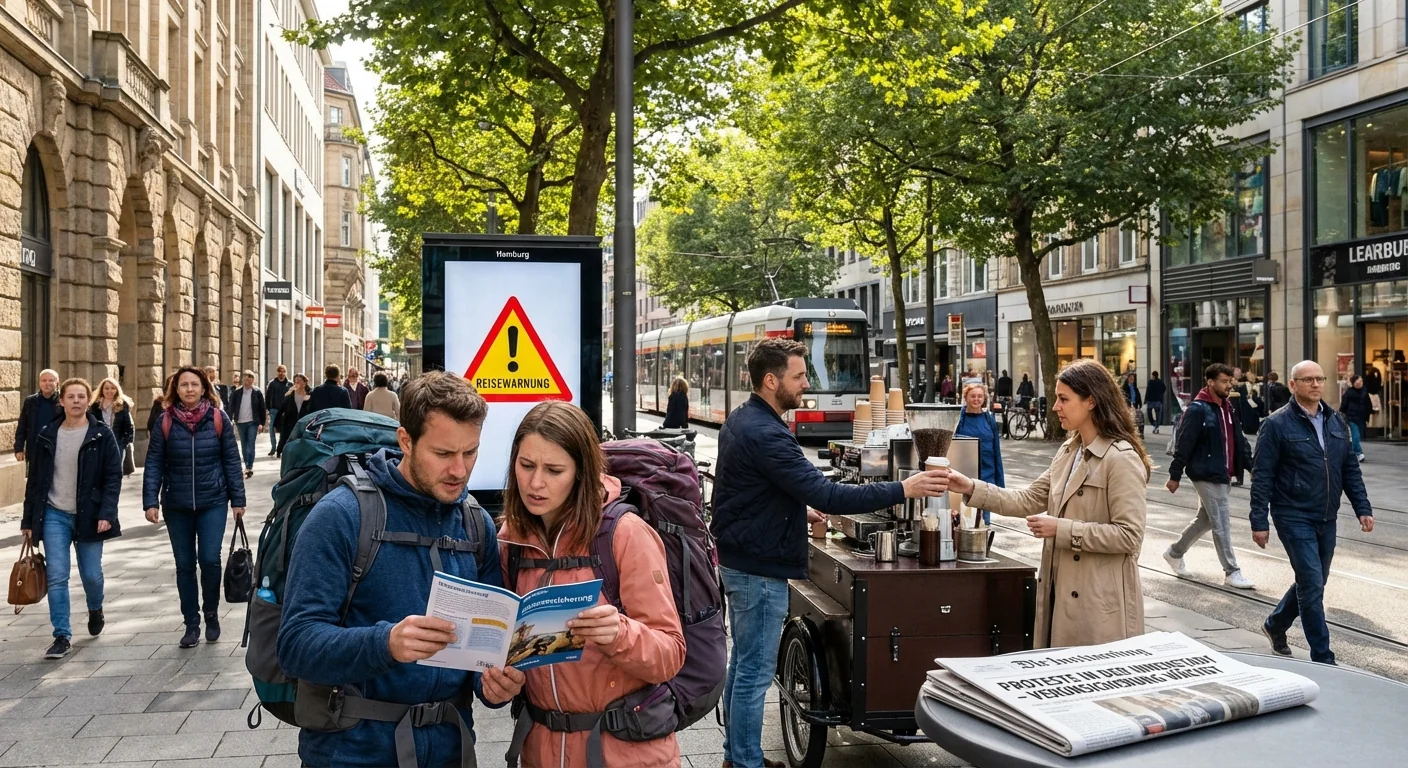
Germany’s alert could shift how other European ministries brief their citizens. It also puts pressure on U.S. local leaders to manage demonstrations safely. Expect more city level guidance, including temporary curfews and protest route controls. Travelers should watch for emergency orders, public transit changes, and closures around government buildings.
The bottom line
Germany’s message is straightforward. Travel to the U.S. remains open, but risk near protests is rising. Avoid demonstrations. Keep your distance from clashes. Follow local instructions. Stay informed and travel smart. This is prudent policy, not panic. It asks citizens to protect themselves, respect U.S. law, and seek help quickly if trouble starts.