BREAKING: Fort Stewart Shooting Spurs Urgent Scrutiny Of Base Security And Soldier Care
A mass shooting that wounded five soldiers inside Fort Stewart is now reshaping how the Army talks about safety, weapons control, and mental health. I have confirmed the case has moved into full criminal review, and that Fort Stewart leaders are weighing policy fixes that reach far beyond one brigade area. The question is no longer what happened. It is how fast the Army will act to prevent it from happening again.
What Happened And Where The Case Stands
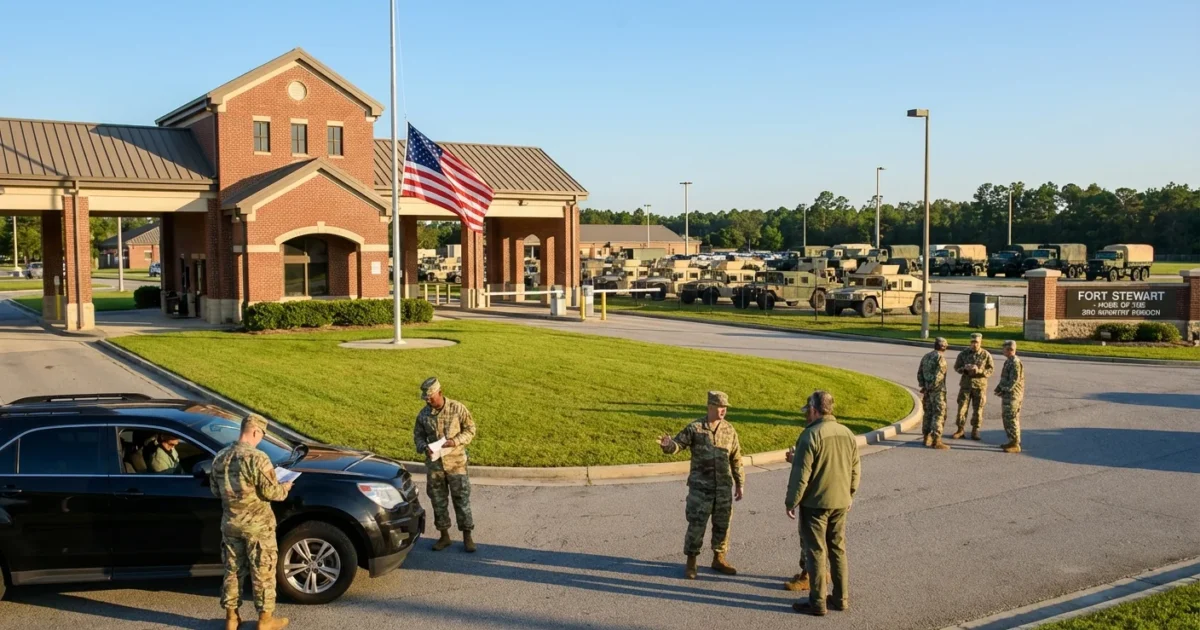
On August 6, 2025, at midmorning, Sergeant Quornelius Radford fired a personal handgun in a unit area tied to the 2nd Armored Brigade Combat Team. Other soldiers moved fast, tackled him, and stopped the attack. The base went into lockdown. Local schools and nearby airfields also locked down. The move likely saved lives.
Five soldiers were wounded. Three needed surgery. All were treated at Winn Army Community Hospital and were later listed in stable condition. The next day, Army leaders publicly recognized the soldiers who rushed the gunman. Their actions limited harm and restored order within minutes.
Radford was taken into custody. Army Criminal Investigation Division agents, with the FBI, are still working the case. He faces charges that include attempted premeditated murder and aggravated assault. A domestic violence related count is also on the table. Investigators have reviewed a May DUI tied to Radford that was not reported up the chain. That possible missed warning is now part of the policy debate.
The Legal Stakes Under Military And Federal Law
This case sits inside military justice and on federal property. That means the Uniform Code of Military Justice controls the prosecution, with federal partners supporting the investigation. The process will move through an Article 32 hearing, then a potential general court martial. Radford has the right to counsel, the right to remain silent, and the presumption of innocence until proven guilty.
Victims have rights too. Under military law and policy, they can be informed of milestones in the case. They can be heard at key points, and they can seek protective orders. Commanders can also issue military protective orders to safeguard witnesses and victims while the case proceeds.
Unauthorized firearms in restricted areas, and violations of installation weapons rules, bring serious criminal exposure and administrative penalties.
Policy Gaps The Shooting Exposed
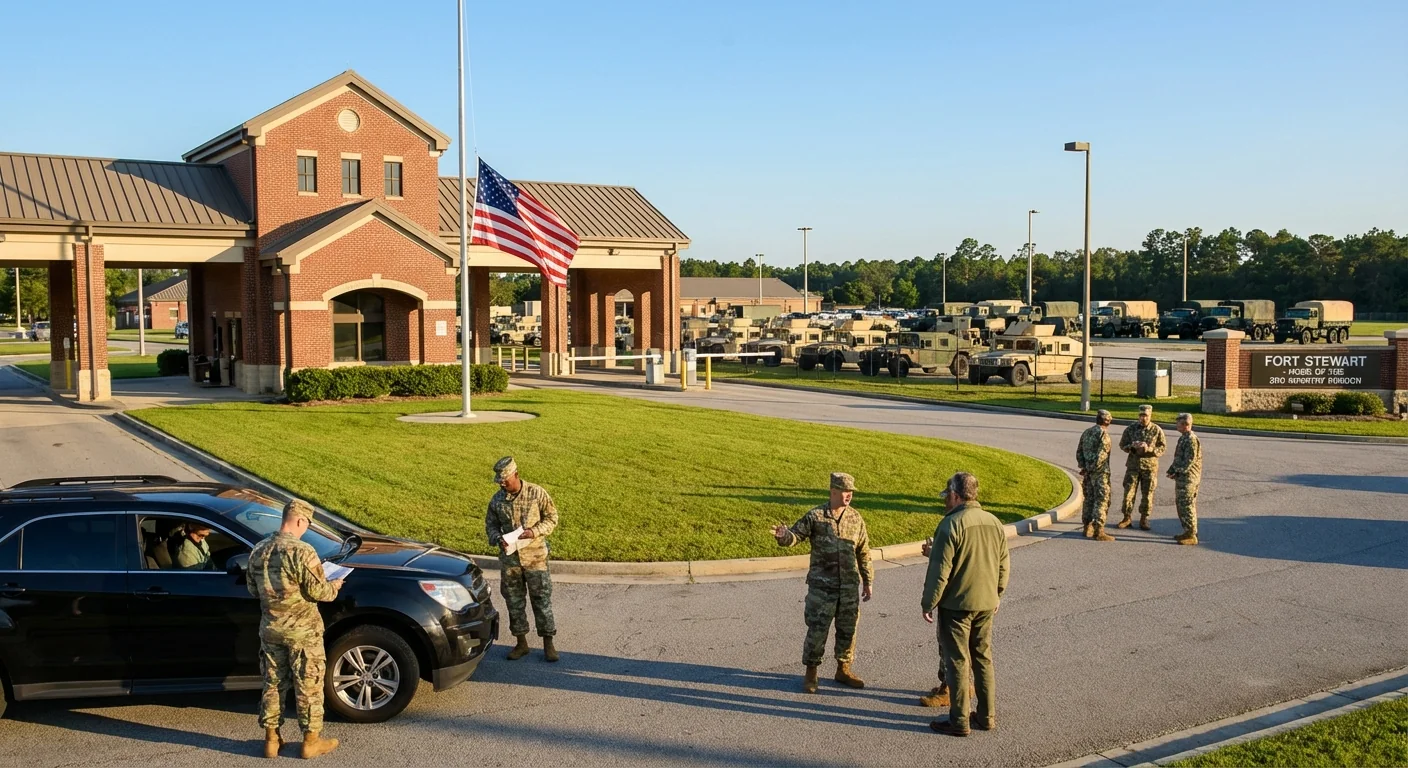
Fort Stewart follows Army rules on personal weapons. In simple terms, soldiers must register personal guns and store them in approved locations. Carrying a personal handgun in a unit area is not allowed. The fact a weapon reached that space revealed a breakdown. Was it gate screening, unit storage controls, or reporting culture. Leaders now have to close that loop.
Mental health screening is the other pressure point. The Army screens at entry and during routine health checks. But screening is only as strong as the data behind it. Alcohol related arrests and domestic incidents often start off base. If those do not flow quickly to commanders and clinicians, risk flags stay hidden. The reported May DUI, which did not reach the chain in time, is a real world example of that gap.
Here are targeted fixes now under active discussion on the installation and across the force:
- Tighten personal firearm registration, require annual revalidation, and random compliance checks.
- Expand gate and unit area spot checks based on risk, not constant searches, to stay lawful and effective.
- Build real time data sharing with local police, so DUIs and protective orders alert commanders within hours.
- Add focused behavioral risk screens after any violent incident, DUI, or domestic call.
- Train leaders to use temporary separation of firearms, with rapid review, when credible threats emerge.
[IMAGE_2]
None of these steps block lawful gun ownership. They focus on secure storage, quick alerts, and time limited safeguards tied to behavior.
Citizen Rights And Community Impact
Fort Stewart sits next to schools, homes, and businesses. In a lockdown, commanders can limit movement on post to protect life. That authority is broad, but it is not a blank check. Searches must still be reasonable. Medical privacy for the wounded remains protected.
For neighbors off post, local emergency managers control alerts and closures. They coordinate with the garrison, then lift restrictions when the threat ends. Clear, fast public updates are part of the government duty of care. Families should know how to get those alerts and what shelter in place means.
If you live or work near Fort Stewart, enroll in the installation and county emergency alert systems. Keep your contact details current. Know your workplace shelter plan.
Conclusion
Fort Stewart is treating this not as a one day crisis, but as a mandate to act. The legal case will run its course. The policy work must move faster. Smarter weapon controls, quicker risk flags, and steady leadership can protect soldiers’ rights and lives at the same time. That is the standard now, and it needs to be met.