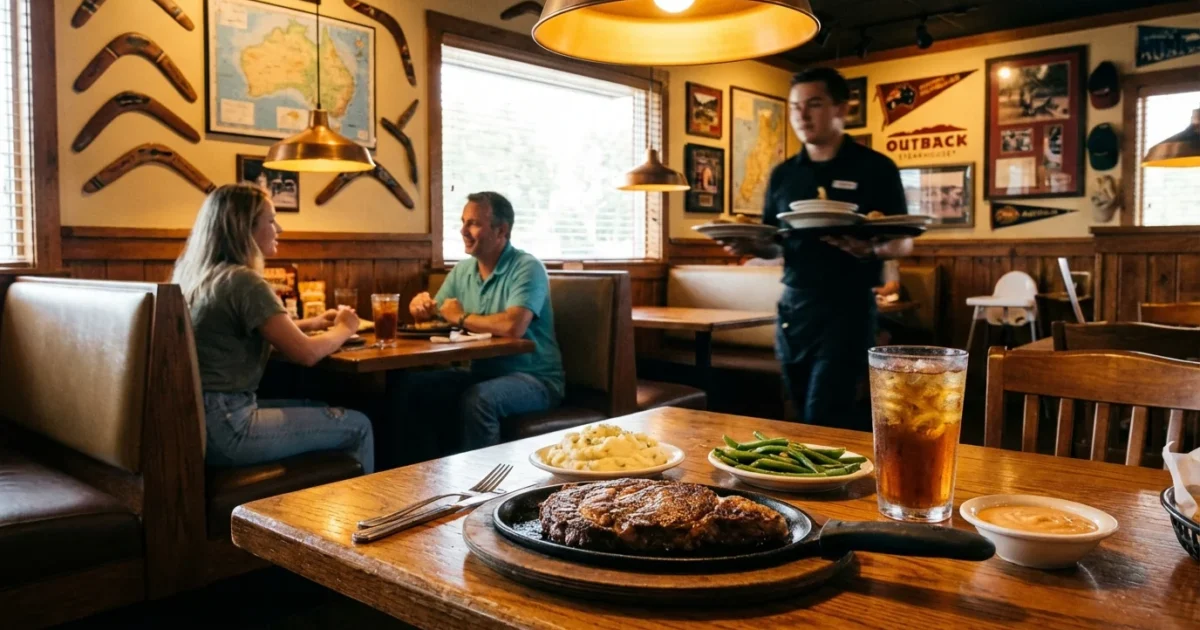
A Florida diner says a toilet shattered under him at an Outback Steakhouse. He is now suing the company for negligence. I have reviewed the newly filed complaint, which alleges serious bodily injury and seeks damages. The case puts a spotlight on premises safety in big restaurant chains, and what businesses owe to guests.
The Filing, and What It Claims
The complaint states that the guest used a restroom at a franchised location and the toilet seat fractured beneath him. He claims the break caused significant injuries. He alleges the restaurant failed to keep the restroom in a reasonably safe condition. He also claims staff should have inspected and repaired the fixture.
Outback has not yet filed its answer. The allegations have not been proven in court. In a typical case like this, the company will be served, notify its insurer, and begin an internal review. Expect early questions about when that toilet seat was last inspected, who installed it, and whether staff had any notice of defects.
These are allegations, not findings. Details can change as evidence comes in and the court rules.
The Legal Duty to Patrons
Florida law treats paying customers as invitees. Businesses owe invitees a duty to keep the property reasonably safe. That duty includes fixing hazards the business knows about, and those it should find with reasonable inspections.
A toilet seat is a basic fixture. Restaurants must install safe hardware, follow building codes, and inspect for wear. If a seat cracks, or the hinge loosens, the duty is to repair or replace it promptly. If there was no notice of a defect, the defense will argue the break was sudden and unforeseeable.
Florida’s negligence landscape changed in 2023. The statute of limitations for most negligence claims is now two years. Florida also uses a modified comparative fault rule. If a plaintiff is more than 50 percent at fault, recovery is barred. That rule could matter if the defense argues misuse, though such claims are fact specific.
Medical negligence cases are treated differently. This dispute appears to be premises liability, not medical negligence.
How Big Chains Manage Risk
Large brands keep maintenance logs, vendor invoices, and incident reports. After an injury, those records become crucial. So does the physical evidence. In a case about a shattered seat, the broken parts matter. The make, model, and condition can tell a story about age and stress.
Expect the defense to seek witness statements and cleaning schedules. Plaintiffs often request surveillance footage near the restroom hall, and work orders for repairs. Franchised locations may bring in third party installers, which can add another layer of responsibility and insurance.
Spoliation, the loss of key evidence after notice, can carry court penalties. Smart operators preserve the scene, tag the parts, and document chain of custody.
Preserve what broke. Ask that the business keep the item intact for inspection. Take photos if you are able. 📷
Policy and Public Oversight
Health departments inspect restaurants, including restrooms, for sanitation and basic conditions. Those checks often focus on cleanliness and accessibility. They do not replace a restaurant’s duty to install and maintain safe fixtures. Building officials approve construction and renovations. Routine government inspections rarely examine internal wear on seats and hinges after opening.
A case like this will prompt many chains to recheck their restroom hardware. That is good risk management and good policy. It also protects guests, who have a right to safe facilities when they pay to dine.
If You Are Hurt in a Public Restroom
Your rights start with documentation. Florida’s shorter deadline means time matters.
- Report the injury to the manager and ask for an incident report
- Photograph the area and the broken item, if safe to do so
- Get names of witnesses and employees you spoke with
- Seek medical care and save your records
- Keep any clothing or personal items damaged in the incident
Florida’s general negligence deadline is two years. Missing it can end your claim.
What Comes Next in This Case
The court will set deadlines. Outback will answer or move to dismiss parts of the complaint. Discovery will follow, with requests for maintenance records, purchase histories, and any prior incidents. Mediation is common in premises cases. Many settle if the facts are clear and the injuries are documented.
This lawsuit is unusual, but the law behind it is not. Restaurants invite the public in. That invitation brings a duty to keep the space safe, including the most ordinary fixtures. A broken seat can become a big legal problem when it causes real harm.
The civic takeaway is simple. Businesses must inspect, fix, and document. Patrons should speak up, ask for help, and preserve evidence. Courts will sort the facts, but safety starts long before a lawsuit.