Breaking: Fired for kneeling. Eleven former FBI agents sued top federal officials today, saying they were punished for using a de‑escalation tactic during a June 4, 2020 protest. They say they knelt to calm a tense crowd, not to make a political point. The case now tests free speech rights inside federal law enforcement, and the limits of politics in personnel decisions.
What happened and who is suing
I obtained the complaint filed in federal court in Washington, D.C., naming FBI Director Kash Patel, Attorney General Pam Bondi, the FBI, the Justice Department, and the Executive Office of the President. The plaintiffs were reassigned in early 2025, then fired around September. The termination letters cited unprofessional conduct and lack of impartiality.
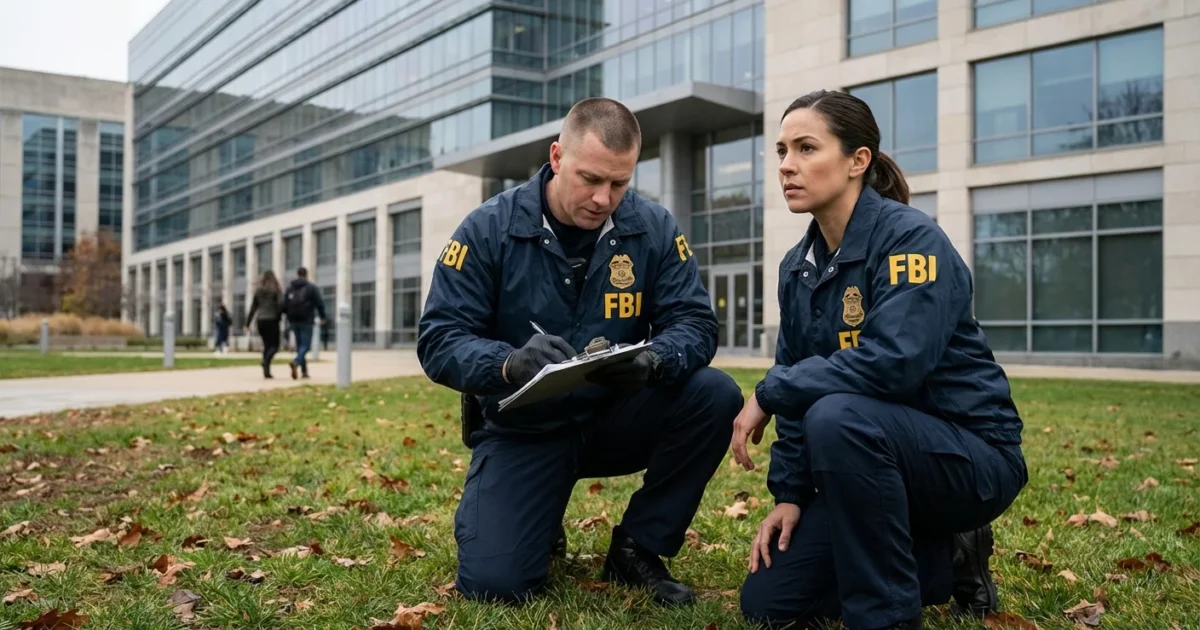
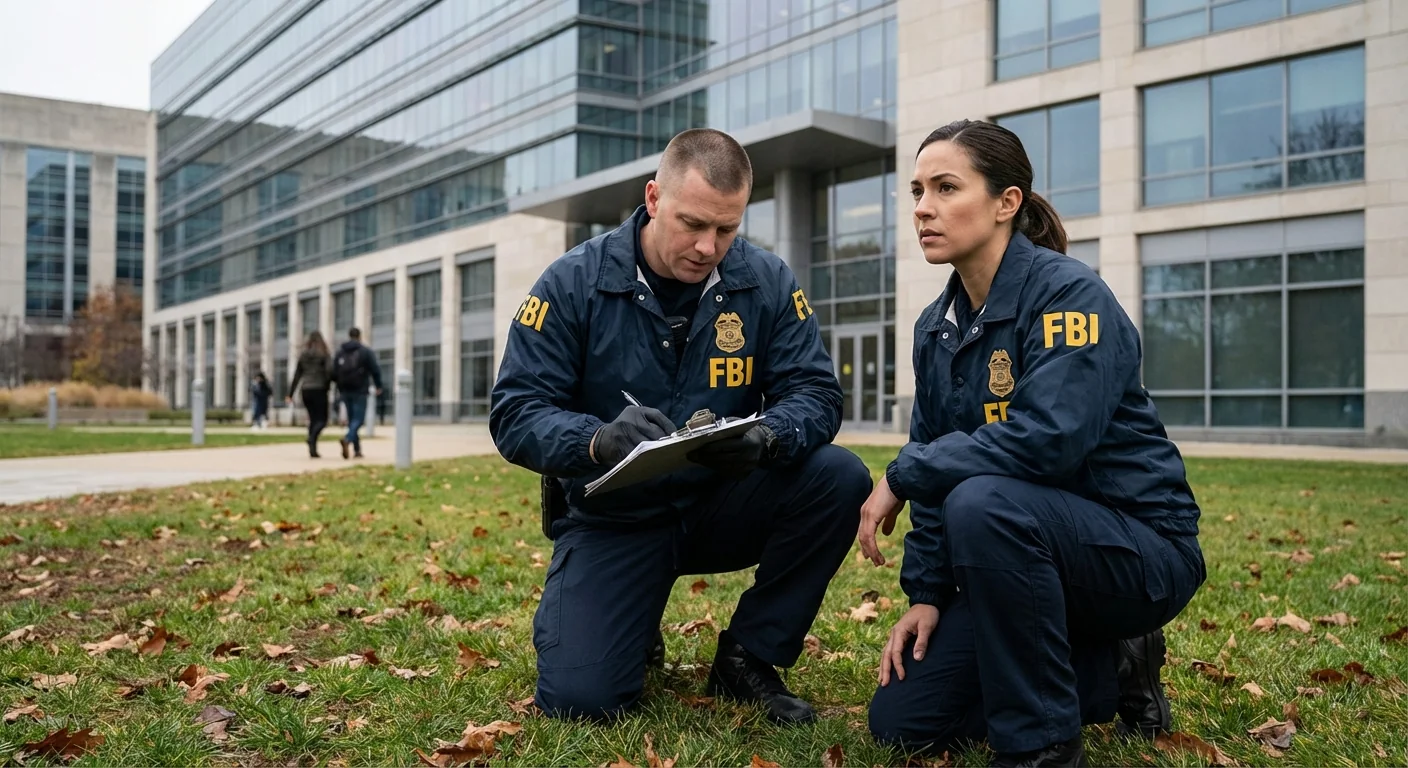
The agents argue the opposite. They say they were on duty in 2020, facing a volatile scene after George Floyd’s death. They knelt to lower tensions. They describe the move as training‑based judgment, not speech about politics. Internal reviews in 2020, they add, found no misconduct.
The lawsuit asks the court to reverse the firings and to restore their records. It also alleges viewpoint discrimination, and a purge of perceived political opponents inside the FBI. The plaintiffs say the Constitution and civil service law bar that.
The legal stakes: speech, due process, and civil service rules
First Amendment
The core question is whether kneeling, by armed federal agents on duty, is protected expression. Courts look at two things. Is the act expressive. And does the government, as employer, have a stronger interest in discipline and neutrality.
Kneeling can be symbolic speech. But these agents were working. Under Supreme Court cases, speech made as part of the job often is not protected. The government can also regulate conduct that risks the appearance of bias. The plaintiffs will argue that kneeling was a safety tactic, not expressive speech, so it cannot be punished as political behavior.
Fifth Amendment and civil service protections
The plaintiffs also bring due process claims. They say they had a protected job interest and were denied fair procedures. They will point to the Civil Service Reform Act and prohibited personnel practices. Federal law bars firing career employees for their political views. It also requires a nexus to the efficiency of the service.
If the court finds the motive was political retaliation, the government faces a high bar. If the court finds a genuine impartiality concern, the government has more room. Expect disputes over internal emails, past discipline records, and the earlier inspector reviews.
The case turns on motive and role. Were the firings about politics, or professional standards. Were the kneeling actions speech, or safety decisions made as part of duty.
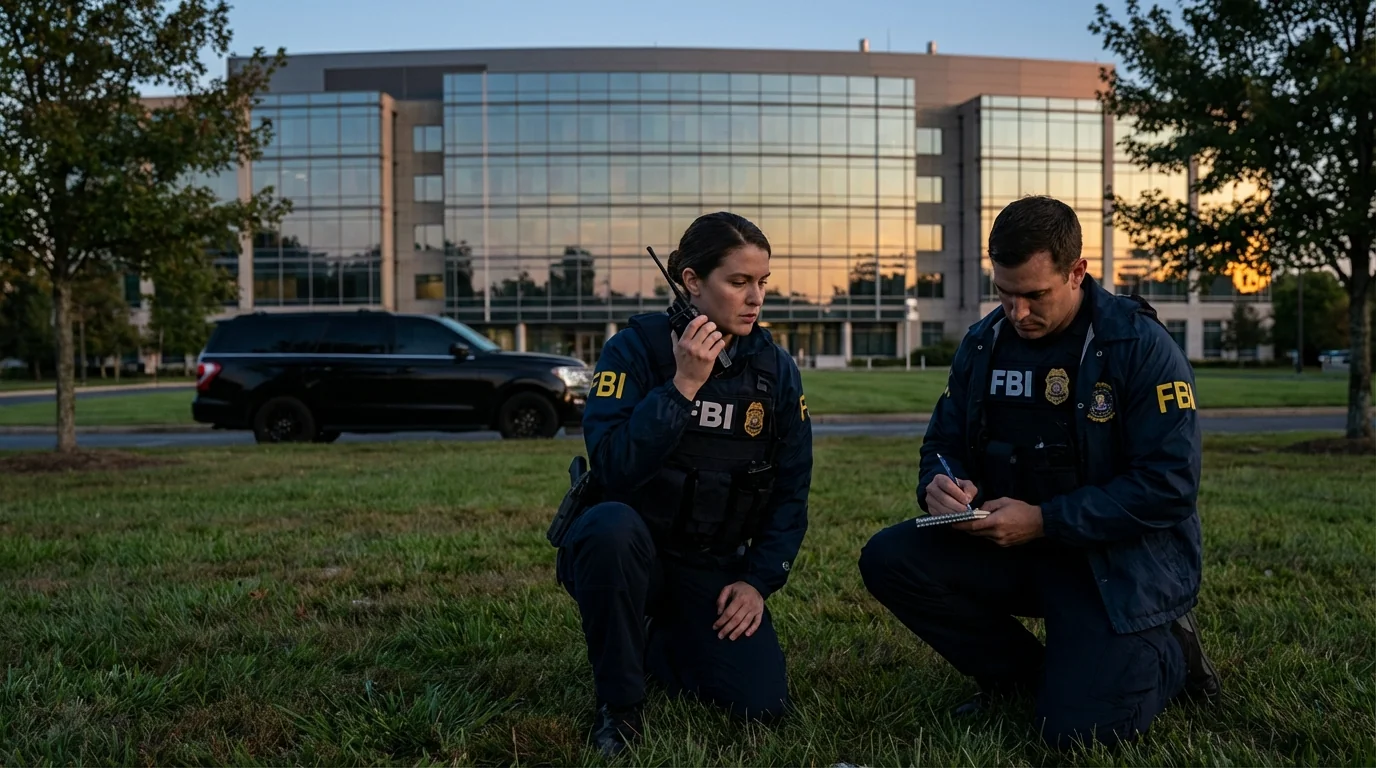
Policy and operational fallout
This fight reaches beyond one incident. It goes to how the FBI sets culture and keeps public trust. A workforce that fears political litmus tests may pull back from tough calls in the field. At the same time, a public that sees agents taking sides may doubt the bureau’s fairness.
There is also a capacity cost. Firing experienced agents drains case knowledge and training investments. Replacing them takes time. That can slow work against violent crime, cyber threats, and foreign spies.
The complaint seeks broad relief that would shape policy:
- Reinstatement to former or equivalent posts
- Back pay and benefits, with interest
- Correction of personnel files
- Damages for constitutional violations
- Orders blocking future political retaliation
Agencies can adopt clear de‑escalation guidance for protests. That reduces guesswork on the street and shields officers from later political fights.
What comes next
The government will likely move to dismiss. It may argue that on‑duty conduct, even if expressive, can be regulated to preserve neutrality. The plaintiffs may seek a preliminary injunction to return to work while the case proceeds.
If the case survives early motions, discovery could be sharp. Expect requests for communications about personnel changes in 2025, and for the 2020 internal findings. Congress may also take interest in oversight. For now, the legal forum is the one that matters most.