BREAKING: White House Labels Street Fentanyl a Weapon of Mass Destruction
The White House has taken its most aggressive step yet on opioids. I have the signed executive order in hand. It directs federal agencies to classify illicit, or street, fentanyl as a weapon of mass destruction. That label carries huge legal and operational weight. It will shape how police, prosecutors, and public health teams work. It will also test the balance between public safety and civil liberties.
What the Order Actually Does
The order does not change the medical use of fentanyl for severe pain. It targets illicitly made fentanyl and analogues. These are the powders and pills that drive today’s overdose deaths. The government will now treat large scale fentanyl trafficking as a national security threat. It pushes the response into the same lane used for chemical threats.
In plain terms, the order tells federal agencies to surge. It pulls in the FBI’s WMD units, Joint Terrorism Task Forces, and military logistics support. It signals tougher penalties in major cases. It also opens the door to sanctions on foreign suppliers and brokers.
- Stand up WMD response plans for fentanyl incidents
- Expand interagency task forces and data sharing
- Use military transport and detection gear to support civilian agencies
- Pursue sanctions and export controls on precursor chemicals
This is a sharp turn in policy. It aims to stop mass poisonings and large batch labs. It also raises questions that Congress may need to answer.
The Legal Edge, and the Limits
An executive order can direct agencies. It cannot rewrite criminal laws. That line matters. WMD crimes are defined in federal statute. Courts will decide if fentanyl fits those laws in a given case. Prosecutors may try to charge kingpins using chemical weapon or WMD conspiracy counts. Defense lawyers will fight that. Expect fast challenges in federal court.
The Supreme Court has warned against stretching chemical weapon laws to cover ordinary crimes. That was the message in a case about a household chemical. Fentanyl is different, given its lethal potency. Still, scale and intent will be key. Using WMD tools for a street level case will be risky.
Search and surveillance rules also remain. Fourth Amendment protections still apply. The WMD label does not erase the need for warrants or probable cause. It does allow more specialized teams and gear. It may also bring new emergency authorities at borders and ports.
An executive order can task agencies and move money. It cannot create new crimes or punishments on its own.
What Changes on the Ground
Expect more federal agents in overdose hot spots. Expect faster federal adoption of cases that involve mass harm, pill mills, or cross border networks. Expect more mail and parcel inspections. The Postal Inspection Service and Customs will get new tools and targets.
For states, the order will pull them into WMD style drills. First responders will receive new training on fentanyl exposure and mass casualty scenes. Labs will get more resources to identify analogues. Hospitals may see regional stockpiles of naloxone and PPE.
Harm reduction programs face a new stress test. Some local officials may see the WMD label and move to restrict syringe services or test strip distribution. That would be a mistake. The order does not ban those tools. The federal public health strategy still supports them.
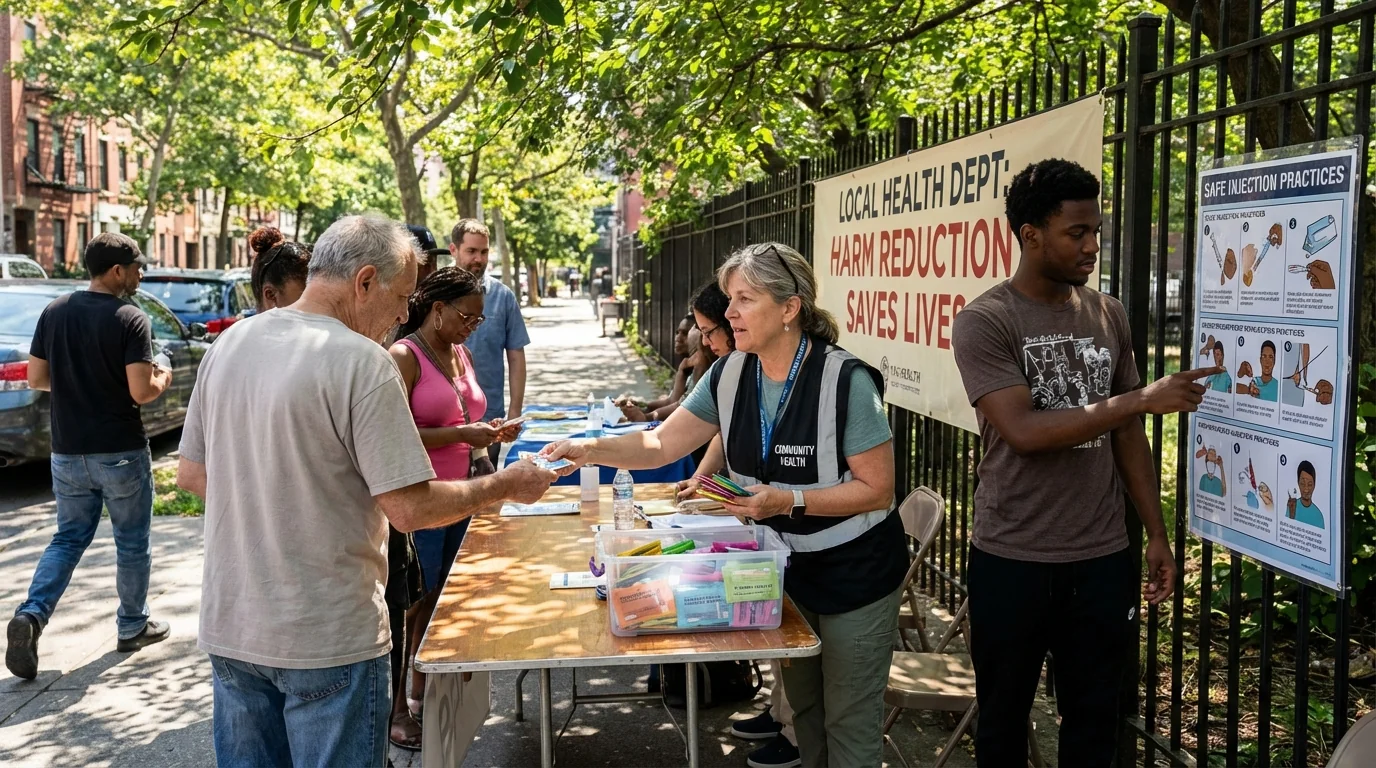
Do not let the WMD label chill lifesaving care. Naloxone, test strips, and treatment keep people alive and connect them to help.
Rights, Risks, and Responsibilities
Citizens should prepare for tougher enforcement in high risk corridors. That could mean more checkpoints near ports, rail hubs, and interstates. It could mean broader use of federal conspiracy charges in large cases. Know that Good Samaritan laws still protect people who call for help during an overdose, with limits that vary by state.
If law enforcement seeks entry to a home, they usually need a warrant. Ask to see it. If you are stopped, you have the right to remain silent and to ask for a lawyer. Harm reduction providers should review their state laws, update protocols, and keep clear records. Public health workers should continue outreach. The order does not criminalize giving out naloxone.
Carry naloxone if you are around opioids. In most states, you can get it without a prescription. It can save a life.
Public Health Stakes
Fentanyl is 50 to 100 times stronger than morphine. Illicit batches show up in heroin, counterfeit pills, and stimulants. Many people do not know what they are taking. That is why deaths rise so fast. Naloxone can reverse an overdose, but several doses may be needed.
The WMD label may help stop large shipments. It will not, by itself, shrink demand or treat addiction. The fastest way to cut deaths is to scale treatment and harm reduction. The smartest path blends both approaches. Shut down big suppliers. Keep people alive long enough to get care.
The Bottom Line
This is a major escalation in the federal response. It treats illicit fentanyl as a national security threat. It may speed interdiction and bring new tools to big cases. It also risks pulling the drug crisis deeper into a war footing. The law is clear on one point. An order cannot replace smart, steady care. If we want fewer funerals, we must pair enforcement with treatment, harm reduction, and hope.