BREAKING: FBI searches home of Washington Post reporter Hannah Natanson in leak probe
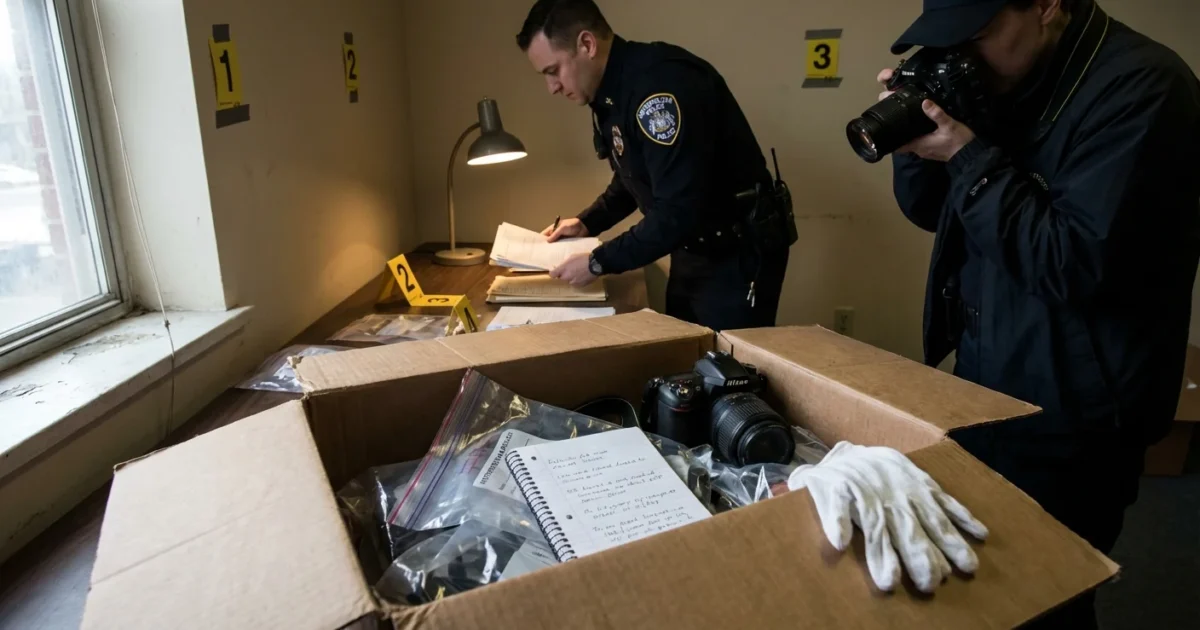
Federal agents searched the home of Washington Post journalist Hannah Natanson today, acting on a court approved warrant tied to a federal leak investigation. The action, rare and aggressive, targets a reporter’s private space and strikes at the line between national security enforcement and press freedom. Natanson has not been charged.
What happened, and why it matters
The search is connected to the arrest of a U.S. defense contractor on charges of leaking classified information. That arrest and this warrant appear to be part of the same investigation. The government is signaling that it is willing to push into a reporter’s home to chase alleged disclosures.
Such moves against journalists do not happen often. When they do, they carry legal consequences for the press and for the public. They also test the Justice Department’s own rules for dealing with the news media. Those rules were updated in 2021 to sharply limit government efforts to seize reporters’ records for newsgathering.
A direct test of DOJ’s media rules
Under the Justice Department’s 2021 media guidelines, prosecutors generally may not use subpoenas, court orders, or warrants to obtain reporters’ records when the goal is to identify a source. There are narrow exceptions. One is when the journalist is alleged to have committed a crime unrelated to ordinary newsgathering. Another is when immediate action is needed to prevent harm. Any such step requires approval at the highest levels.
Searches are also constrained by the Privacy Protection Act. That law makes it hard for the government to seize a journalist’s work materials with a warrant. It pushes prosecutors toward subpoenas, negotiations, and less intrusive steps. There are exceptions, but courts read them narrowly.
The 2021 DOJ guidelines generally bar seizing journalists’ records for newsgathering, with narrow exceptions and top level approval.
If the government believes a reporter possessed classified material, it may try to invoke an exception. Even then, agents must meet the Fourth Amendment’s strict standards, and the warrant must be specific. Fishing expeditions are not allowed.
The legal bar the government must clear
To enter a journalist’s home, the Justice Department must persuade a judge that the search is lawful and necessary. In practice, that means multiple hurdles.
- Probable cause that evidence of a specific crime will be found at the location
- A warrant that is precise about what can be seized, and what cannot
- Consideration of less intrusive alternatives, as DOJ policy requires
- High level approval under the media guidelines, given the target is a reporter
Any overreach can be challenged in court. Judges can order the government to return property. Courts often appoint a special filter team to screen seized materials, to protect unrelated files and source identities. That is not automatic, but it is common in sensitive cases.
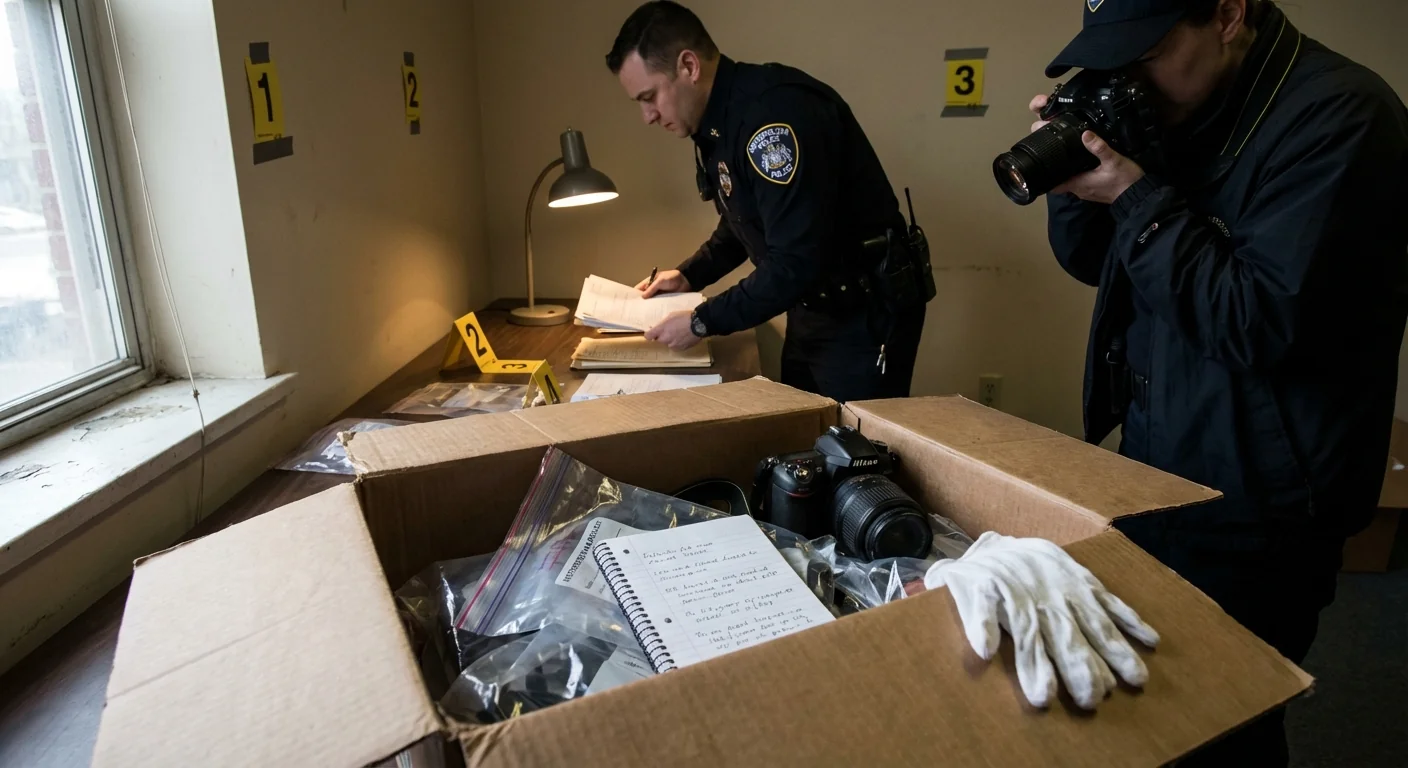
If agents arrive with a warrant, you have the right to read it, call a lawyer, and receive an inventory of what is taken. Do not consent to any search beyond the warrant’s scope.
The stakes for reporters, sources, and citizens
Searches like this can chill newsgathering. Sources see a home raid, then think twice before sharing information, even when it exposes wrongdoing. Reporters may pull back from sensitive stories. That harms the public’s right to know.
At the same time, leak prosecutions are a core national security tool. When classified material is exposed, the government often argues it must respond. The hard question is how to do that without trampling press protections. Today’s search shows how fragile the balance is.
For newsrooms, this moment is a warning. Review device encryption, source handling, and legal response plans. Update off site backups. Train staff on how to handle warrants and subpoenas.
Document everything during a search, get the warrant and inventory, and seek a prompt court review for overbreadth or return of property.
[IMAGE_2]
What comes next
Expect fast legal moves. Natanson and her employer can seek to unseal the warrant and supporting affidavit. They can ask for a special master to review any seized materials. They can challenge the scope under the Privacy Protection Act and the First Amendment. The Justice Department, for its part, will likely point to a claimed exception in its media rules and argue necessity.
Congress may also ask questions. The 2021 guidelines were meant to prevent invasive tactics that chill reporting. A search of a reporter’s home is almost the textbook case those rules were designed to address. Lawmakers can demand clarity about approvals, scope, and safeguards.
The bottom line
Today’s search is more than a headline. It is a live stress test of the Justice Department’s media policy, the Privacy Protection Act, and the First Amendment. The government says it is pursuing a leak. The press warns that this kind of search risks crushing newsgathering. Both claims can be true. The law requires a careful, narrow approach. The next filings and court rulings will tell us if that standard was met. The stakes, for a free press and an informed public, could not be higher.