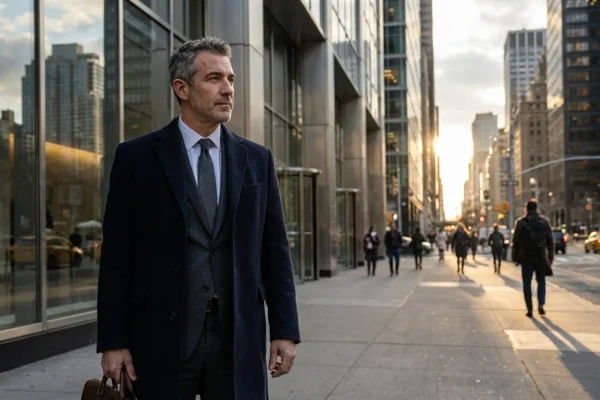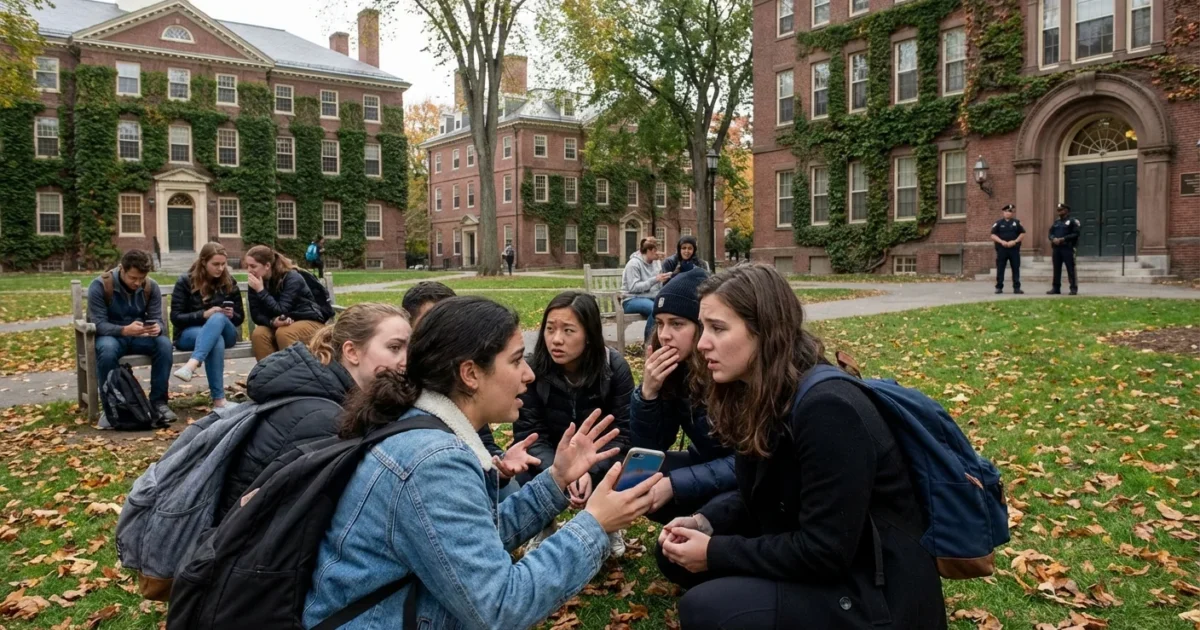
Breaking: Federal agents have released suspect photos tied to a reported mass shooting connected to Brown University. A nationwide manhunt is now active. Hours later, investigators confirmed that a previously named person of interest was released. The case reset in real time, and with it, the legal stakes for officials, students, and local residents. 🚨
What We Know Right Now
I have reviewed the images shared by the FBI. The photos show a single suspect, and the bureau is asking for public tips. Officials say they are working with Providence police and Brown’s public safety team. Campus safety advisories remain in place. Classes and campus operations are being evaluated as the situation evolves.
The release of a person of interest today shifted the investigation. It also raised fresh questions about how quickly names and photos should go public. Details on motive, injuries, and final suspect identity remain unconfirmed. Authorities are urging patience while they work through leads.
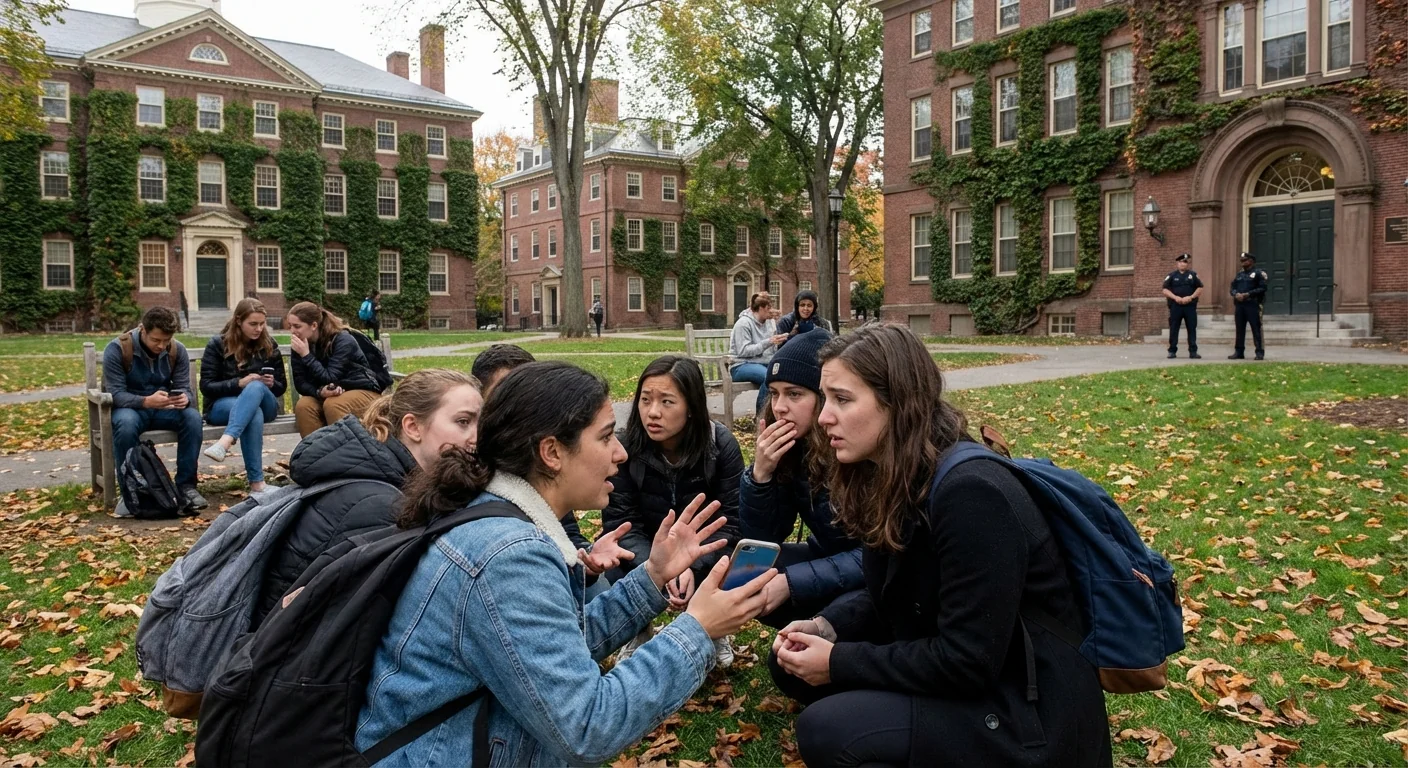
Do not share unverified names or photos. If you recognize the person in the FBI images, call the tip line. Do not approach the suspect.
The Legal Stakes of a Photo-Driven Manhunt
Public release of suspect images is lawful when it serves a clear investigative need. The FBI often seeks help when a suspect may flee across state lines. That choice carries risk, and it must be tied to legitimate public safety goals.
Here is the key point. A photo is not proof. It does not replace probable cause, and it does not erase the presumption of innocence. Misidentification can harm innocent people. It can trigger harassment, lost work, and lasting reputational damage. Agencies that publish images must act with care and correct errors fast.
When a person of interest is released, it means the legal threshold to hold them was not met, or new facts emerged. That is how due process should work. It is also why agents and public officials should avoid comments that suggest guilt before charges are filed. Loose language can taint a jury pool and invite legal challenges. ⚖️
Words from government carry legal weight. Statements that sound like verdicts can threaten a fair trial and violate policy.
Campus Duties, Safety Orders, and Student Rights
Brown University has a legal duty to issue timely warnings under the Clery Act when a serious threat exists. That includes alerts, shelter guidance, and clear updates. The school can limit access to buildings and increase ID checks. Police can secure scenes and collect evidence with warrants or valid exceptions.
Students and staff still keep constitutional rights. You may be asked to show ID on campus property. You do not have to consent to a search of your dorm room or bag without a warrant, unless there is an immediate safety risk or a specific campus policy applies. If stopped, ask if you are free to leave. If not, ask for a lawyer.
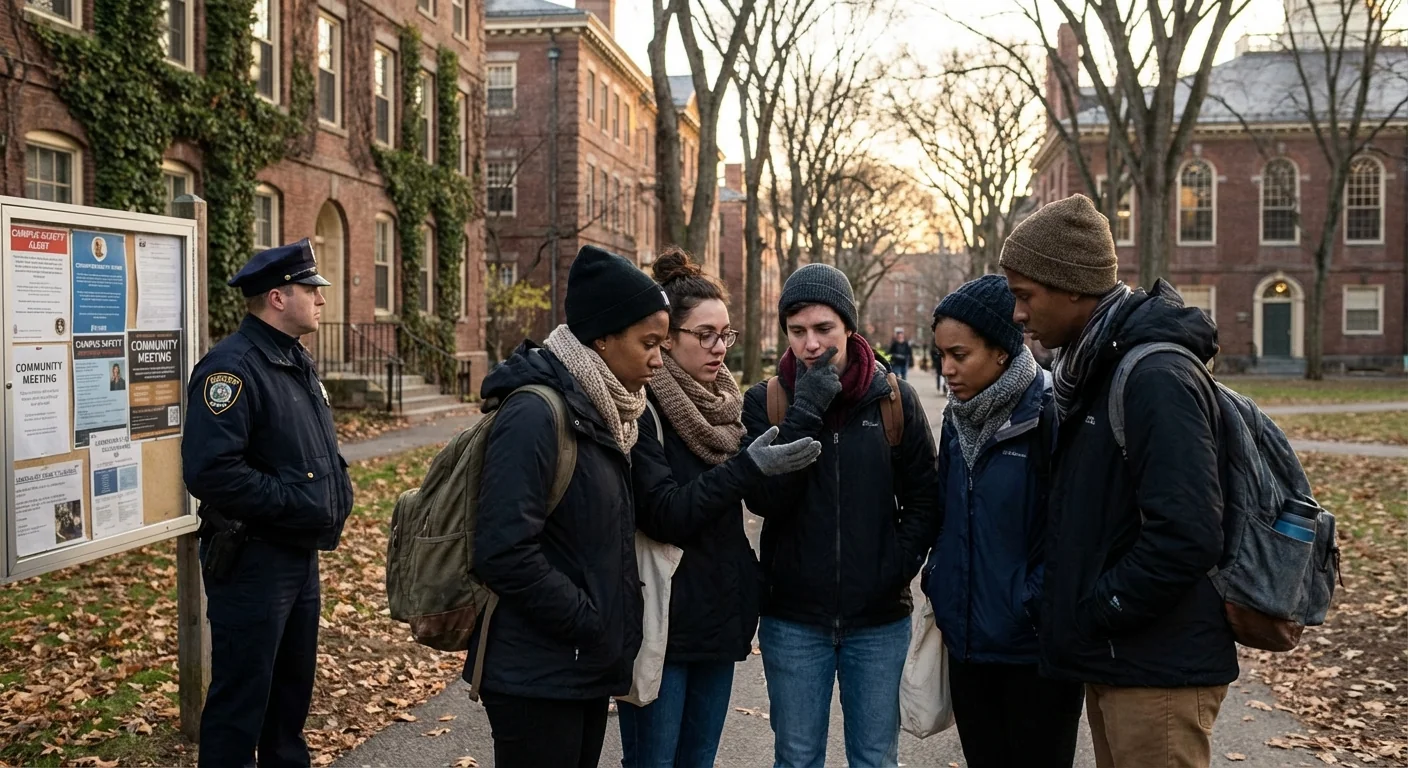
- If approached by law enforcement:
- Stay calm and keep your hands visible.
- Ask if you are being detained.
- Do not resist, even if you feel the stop is wrong.
- You can say, I do not consent to a search.
- You have the right to remain silent and to an attorney.
Save emergency numbers in your phone. Know your campus alert settings. Keep a recent photo ID on you during an active advisory.
Federal Messaging, Social Media, and Fair Process
The conduct of federal officials is now under sharp review. In a fast case, one post can race ahead of the facts. Policy requires restraint. The Justice Department bars statements that could prejudice a jury. Agencies should speak with one voice, avoid speculation, and correct errors in public.
This is not just media etiquette. It is about equal justice. Prejudicial posts can invite suppression motions, venue changes, and even civil claims. They also risk public safety if they trigger vigilante actions. Today’s reset shows why officials should keep updates factual, narrow, and focused on what the public must know for safety.