
A man walked into a jail, flashed what looked like federal credentials, and asked for prisoner Luigi Mangione. Minutes later, deputies had him in handcuffs. The alleged ruse to pass as an FBI agent failed, but it exposed a clear warning for jail security and public trust.
What happened, and what I confirmed
I obtained a new court filing that alleges a man posed as an FBI agent to get Mangione released from custody. Investigators say the suspect presented himself as federal law enforcement, then pressed staff to process Mangione for release. Deputies challenged the story. The suspect was arrested on the spot and booked on charges tied to impersonating a federal officer.
Video of the encounter, reviewed by authorities, shows the attempted handoff and the moment staff moved to detain the man. Officials tell me Mangione remained in custody throughout the incident. Details about Mangione’s underlying case have not been released at this time.

The alleged impersonation set off an immediate review of release protocols at the facility. Senior jail staff are checking whether identification checks, call backs, and supervisor sign offs were followed in order and without shortcuts.
Impersonating a federal officer is a felony. Trying to free a detainee through fraud can add separate felony counts and tough penalties.
The legal stakes for the alleged impersonator
Federal law treats fake badges and false authority as serious crimes. If the case proceeds, prosecutors could reach for a stack of charges. Each count carries its own risk at sentencing.
- Impersonating a federal officer, a felony under 18 U.S.C. 912
- Making false statements to officials, under 18 U.S.C. 1001
- Obstruction or attempted escape related offenses, state or federal
- Forgery or fraudulent use of government seals, if applicable
Sentences can pile up. Courts also weigh intent, any prior record, and whether weapons or threats were used. Here, the arrest happened inside a secure facility, which raises security concerns. That can influence charging decisions and bail.
The judge will likely decide soon on pretrial release for the suspect. Expect a detention hearing, a preliminary hearing, and discovery focused on the video, the credentials used, and communications with the jail.
The policy gap this incident exposes
Release is supposed to be boring. That is the point. Every jail needs strict, layered checks before anyone walks out the door. This case shows how a confident stranger with a convincing story can pressure a busy desk.
At minimum, staff should verify agency identity through independent contacts, not through phone numbers provided by a visitor. That means a direct call to an official switchboard or duty line. It also means scanning smart credentials that tie back to a federal database, and logging the verification.
Many agencies now issue PIV cards, which are chip based. Jails should have readers and a written policy for how to validate the card, the badge, and the person. The release order should come through the court, not a visitor. Chain of custody documents should match the case file, the booking number, and the judge’s order.
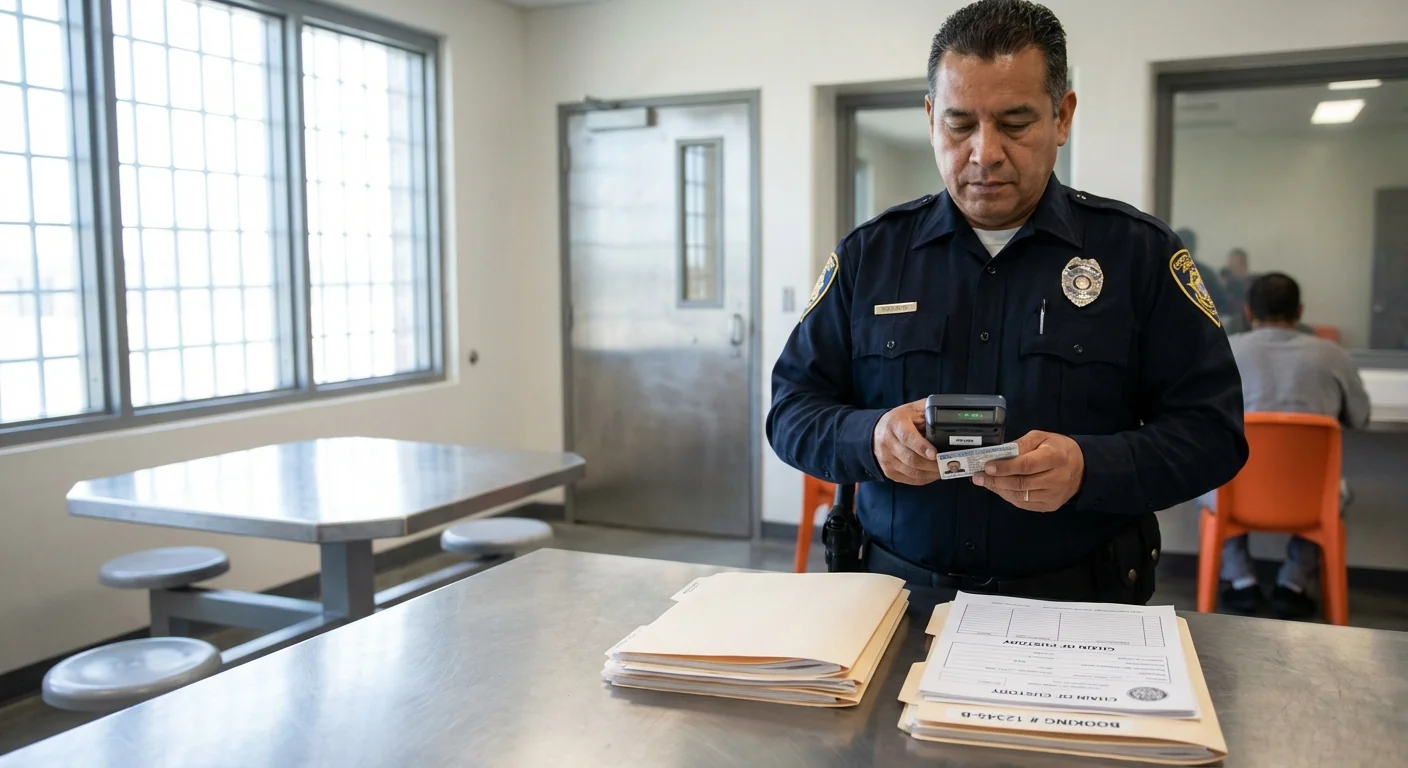
Two person verification, a documented call back to the named agency, and a digital court order are the baseline. If any one fails, the release stops.
These steps protect both the public and the person in custody. A bad release can put everyone at risk, including the detainee who could face new charges or harm. It also erodes trust in the court’s authority.
What this means for citizens and for Mangione
Citizens expect jails to be secure and courts to be in charge. A stunt like this shakes that confidence. The good news, in this case, is that staff stopped the attempt. The right checks, even if imperfect, worked under pressure.
If you ever meet someone claiming to be federal law enforcement in a public setting, you have rights too. You can ask for a name, agency, and a business card. You can call the agency’s public number to confirm. If you feel unsafe, you can ask for a uniformed local officer to respond.
For families of detainees, the safest path is through counsel and the court. Lawyers of record can confirm hearing dates, bond status, and release orders. Most jails also offer official inmate locators and hotlines for status checks.
- Verify any claimed release through the court docket
- Do not rely on documents handed to you by a stranger
- Use official phone numbers posted on agency sites
- Keep copies of any court orders your attorney receives
Mangione remains entitled to due process. That includes safe custody, lawful hearings, and a release only when a court says so.
What comes next
The impersonation case now moves to its first court appearances. Prosecutors will file a detailed charging document. Defense counsel can argue for release conditions. The judge will decide what happens before trial.
The jail’s internal review will run in parallel. Expect tightened checklists, extra training, and a memo on verification steps. County leaders may also brief the public, since confidence in the system matters as much as locks and keys.
This was a bold attempt, caught in real time. The fast arrest is important. The lesson for policy is bigger. Secure releases protect rights, courts, and communities. Getting that process right every time is not optional, it is the law. 🚓