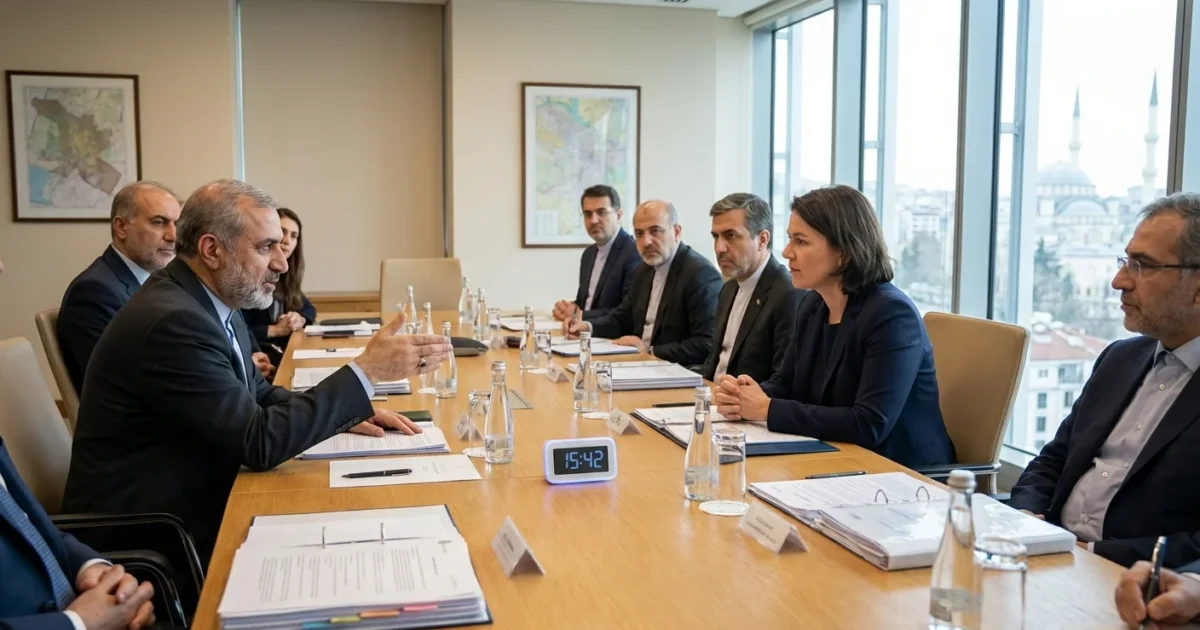
BREAKING: Iran demands “fair and equitable” talks, U.S. prepares to engage
Fair just became the watchword of a high stakes diplomatic moment. I can confirm that U.S. and Iranian officials are preparing to meet, with Istanbul under active consideration for the venue. Iran’s president is calling publicly for fair and equitable negotiations with the United States. Former President Donald Trump has issued fresh warnings of bad things if concessions go too far. The demand for fairness is no slogan. It is a legal and policy test that will shape what is possible at the table, and what is not.
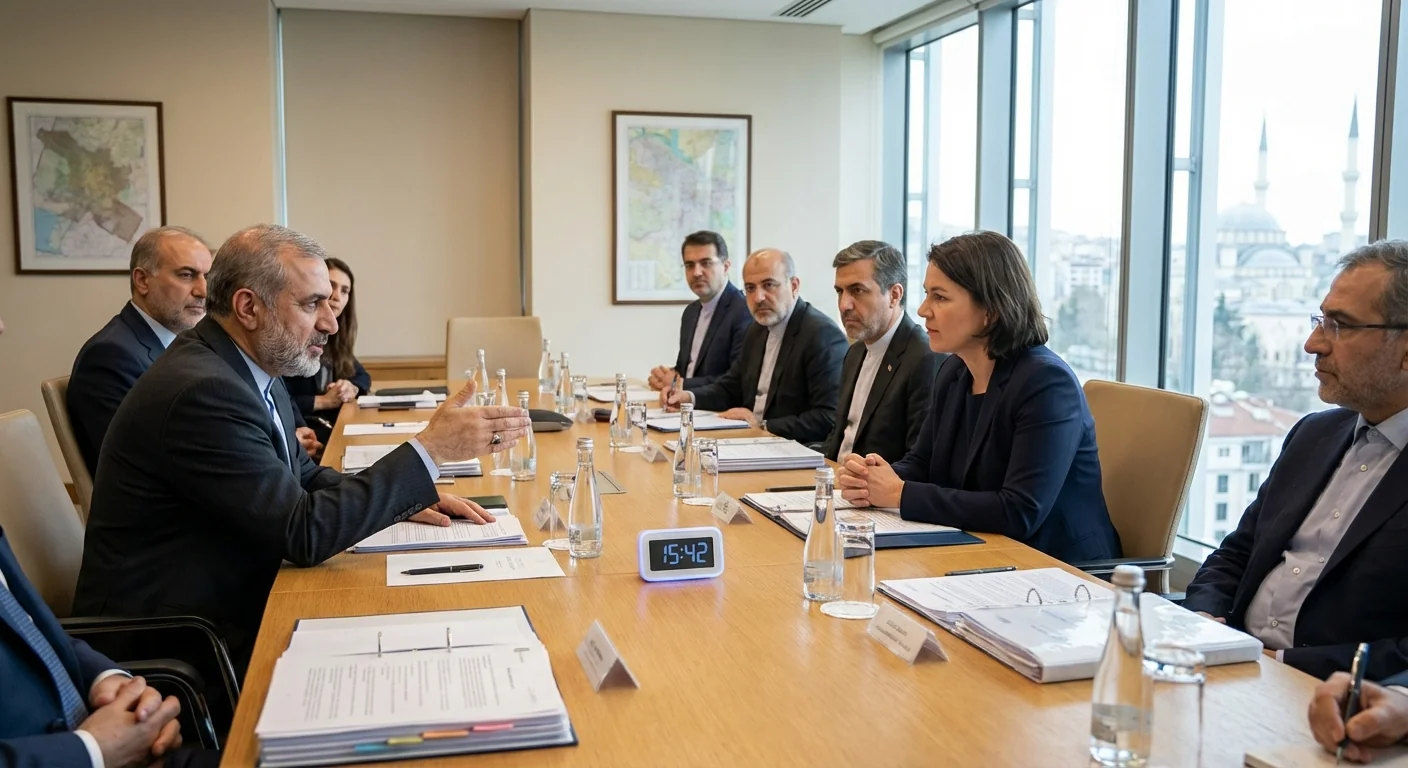
What “fair” means at the table
Words matter in diplomacy. Fair sets a frame that both sides will try to control. For Tehran, fair means sanctions relief that matches real steps on nuclear limits and regional behavior. It also means respect, direct communication, and predictable enforcement.
For Washington, fair means verifiable limits first, clear timelines, and snapback if Iran backslides. It also means protecting Americans, curbing missile transfers, and avoiding rewards for coercion. The opening line from Iran is designed to lock in symmetry. The U.S. reply will push for sequencing and proof.
The agenda behind the word
Expect negotiators to translate fair into four buckets. Nuclear steps, sanctions relief, detainees, and regional de escalation. Each bucket touches law, policy, and public accountability.
The legal guardrails
These talks will run inside strict legal lanes, not just political ones. In the U.S., the International Emergency Economic Powers Act, or IEEPA, is the main sanctions tool. It lets the President impose, waive, or license sanctions. The Treasury Department, through OFAC, writes and enforces the rules. Relief can be fast with general licenses, or slow with case by case delisting.
Congress still matters. Lawmakers can demand reports, hold hearings, and pass laws that narrow relief. Some sanctions are written into statute. The President cannot lift those without Congress. Any prisoner swap or unfreezing of funds must comply with anti money laundering rules and terrorism financing laws. The IRGC is listed as a foreign terrorist organization, which limits contacts and payments.
On the security side, the War Powers Resolution caps the use of force without Congress. That limits threats and promises both. If maritime tensions spike, the clock starts for notice and possible withdrawal.
Internationally, the old nuclear deal sat under a U.N. resolution. The U.S. withdrew, but the framework still shapes expectations. Verification will again be the core test. Inspections, access, and timelines will decide whether any relief is lawful and durable.
What “fair” could look like in practice
Fair is not about nice words. It is about matched steps that the public can see.
- Synchronized moves, small relief for concrete nuclear limits, verified in real time.
- Escrowed funds for humanitarian goods, medicine, and food, with strict tracking.
- Clear verification windows, 24 to 48 hours for site access, and quick penalties for breaches.
- Parallel detainee releases and consular access, with written timelines.
If the venue is Istanbul, expect technical teams to finalize these mechanics first. Leaders can then make the political calls fast.

If your business touches Iran, keep written records of compliance, licenses, and due diligence. Documentation is your shield.
Citizen rights and obligations
These talks affect daily lives. Americans must follow sanctions rules. Violations can bring civil fines or criminal charges. If you are a U.S. person, do not transact with sanctioned banks or people without a license. Humanitarian aid is allowed under specific licenses, but check the terms.
If you are an American with family detained abroad, you have the right to consular advocacy and to contact the State Department’s special envoy. You can petition your representatives, hold peaceful protests, and seek records under the Freedom of Information Act. If you are unfairly named on a sanctions list, you can challenge it and seek delisting with evidence.
For Iranian civilians, fair means access to medicine and food. Humanitarian channels can ease that burden if they are shielded from over compliance by banks. That is a legal design choice negotiators can make, not a favor.
Do not assume a deal is in place until rules change in writing. Sanctions remain in force until OFAC updates the law.
The politics of leverage
Trump’s warning raises domestic pressure. It narrows room for broad relief and raises the cost of missteps. The current White House knows Congress will scrutinize every concession. The same goes for Tehran’s hardliners. Each capital is using the word fair to rally its public and to pin the other side to a clear standard.
That may help. A simple principle, equal steps for equal steps, is easy to explain. It also creates a scorecard. If one side acts, the other must match, or pay a price.
What to watch next
Watch for a sequence document, even if it stays private at first. Look for fresh OFAC licenses, inspection deadlines, and names coming off or staying on sanctions lists. Watch for quiet consular moves that signal a detainee track. Most of all, watch whether fair shows up as a measurable plan, not just a speech line. If it does, these talks have a real shot. If not, both sides will say the other was unfair, and the window will close fast. The law will not bend to fill the gap, and neither will public patience.