BREAKING: Judge Delays “El Mayo” Sentencing To April 13, Citing Security Risks In Mexico
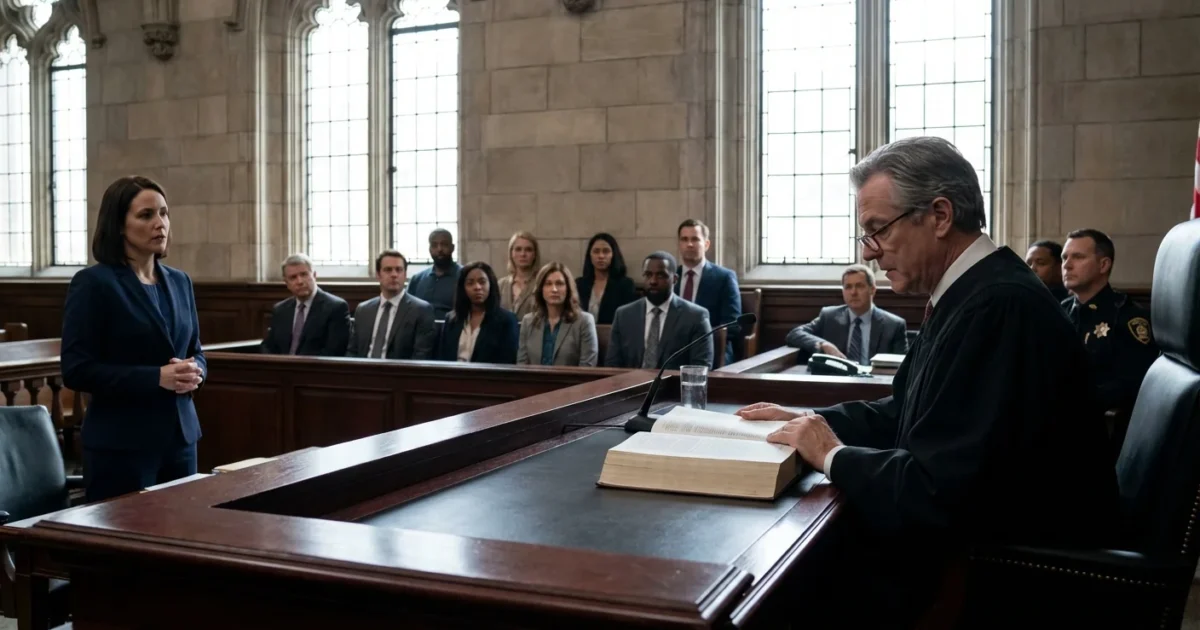
The federal judge handling Ismael “El Mayo” Zambada’s case has pushed his sentencing to April 13, 2026. I obtained the order today. The ruling signals a hard truth in cross border justice. Courts cannot safely collect key evidence when parts of Sinaloa are a war zone.
What The Court Decided, And Why It Matters
Zambada pleaded guilty on August 25, 2025 to racketeering conspiracy and running a continuing criminal enterprise. The plea deal took the death penalty off the table. A life sentence is still expected. His original sentencing date, January 12, 2026, is now vacated.
The defense asked for more time on December 9, pointing to chaos in Sinaloa. Their teams cannot reach witnesses. They cannot verify records. They cannot promise anyone will be safe. On December 11, the judge agreed. The court found the safety risk real, and the evidence important for a fair sentence.
This is not a stall. It is a test of the system. At sentencing, judges must consider all relevant facts, including mitigation. Cutting off that evidence would raise due process concerns and invite appeal. The court chose completeness over speed.
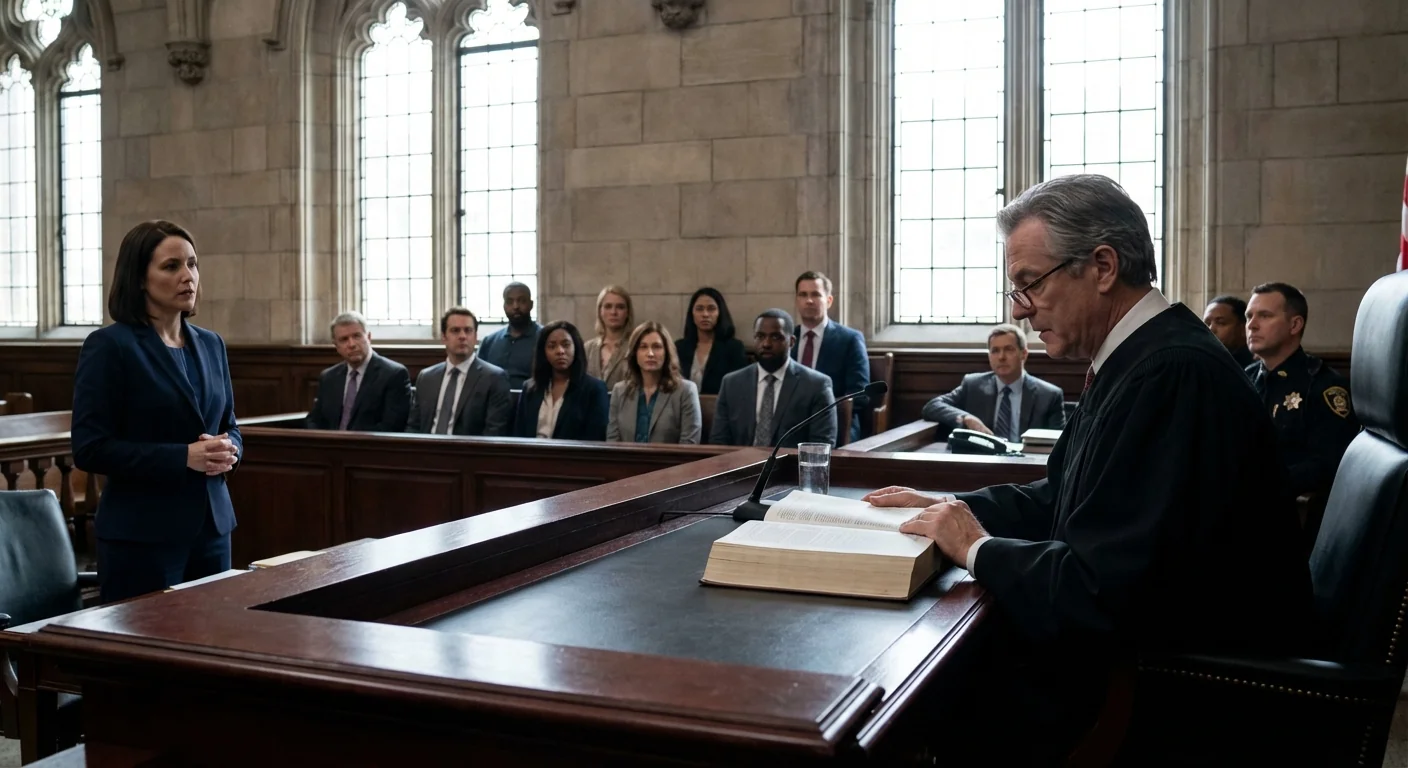
New sentencing date: April 13, 2026. Reason: safety and logistics in gathering mitigation from Mexico.
The Legal Stakes For Both Sides
Sentencing is where the law meets the full story. The judge must weigh the harm, the defendant’s history, and the public interest. That is laid out in federal law. It is also basic fairness.
Victims have rights too. Under the Crime Victims’ Rights Act, they are entitled to proceedings free from unreasonable delay. The court must balance that right with the defendant’s right to present mitigation. Today’s order reflects that balance. The judge signaled that a short delay is reasonable when violence blocks safe access to witnesses.
There are tools that can help. Protective orders can shield names. Remote testimony can reduce risk. Sealed filings can protect families. The court will likely press both sides to use these tools before April.
Delays at sentencing do not trigger the Speedy Trial Act. But the court must still avoid unnecessary holdups and protect victims’ rights.
The Security Reality In Sinaloa
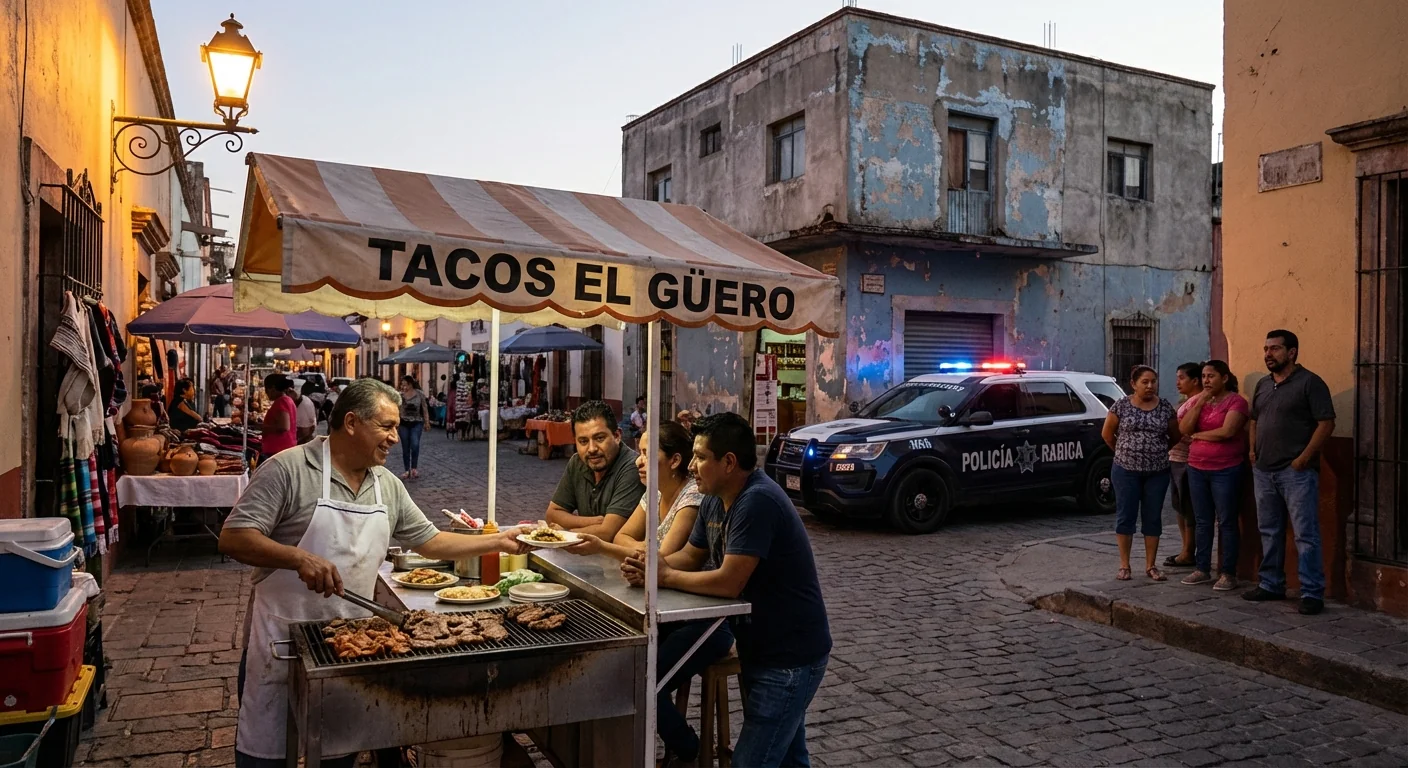
Zambada’s arrest in July 2024 shattered cartel balance. His loyalists and the “Chapitos” have been fighting for turf and cash. Entire blocks of Culiacán have seen gunfire, closures, and fear. That violence is not a headline, it is a barrier. It shapes what lawyers can do, and what witnesses will risk.
For investigators, simple tasks become dangerous. Scheduling an interview. Serving a subpoena. Confirming school or work records. Each step can expose someone to threats. That puts pressure on U.S. courts that need verified facts. It also tests Mexico’s capacity to secure zones where cartels hold sway.
The United States and Mexico have treaty tools to share evidence. But tools do not replace safe roads, trusted local partners, and witness protection that actually works. Without that, both justice and public safety suffer.
What It Means For Policy And For People
This delay should focus policymakers on practical fixes. That means more resources for cross border witness protection. It means secure channels for remote testimony. It means faster, safer evidence sharing between prosecutors in both countries.
For people in Sinaloa, the stakes are human. Families need safe streets, open schools, and honest courts. When trials in New York depend on facts from Culiacán, their safety becomes part of our courtroom.
For victims on both sides of the border, this pause is painful. It slows closure and restitution plans. But a solid record now can prevent years of appeals later. A careful sentence is more likely to stick.
Here is what to watch before April 13:
- Protective measures for witnesses, including remote testimony options
- Government plans to secure evidence collection sites in Mexico
- Deadlines for sentencing memos and victim impact statements
- Any joint steps by U.S. and Mexican authorities to protect key witnesses
Victims can submit impact statements to the U.S. Attorney’s Office or the court clerk. Ask about privacy protections before filing.
In short, today’s order is a sober reminder. Justice across borders depends on safety, trust, and time. The court chose safety and a full record. Now the governments must deliver the protection that makes both possible.