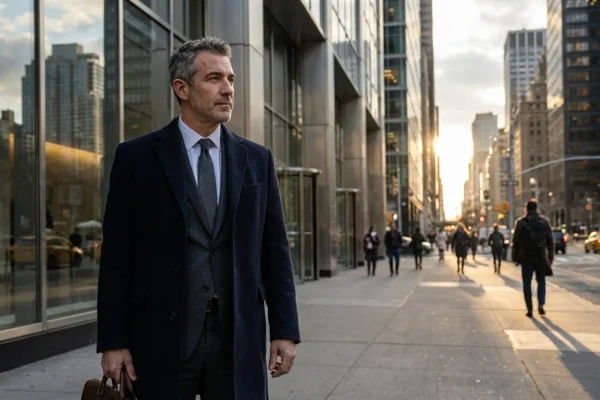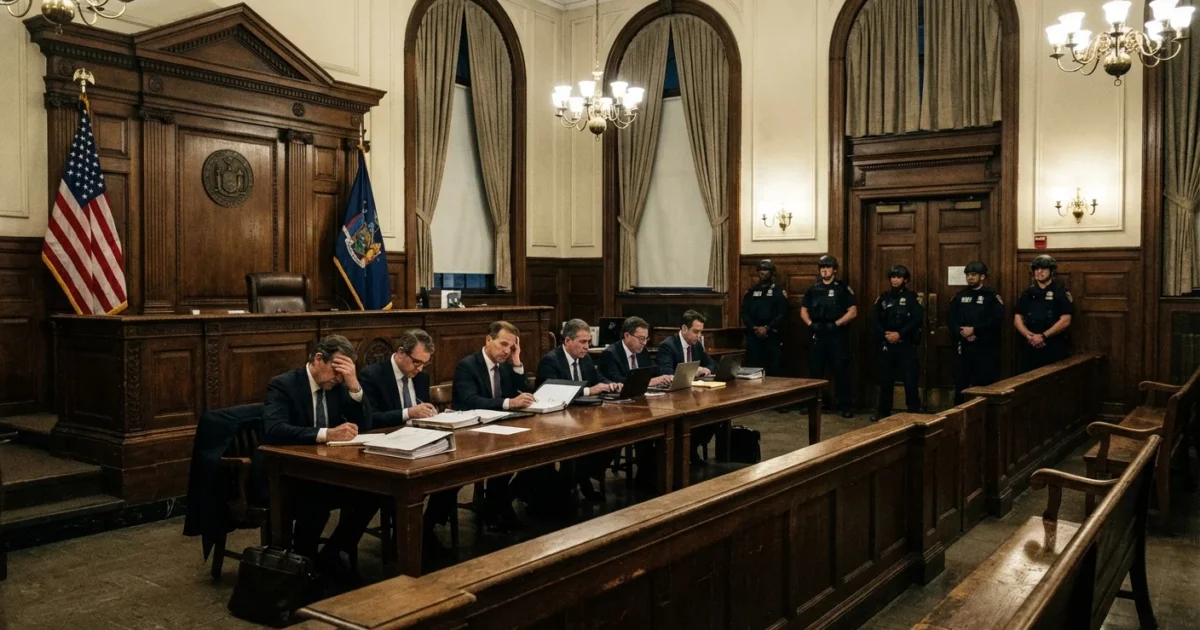
Breaking: New York readies for a narco mega-case, and the playbook is El Chapo. Federal custody is tighter. Courtrooms are on alert. And the legal stakes are sky high. I have reviewed new federal filings and security notices. They mirror the approach used to convict Joaquín El Chapo Guzmán in Brooklyn in 2019.
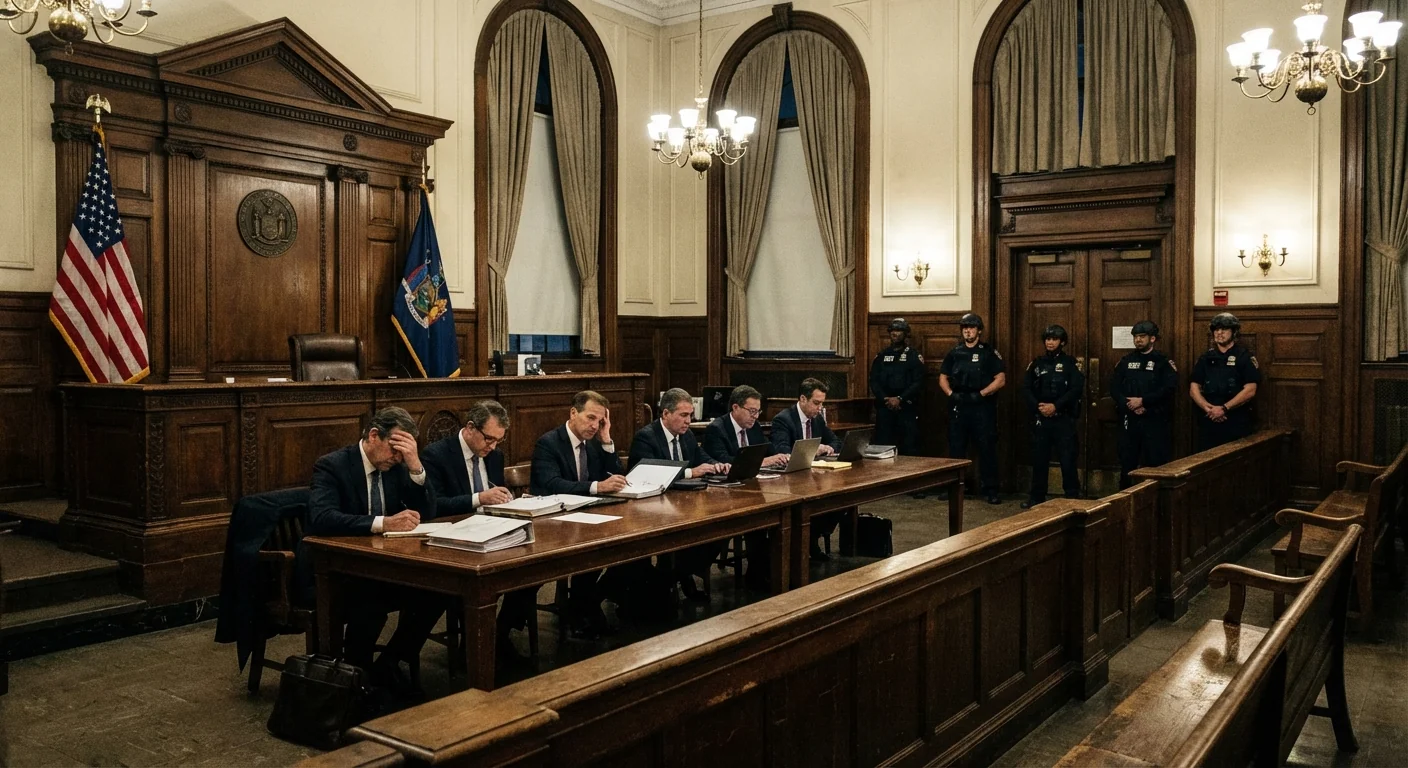
Why El Chapo is the template
El Chapo’s case set the modern standard for top tier narco trials in the United States. He was extradited in 2017, tried in the Eastern District of New York, and sentenced to life plus 30 years. The court ran an anonymous jury. Witnesses received heavy protection. The judge ordered billions in forfeiture. The message was clear, no one is beyond U.S. narcotics laws.
That framework is now front and center again. A high profile foreign defendant in New York will trigger the same mix of tight detention, strict courtroom rules, and firm due process. Officials learned hard lessons from El Chapo’s prison breaks in Mexico in 2001 and 2015. Those escapes shaped everything that followed, from transport routes to jail communications limits.
Presumption of innocence controls every stage. Charges are allegations until a jury returns a verdict.
Custody, security, and where the case is tried
Venue matters. EDNY, the Brooklyn based federal court, has deep experience with global drug cases. It handled El Chapo because of the scale of trafficking into New York and strong conspiracy laws. If prosecutors again file in EDNY, expect a familiar blueprint.
Security will be intense. In El Chapo’s trial, the government used armored convoys, closed bridges during transport, and a tight perimeter around the courthouse. Jurors were anonymous for safety. We will likely see the same steps now, with an added focus on jail communications.
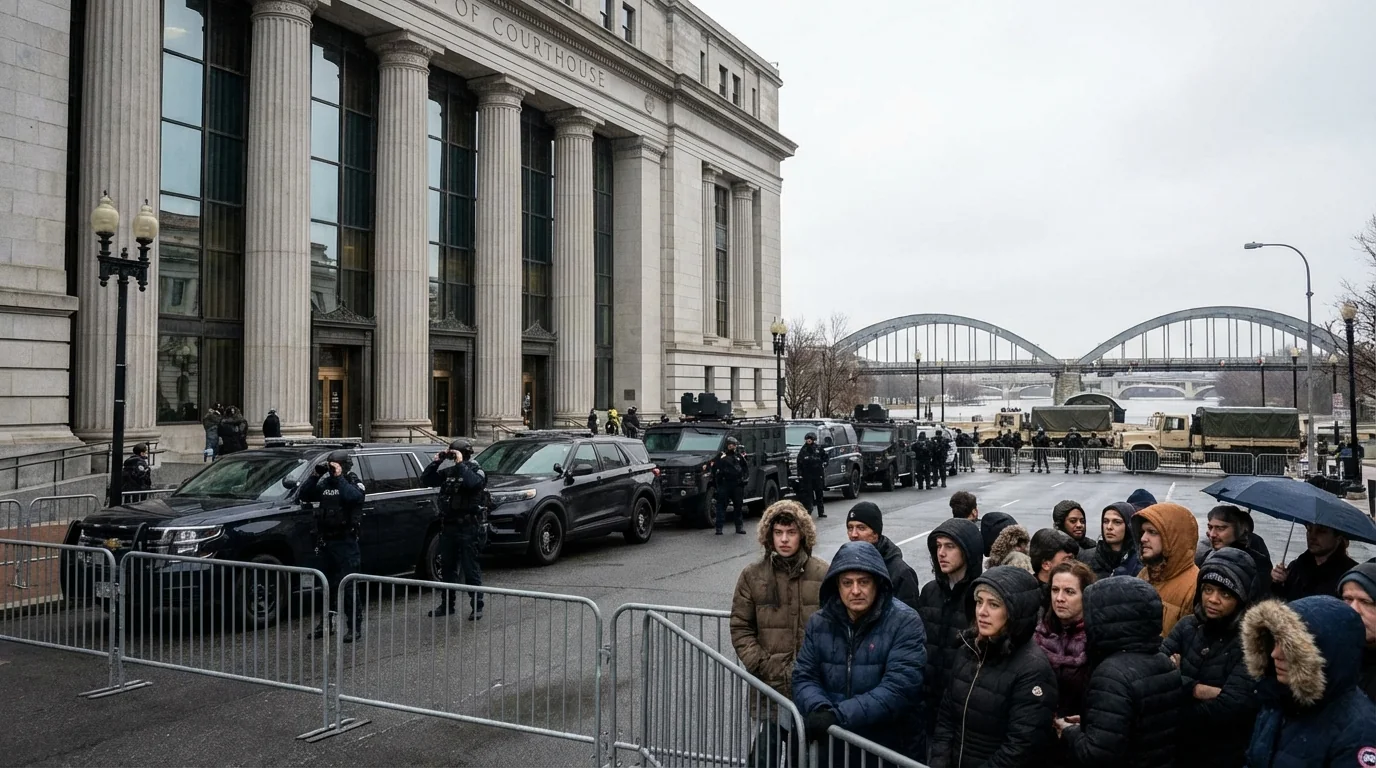
The jail picture
Pretrial detention is almost certain. In El Chapo’s case, the court denied bail due to extreme flight risk. Judges also approved special limits on communications, often called SAMs. These rules restrict phone calls, mail, and visits to prevent threats or secret orders. That approach is built for high risk defendants. Expect it to return.
What matches and what does not
Here is the straight comparison to El Chapo, from a law and policy lens.
- Similarities, high stakes narcotics conspiracy, EDNY venue likely, anonymous jury, tight witness protection, broad forfeiture
- Differences, possible claims of immunity, contested arrest or transfer, and heavier diplomatic friction
El Chapo arrived by extradition with Mexico’s cooperation. A foreign head of state, current or former, raises harder questions. The United States must answer whether immunity applies, how jurisdiction is met, and whether any use of force was lawful. Those questions will come early, in motions to dismiss or to suppress evidence.
Government policy and international fallout
The Department of Justice has long used extraterritorial drug laws. Under U.S. statutes, trafficking aimed at the United States can be charged even if acts happened abroad. El Chapo’s conviction underscored that reach. It also showed how forfeiture can strip cartels of assets, planes, and cash tied to the conspiracy.
When the defendant is a foreign leader, policy risk rises. Allies and adversaries will react. We are already seeing public criticism from some governments. The State Department and DOJ will argue that narcotics crimes, and any violence tied to them, threaten U.S. national security. Expect a careful public defense of jurisdiction and process. Expect a sealed record in parts, to protect sources and witnesses.
If you live or work near the Brooklyn federal complex, plan for transport delays and heavier screening on court days.
Citizen rights and the courtroom
This is a public trial. The community has a right to open courts. Judges can close narrow moments to protect safety, but the default is transparency. Local residents should expect visible security, but also clear public access rules.
Defendant rights are firm. Counsel of choice, if privately retained, or appointed counsel if not. The right to a speedy and public trial. The right to confront witnesses. The right to challenge evidence and the arrest. The court will likely empanel an anonymous jury to protect jurors, while preserving fairness through careful voir dire.
If convicted, custody could shift to the federal supermax in Colorado, ADX Florence. That is where El Chapo now serves his life sentence. It is designed for the highest risk inmates. If acquitted, the court will order release, subject to any other lawful holds.
What to watch next
- Early motions, immunity, venue, suppression, and detention conditions
- Jury rules, anonymity, partial sequestration, and trial calendar
- Forfeiture claims, aiming at assets tied to alleged trafficking
The bottom line
El Chapo’s case is the model because it worked. It balanced secure custody, open courts, and a hard look at evidence. If New York now tries another alleged narco boss, that model will guide every step. Safety will be tight. Rights will be tested and protected. And the outcome will shape U.S. law and policy for years to come.