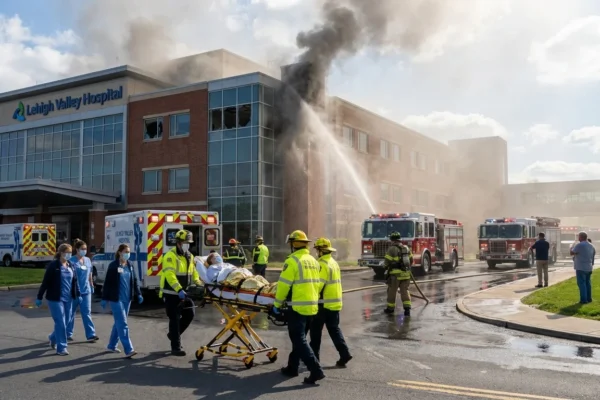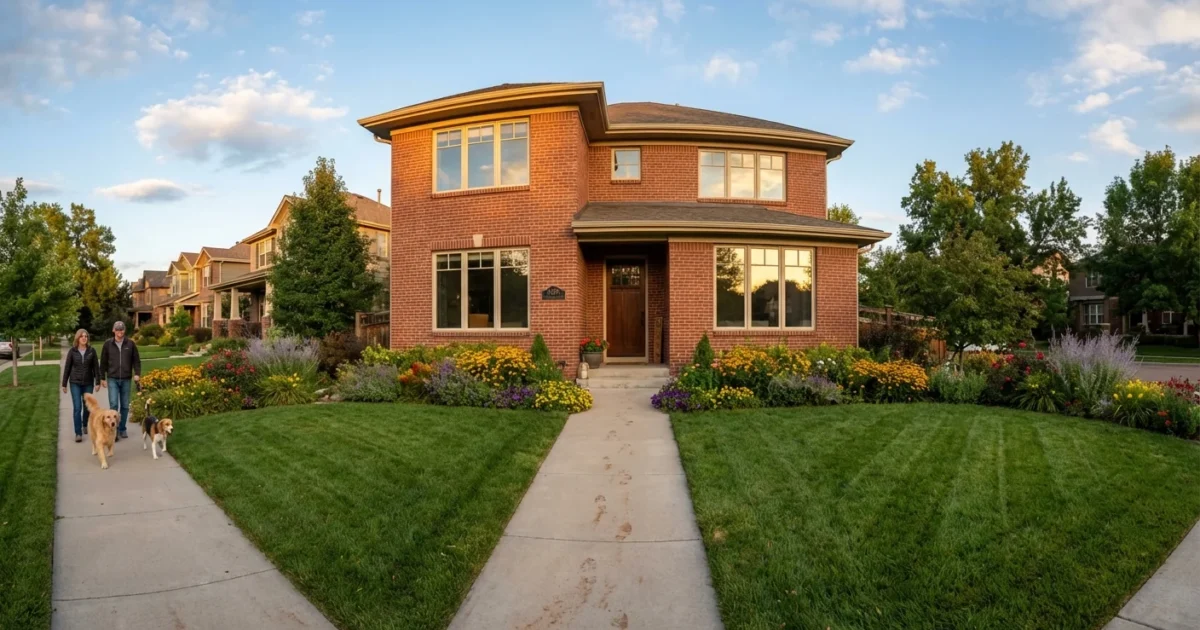
🚨 Breaking: Shelter in place near the University of Denver. Police are managing an active barricade at or near 2495 S Vine St. Streets are blocked. Officers are asking everyone to avoid the area. An emergency alert hit phones across the city, and it appears the alert went wider than planned.
What we know right now
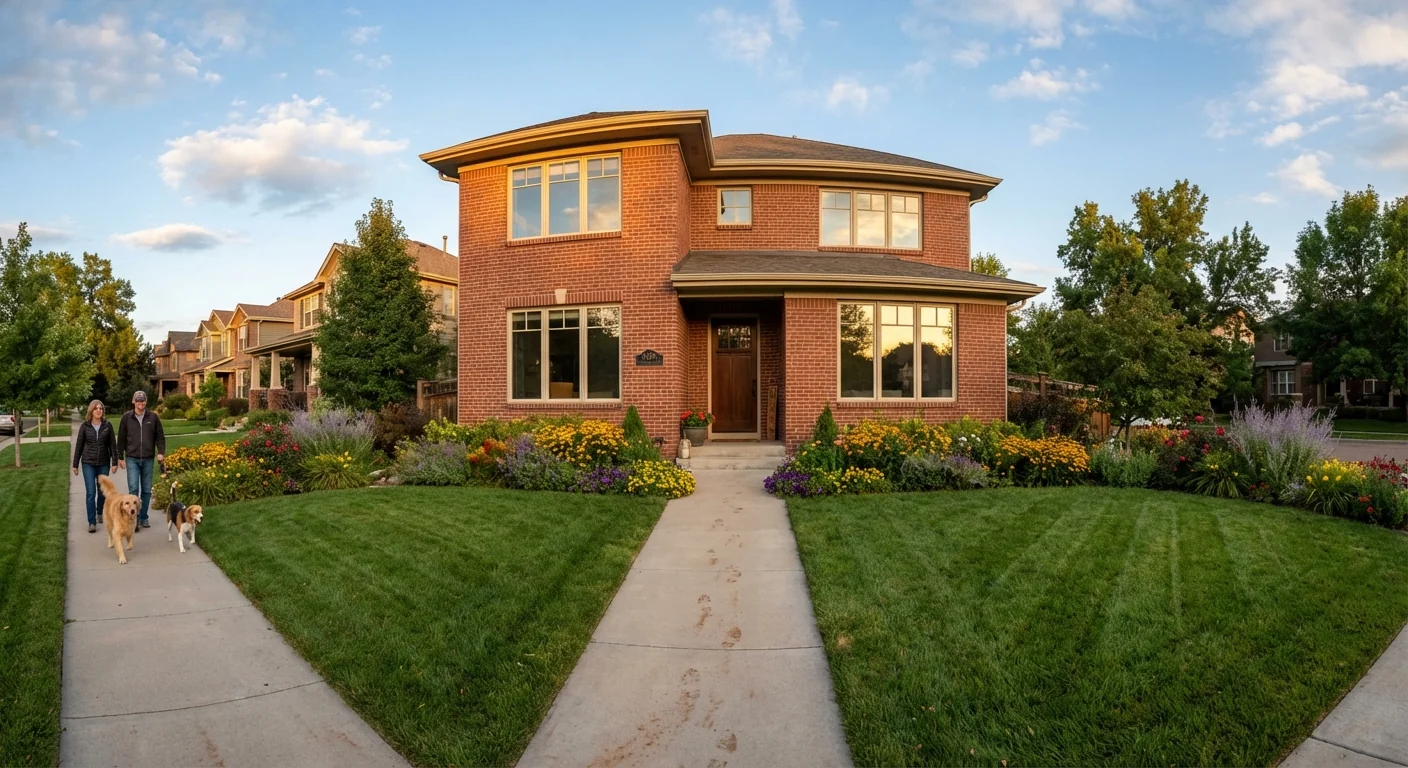
Police set a tight perimeter around 2495 S Vine St. The location sits just east of the University of Denver campus. Officers are on scene. Specialized units are present. Traffic is heavy on key arteries nearby. Drivers should expect closures and long delays.
No injuries have been confirmed. Officials have not released details on the person inside. The public has been asked to shelter in place if near the incident. Residents outside the area can carry on, but should not head toward campus.
We confirmed that phones in multiple neighborhoods received the alert. Some were well outside the immediate zone. That overshoot sparked confusion, and led to parents and students scrambling for answers.
Legal authority, and your rights
Police have broad power to secure a scene for public safety. They can close streets, restrict access, and direct people to leave public areas near the threat. A shelter in place advisory is typically guidance, not a criminal order. If officers order evacuation inside a danger zone, that directive carries legal weight.
You still have rights. You may remain in your home unless told to evacuate from a defined zone. You can record police in public from a safe distance. Officers may not enter a home without consent, a warrant, or an emergency that demands immediate action. Medical needs matter. If you must travel for urgent care, state that need clearly to officers at a checkpoint.
If you are a DU student or staff member, federal law is in play. The Clery Act requires timely warnings or emergency notifications when there is a significant threat on or near campus. Expect official campus messages, not just city alerts. Those messages should be clear, quick, and repeated.
Follow lawful commands inside the secured perimeter. Stay clear of lines of sight, and do not interfere with operations.
The alert that reached too far
Tonight’s emergency alert appears to have reached people far from 2495 S Vine St. Many recipients were not near DU. That kind of wide blast raises policy questions. It also can dull public trust. People learn to mute or ignore alerts when they do not match what they see outside.
Government agencies use the federal IPAWS system to send Wireless Emergency Alerts to phones. They draw a polygon on a map to target the message. Federal rules require tight geo‑targeting to the best of the carriers’ ability. The goal is to keep alerts near the hazard, usually within about a tenth of a mile of the chosen zone. When alerts overshoot, several things may be at fault. The polygon may be too large. Carrier settings may lag. Tall buildings can affect location data.
Denver should conduct a rapid review. That review should confirm the size and shape of the targeted area. It should assess carrier performance. It should also look at language access, timing, and follow‑up instructions.
[IMAGE_2]
- Key questions officials should answer:
- How large was the alert polygon compared to the actual perimeter
- Were Spanish and accessibility options provided
- Did the alert include clear next steps and an end time
- How will corrections be sent if the scope was too broad
Enhanced geo‑targeting is not optional. Agencies and carriers must keep alerts as local as technology allows, and document that effort.
Accountability and next steps
Transparency does not wait for a final report. The city can release a short incident update tonight. That update should say what happened, what area is affected, and how long the disruption may last. When the scene is safe, the department should post an after‑action summary. That summary should explain the alert scope and what will change next time.
Colorado’s open records law applies here. Residents can request the alert text, the map polygon, and internal emails that guided the decision. Radio traffic, call logs, and closure maps are also subject to disclosure with narrow limits. Body camera footage from this incident may exist. If there is a use of force or a complaint, state law pushes for release on a defined timeline.
If you were affected, document your experience. Note the time you received the alert and your location. Save any campus notifications you got. This helps build the record officials will review.
Take a screenshot of the alert on your phone. It can support a records request and shape policy fixes.
For the community
Clarity protects lives. Precise alerts prevent panic. DU students need rapid campus notices that match city guidance. Families need consistent language and a clear end signal when the shelter lifts. People with disabilities need accessible formats. Multilingual alerts help neighbors who do not read English well.
The bottom line
Police are working to end the barricade safely at 2495 S Vine St. The public should avoid the area until the all clear. Tonight also exposes a larger issue. Alerts must be local, clear, and fair. When they reach too far, trust suffers. We will keep pressing for answers on geo‑targeting, campus notifications, and the balance between safety and rights. Public safety and civil liberties can both win, if leaders fix the system that woke half the city for one block.