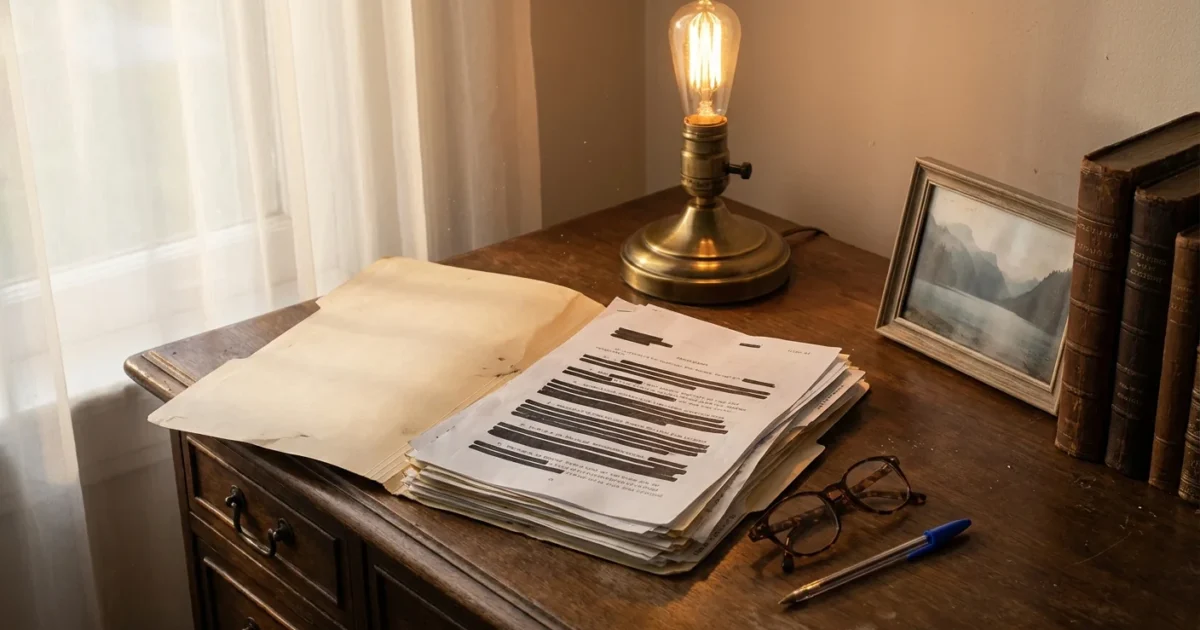
The Justice Department has begun to publish the long awaited Epstein files, and I am reviewing the first wave as it goes live. The records are substantial. They mark a new phase in public access to the federal investigation around Jeffrey Epstein, his associates, and the years of litigation that followed his arrest and death. This release will roll out over days, not hours, officials say, as teams process and redact sensitive material. The public finally gets a closer look. The story is not finished.
What is being released now
The first materials include court filings, investigative records, and related correspondence. Many pages carry black bars. That is expected. These files come from multiple cases and agencies, so the mix is uneven. Some items will be familiar to court watchers. Others have never been public in this form.
Do not mistake volume for clarity. Redactions remove names, locations, and methods. That protects victims, witnesses, minors, and ongoing inquiries. It also limits the context in important ways. Reading these records takes care and patience.

Redactions are not a cover up by default. They are required by privacy laws, grand jury secrecy, and safety concerns.
What the files show, and what they do not
These documents map how the government built its cases. They show requests for warrants, debate over evidence, and the flow of civil suits. You will see timelines, contact logs, and exhibits. You will also see blank spaces where key facts should be.
They do not announce new charges. Publication is not prosecution. If prosecutors are weighing new actions, they will not preview that in a public dump. If civil cases are still active, these pages may shape them, but they do not decide them.
Here is what to watch for as more pages drop:
- How often the same names appear in different files
- Where investigators hit dead ends, and why
- Which civil claims were settled, and on what terms
- Gaps between what was alleged and what was proved
Read the cover pages and index lines first. They tell you what a file is and what it is not.
The legal ground beneath the release
The government must balance transparency and privacy. That balance is not optional. Federal law protects the identities of minors and victims. Grand jury material stays sealed unless a judge orders otherwise. Active investigative steps do not get disclosed in real time.
For civil litigants, these records may be fuel. Plaintiffs can point to exhibits, timelines, and statements. Defense counsel can challenge context, credibility, or chain of custody. Expect motions to follow in courts that still have open Epstein related matters.
For potential criminal exposure of associates, nothing changes by itself. Prosecutors still need admissible evidence. Statutes of limitation, venue, and conspiracy rules all matter. State prosecutors may also act if state laws were broken. The bar for criminal charges remains high.
Naming people who are not charged can cause harm. Do not assume guilt from a name in a file. Defamation law still applies.

Timeline, process, and how to follow along
Justice officials say the complete public release could take a couple of weeks. Files will post in batches. Some batches may add context to earlier fragments. Others may raise new questions without answers. That is a normal feature of rolling disclosure.
If you want to track the record flow in a smart way, use a simple plan:
- Read each batch’s index or cover sheet before diving into exhibits.
- Note document dates to build a basic timeline.
- Flag repeated names or locations for later cross checking.
- Revisit earlier files after each new batch posts.
If you believe a redaction hides information that should be public, there is a path. You can request records under the Freedom of Information Act. You can also seek review of redaction choices. That process takes time, and privacy rules still apply.
What this means for citizen rights
You have a right to know what your government did in this case. You have a right to question choices, ask for more detail, and demand accountability. You also have duties. Respect the privacy of victims. Respect due process for anyone not charged. Be careful before you share a claim, a screenshot, or a name. Small errors can do big harm.
The system can feel slow. It is slow on purpose. Careful review protects real people. It also preserves the integrity of any future case. Justice requires both sunlight and restraint. We need both today.
Conclusion
This release opens the door to a deeper record of the Epstein investigations. It does not close the book. I will continue to analyze each batch as it arrives, separating what the documents actually say from what they only suggest. Watch for patterns, mind the redactions, and keep your focus on law, policy, and rights. That is how we turn files into public accountability. 🧭