Breaking: Ice Protests Erupt Nationwide After DOJ Opens Inquiry Into Minneapolis Killing
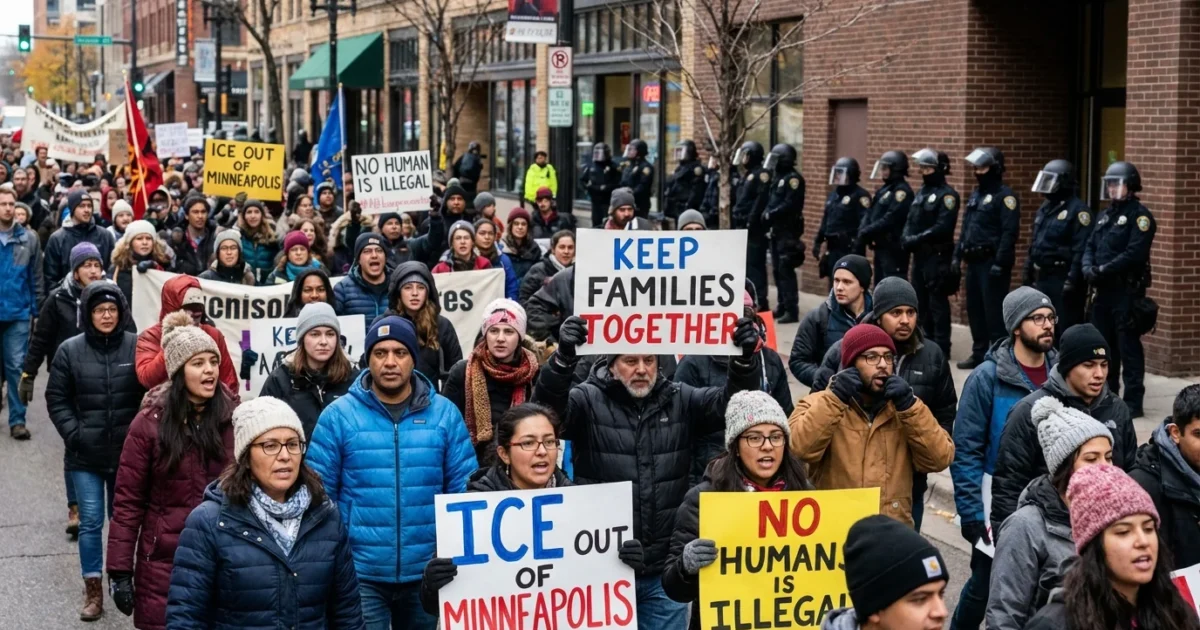
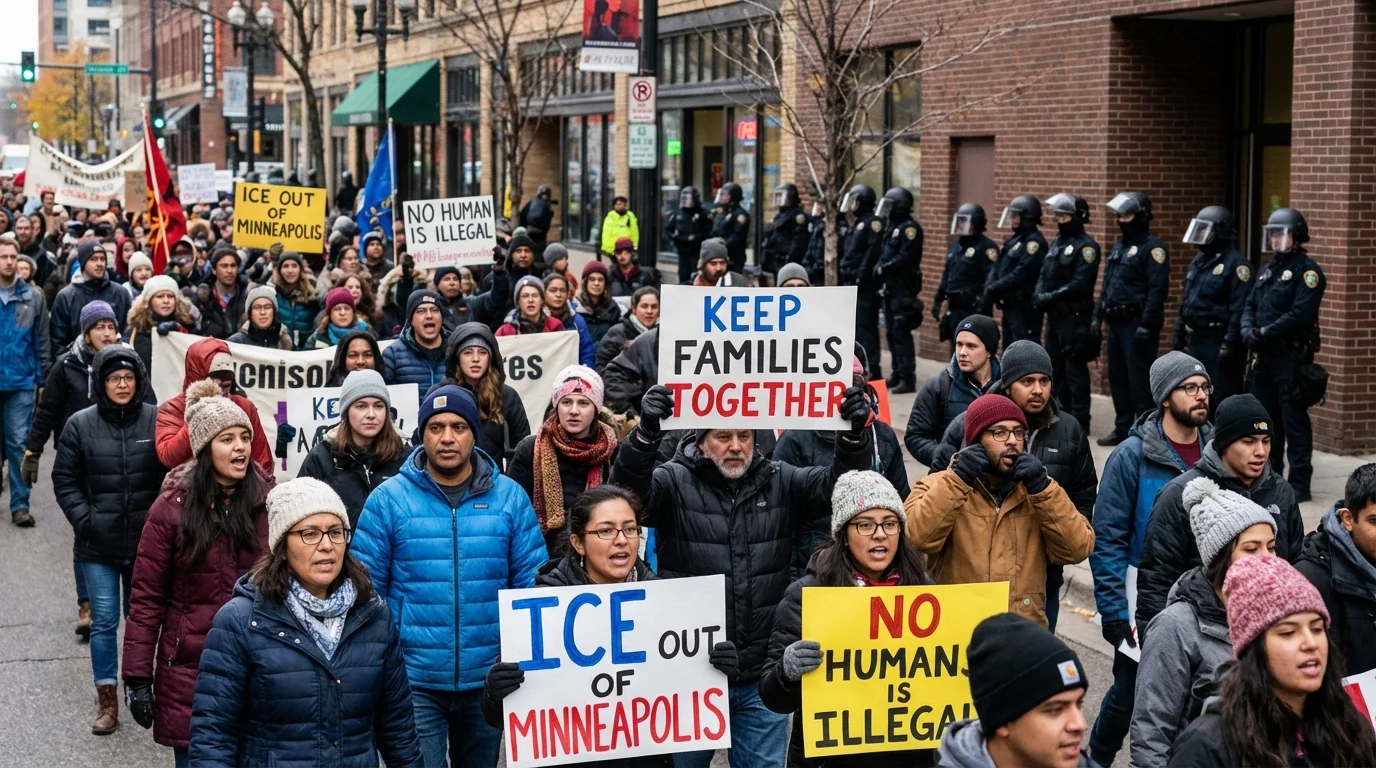
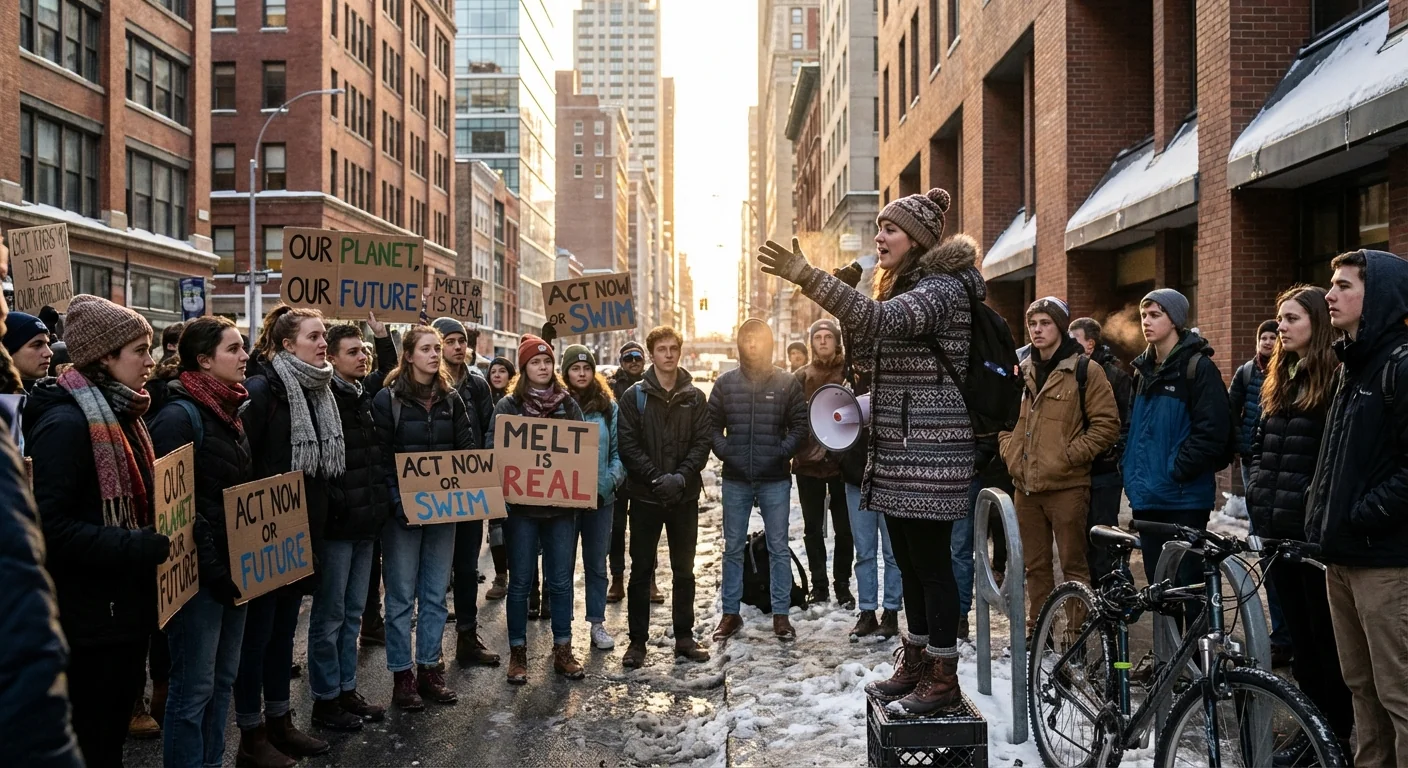
The streets filled fast. Chants rose over sirens. I am on the ground in Minneapolis, where thousands are rallying after the fatal ICE operation that left Alex Pretti dead. Within hours, the Justice Department opened a formal inquiry. That move set off a wave of demonstrations in cities across the country. The focus is sharp, accountability and the rules that govern immigration enforcement.
What Sparked This And What Investigators Are Probing
The fatal encounter in Minneapolis is now the center of a federal review. Justice Department investigators are examining how the operation was planned and carried out. They are looking at use of force, the legal basis for the stop, and any surveillance used before the arrest attempt. They are also asking if agents followed internal policy, including whether body camera footage exists and how it was preserved.
The inquiry can take several forms. It may include a criminal civil rights investigation into individual agents. It can also trigger a broader policy review of ICE enforcement tactics. Federal investigators will request reports, radio logs, and witness statements. They will review any video, from bystanders or government cameras. If misconduct is found, referrals can go to prosecutors, the Department of Homeland Security inspector general, or both.
A federal inquiry does not pause ongoing ICE operations. It does change how evidence is handled and how supervisors review future operations.
The Legal Stakes For ICE, Cities, And The Public
Legally, the stakes are high. If agents violated civil rights laws, they could face criminal exposure. Administrative discipline is also on the table, including suspension or termination. If policy gaps surface, DHS can issue new guidance on force, planning, and oversight. Congress may demand briefings and records. Courts could see new lawsuits over damages and policy changes.
Cities face their own legal choices. Local leaders are reviewing how their police coordinate with ICE. That includes information sharing, joint task forces, and traffic support during operations. Any assistance must comply with local laws. It must also respect the First and Fourth Amendments. If a city violates those rights, it risks lawsuits and injunctions.
Protest activity sits under well known rules. People have a right to assemble and speak. Officials can impose time, place, and manner limits for safety. Those limits must be content neutral and clear. Blocking freeways, ignoring lawful orders, or damaging property can lead to arrest. Courts will be watching how police enforce these limits tonight and in the days ahead.
If police declare an unlawful assembly, dispersal orders can come fast. Listen for clear commands and exit routes to avoid arrest.
Know Your Rights During ICE Encounters And Protests
Confusion fuels risk. Here is what citizens and residents should remember when they meet federal agents or join a march:
- You can remain silent. You can ask for a lawyer if questioned.
- Do not open the door to a home without a warrant signed by a judge. Administrative ICE forms are not enough.
- You can ask to see any warrant, and read it, through a closed door.
- You can record public officials in public places, as long as you do not interfere.
- During protests, keep to sidewalks or permitted routes when directed.
Carry a charged phone, an ID if you choose, and a contact for legal help. Write numbers on paper in case your phone dies.
The Policy Fight That Now Moves To Center Stage
The protests are not only about one fatal incident. They challenge how ICE operates day to day. That includes where operations happen, who is a priority, and what oversight exists. Advocates are pushing for strict limits on enforcement near schools, hospitals, and places of worship. They are pressing for clear rules on when force is allowed and how it is reviewed. They want stronger data reporting to the public.
Lawmakers are already floating changes. Some are calling for body cameras on all field teams, with fast release of footage after critical incidents. Others want tighter rules on detainers, data sharing with local police, and courthouse arrests. City councils are weighing ordinances that narrow when local resources can support federal enforcement.
Here are the reforms protesters and several policymakers are advancing right now:
- Mandatory body cameras with prompt footage release after serious incidents.
- Public reporting on every planned enforcement action that involves force.
- Limits on operations at sensitive or protected locations.
- Independent civilian review of complaints against federal task forces.
What Happens Next
Inquiries like this move in phases. Investigators will secure evidence, conduct interviews, and assess use of force against federal standards. If they find potential criminal conduct, a grand jury can be convened. Separately, DHS can launch internal reviews and adjust policy quickly. On the civic side, expect emergency hearings at city hall and the state capitol. Courts may see urgent filings for records and injunctions tied to protest policing.
Tonight, the public square is doing its job. People are pressing for answers, and government has the duty to give them. The law protects speech and demands accountability. The DOJ inquiry will test both. As the streets quiet and the paperwork begins, one question guides all of this, what rules should govern the most powerful tools the state can use. The answer will shape policy, and people’s lives, far beyond Minneapolis. ⚖️