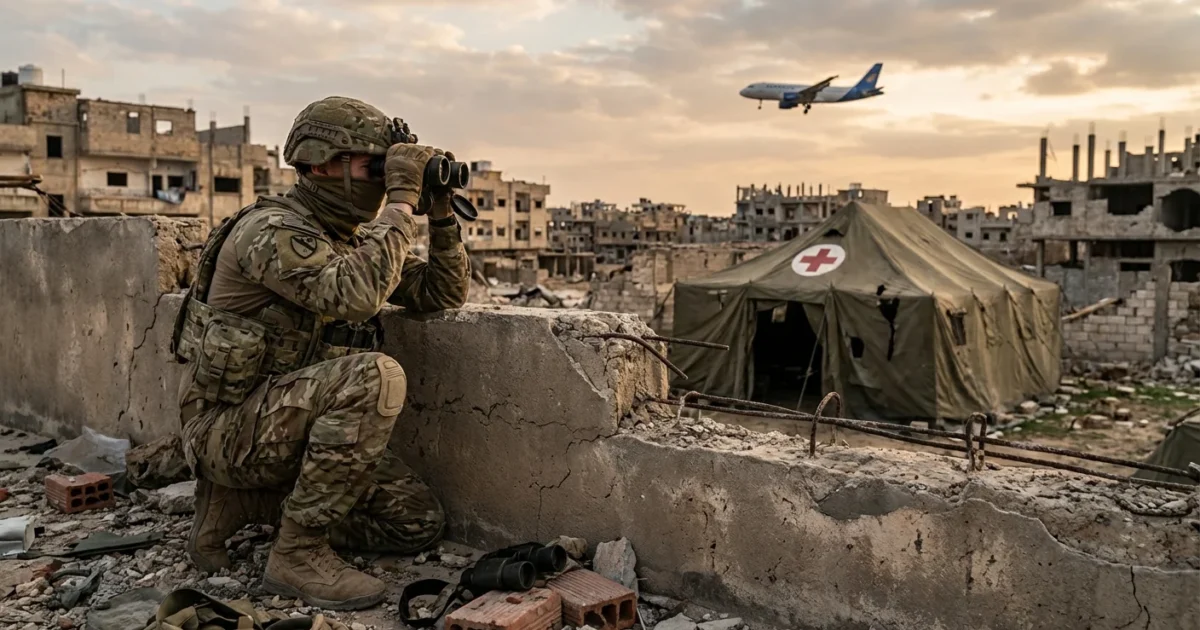
Perfidy is back in the headlines, and the stakes are high. My reporting today confirms that a recent U.S. maritime strike used an aircraft that appeared civilian to observers during the operation. That detail matters, because if a platform is used to look civilian to earn trust and then attack, the law of war calls that perfidy. Perfidy is banned. The facts, and the intent behind them, now carry real legal weight.
What perfidy means, in plain terms
Perfidy is a legal word with a simple idea. It means killing or injuring by pretending to have protected status. Think pretending to be a civilian, a medic, or a person surrendering, then opening fire. International humanitarian law bans this conduct. It is set out clearly in the rules of war, including Article 37 of Additional Protocol I. The United States is not a party to that treaty, but the core rule against perfidy is widely accepted. The Pentagon’s own Law of War Manual prohibits it.
Not all deception is illegal in war. Ruses are allowed. Armies can use camouflage, decoys, and misinformation. They can mislead the enemy about timing and location. The line is crossed when a force pretends to be protected under the law to gain a lethal advantage.
- Perfidy: faking civilian, medical, or surrender status to attack
- Lawful ruse: camouflage or decoy that does not claim protected status
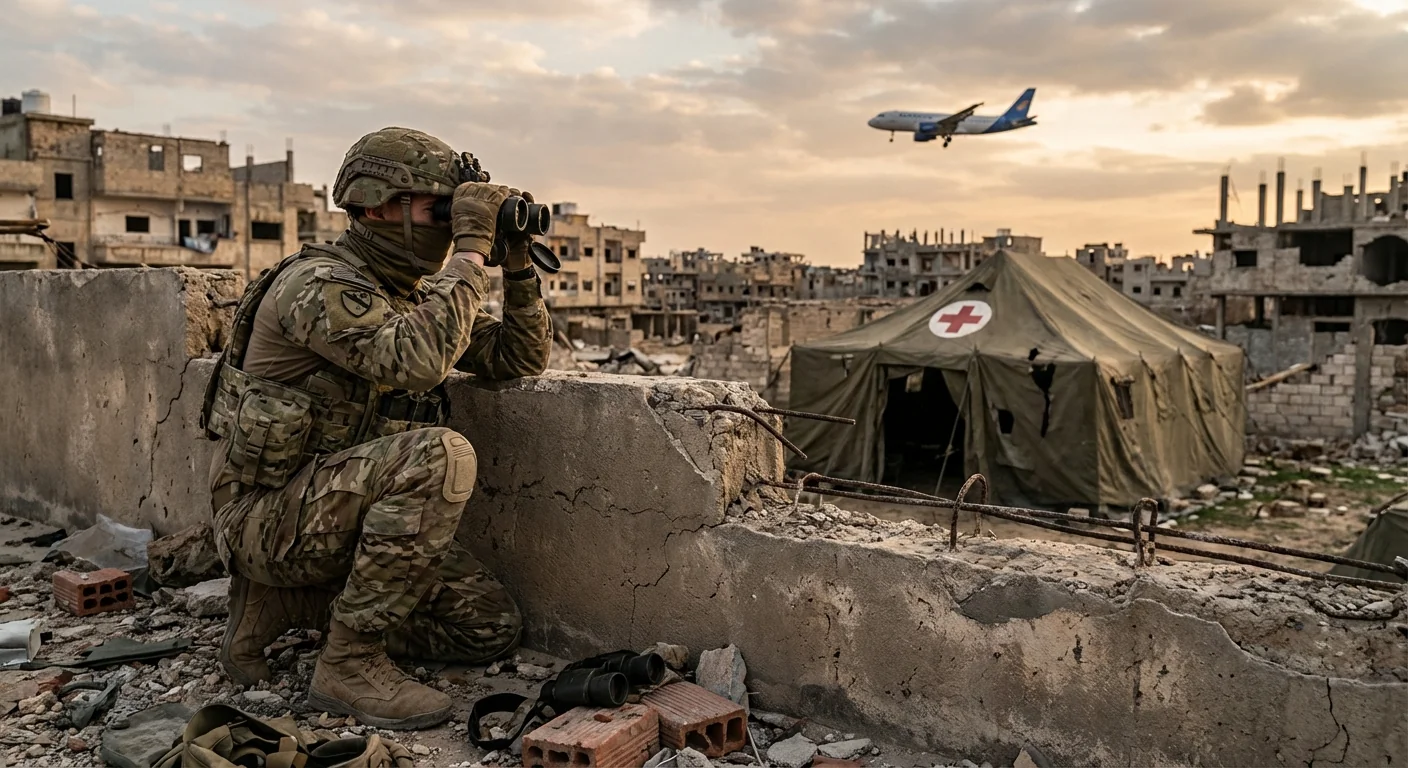
- Clear violation: using the Red Cross emblem to ambush
- Serious risk zone: presenting as a civilian plane to get close, then strike
What we know about the reported tactic
Here is what my newsroom has confirmed today. A U.S. operation targeting a boat involved an aircraft that looked civilian to observers. Officials would not say what the platform was. They would not describe the markings, the transponder behavior, or any livery. They also declined to detail the rules of engagement used.
Key legal questions now frame the analysis. Was the aircraft deliberately presented as civilian to invite the enemy’s confidence? Did that apparent status help carry out the strike? Did it result in death or injury? If the answer to all three is yes, the law of war flags perfidy.
If the aircraft only used general deception, like flying low or masking radar signature, that can be a lawful ruse. If it carried no civilian markings and did not claim civilian status, it leans legal. If it broadcast a civilian identifier, mimicked a passenger jet, or used a known airline look, the risk shifts sharply.
The core test is intent plus effect. Did feigned protected status invite trust that led to a lethal act?
The legal stakes for Washington
The Department of Defense bars perfidy in policy and practice. Commanders must ensure distinction between military and civilian objects. If an aircraft was used to look civilian in order to attack, several legal tracks could open.
First, the Pentagon can launch a command investigation. That can examine approvals, markings, signals, recordings, and target review. Second, the Uniform Code of Military Justice allows prosecution of law of war violations. Courts‑martial can reach service members and, in some cases, contractors. Third, the Department of Justice can review conduct under the War Crimes Act if the facts fit the statute. Congress also has oversight tools, including hearings, subpoenas, and reporting requirements tied to the law of armed conflict.
Policy risk is bigger than a single strike. If combatants blur the line between civilian and military aircraft, civilians may face greater danger. Adversaries could distrust real civilian flights, which threatens international aviation safety. That pulls in coordination with the FAA and global aviation bodies. It also affects coalition partners, who must trust that U.S. tactics protect humanitarian space.
What citizens should watch and do
Transparency matters now. The public has a right to clear answers about tactics that might endanger civilians or violate the law of war. You can ask for facts without revealing sensitive sources or methods.
- Ask your representatives to request a formal Pentagon review and a public summary
- File targeted FOIA requests for legal guidance and after action reports
- Track any updates to the Law of War Manual and rules of engagement
- Support whistleblower protections for lawful disclosures to inspectors general
Focus your questions. Ask about markings, transponder modes, and whether the aircraft claimed civilian status at any point.
Veterans, pilots, and maritime workers also have a stake. They live the risk when lines are blurred. Professional groups can press for briefings and safety advisories. Civil society can monitor whether humanitarian groups, like medical NGOs, face new constraints in air or sea corridors.
The bottom line
Perfidy is not a technicality. It is a bright line meant to shield civilians and protect trust in protected symbols and platforms. My reporting confirms that an aircraft that appeared civilian took part in a U.S. strike on a boat. Whether that was a lawful ruse or an unlawful act turns on intent and effect. The government owes a clear account of markings, identifiers, and approvals. The law provides tools to investigate and, if needed, to hold people accountable. The facts will decide. We will keep pressing for them.