


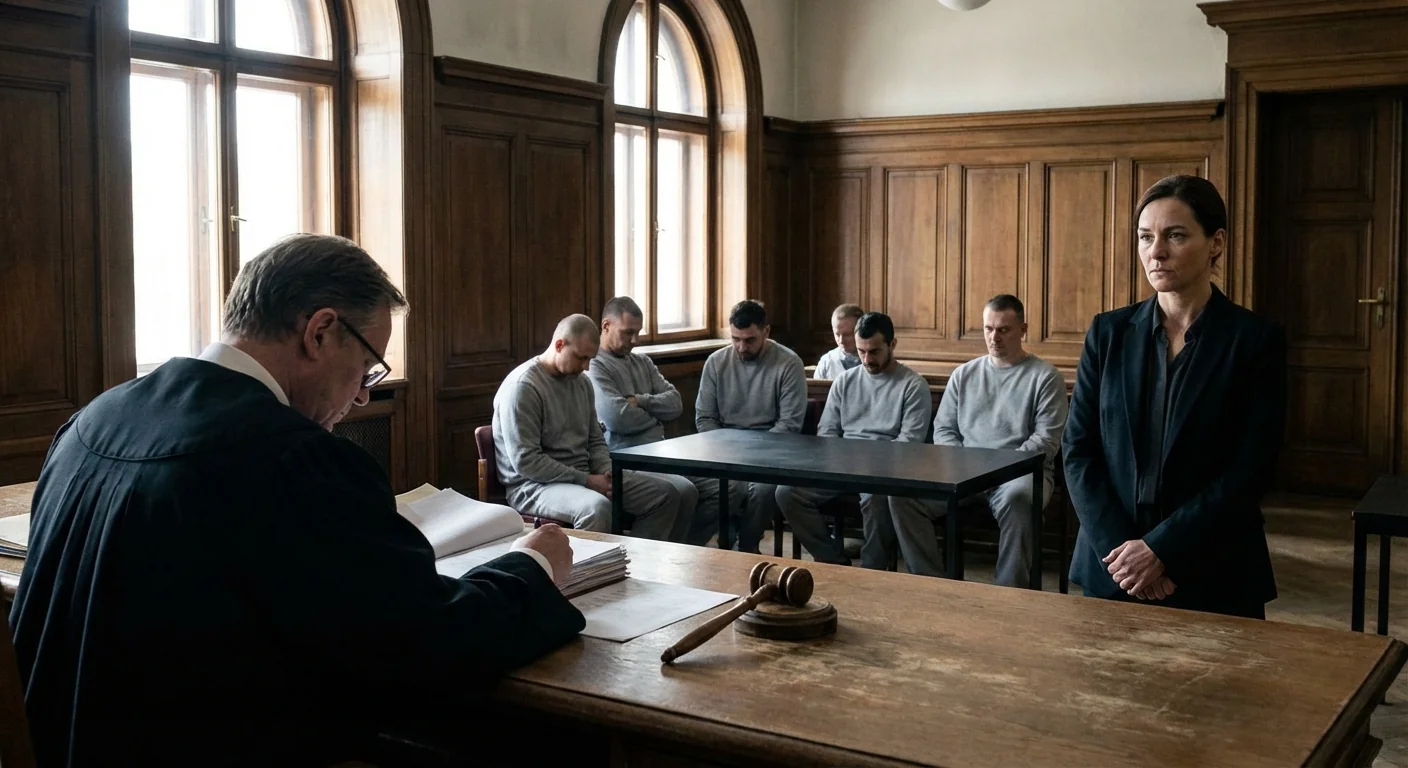
Breaking: Acquittal for Dileep, convictions for six others. The Ernakulam Principal Sessions Court has split the 2017 actress abduction and assault case down the middle today. I confirm from inside the courtroom that actor Dileep, also known as P. Gopalakrishnan, has been acquitted. The court held the prosecution did not prove conspiracy beyond reasonable doubt. Six other accused, including prime accused Pulsar Suni, have been convicted. Sentencing for the convicted is set for December 12.
What the court decided today
The court cleared Dileep of charges linked to conspiracy. The judge said the link between him and the plot was not proved to the level the law demands. That level is high. It must be beyond reasonable doubt.
At the same time, the court found six men guilty of serious crimes. These include abduction, sexual assault, and related acts. This confirms the attack happened, and that the survivor’s account stood on core facts. The court will hear arguments on punishment on December 12. The defense and the prosecution will argue about how long the sentences should be.
Key dates: Verdict on December 8. Sentencing of six convicted accused on December 12. State appeal against Dileep’s acquittal to follow.

Why this split verdict matters
The ruling shows how Indian criminal law separates guilt. Each person’s role must be proved on its own. Group blame is not enough. For conspiracy, courts look for a clear meeting of minds. They look for direct acts that tie the person to the plan. The judge said those links were not strong enough for Dileep.
But the convictions send a sharp message. The court accepted the survivor’s core story and the evidence of crime. For survivors across India, that part matters. It says the system can still name and punish attackers, even in complex, high-profile cases.
The verdict also raises a hard civic question. How do we treat an acquitted person while respecting a survivor who has been harmed? The law answers with two firm rules. A person acquitted walks free of the charge. A survivor of sexual violence has a right to dignity, privacy, and protection.
Do not share the survivor’s identity. It is a crime to reveal it. Respect the law and her privacy.
The road ahead: appeal and sentencing
Kerala’s government has announced it will appeal Dileep’s acquittal. The state can challenge an acquittal in the High Court under criminal procedure law. It must first get the High Court’s leave to appeal. The state will argue that the trial court misread parts of the record. It may say the court set the bar too high on proof of conspiracy. Dileep will oppose these claims.
What will the High Court likely test in such an appeal?
- Whether the trial court applied the correct standard of proof
- Whether it weighed key witness testimony the right way
- Whether it ignored admissible electronic and circumstantial links
- Whether the chain of events supports a clear inference of a plan
Sentencing for the six convicted men will weigh harm, planning, and cruelty. The court will also hear about their past records, if any. The survivor can place a victim impact statement. The court can treat that as an important factor. Prison terms under these offences can be very high.
Citizen rights and duties in a high-stakes case
The survivor has a right to privacy and dignity at all stages. The law also protects witnesses. The state can use the Witness Protection Scheme to reduce fear and pressure. Citizens should report threats or leaks to the police and the court.
Accused persons have a right to a fair trial and to appeal. An acquitted person is not guilty in law. At the same time, public celebration should not turn into harassment, taunts, or contempt of court.
A quick civic checklist:
- Do not reveal the survivor’s identity online or offline
- Do not threaten or influence witnesses
- Use verified helplines and legal aid if you face harassment
- Respect the court’s orders and reporting limits
If you see posts that expose the survivor’s identity, take screenshots and report them to the platform and the police cyber cell.
Power, industry, and trust
This case has always been larger than one courtroom. It speaks to power in the film industry, and how it can shape fear and silence. Studios and producers must follow workplace safety laws on every set. That includes clear complaint paths, trained committees, and quick action on reports. Unions and guilds must protect workers who speak up. Real change means safe sets, not just statements.
Public trust is fragile. Today’s ruling shows a court willing to convict where proof is strong, and acquit where it is not. The next test lies in the appeal and the sentences. The justice system must move fast, follow the law, and keep every person’s rights intact.




