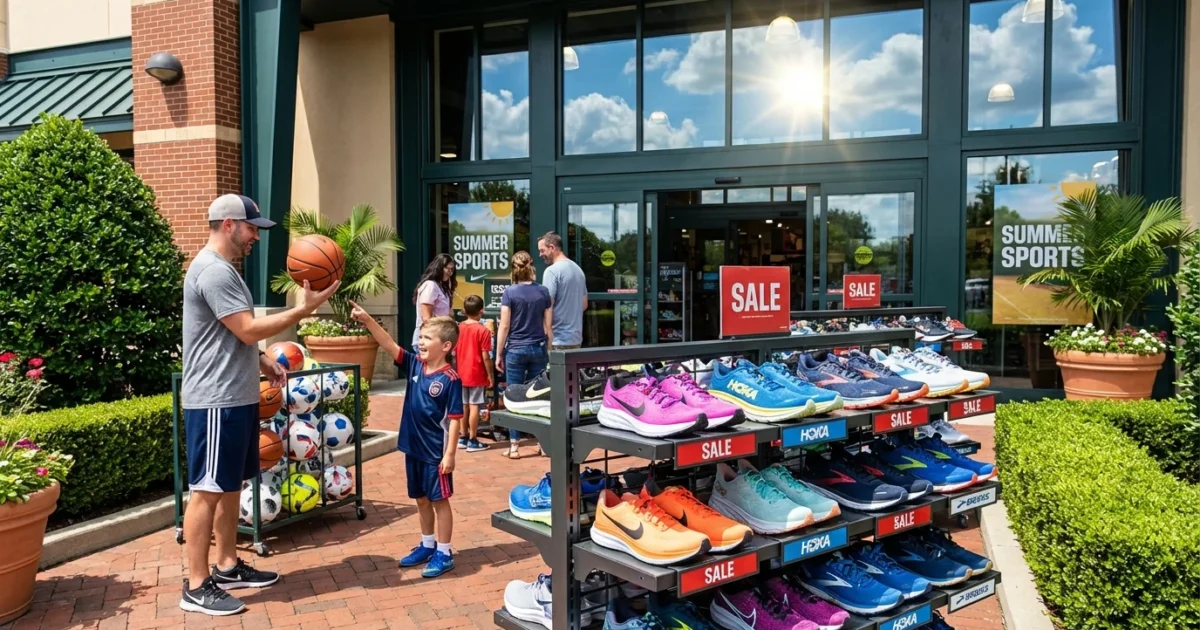
Breaking: Dick’s Sporting Goods raised its 2025 outlook after a record quarter, then revealed a sweeping Foot Locker restructuring that could close stores and trigger hundreds of millions in charges. The company’s strong numbers, and a bullish chart setup, now collide with real world legal duties to workers, customers, and investors. This is the moment when earnings momentum meets the law.
What happened and why it matters
Dick’s reported $3.65 billion in second quarter net sales. Comparable sales rose 5.0 percent. Diluted EPS hit $4.71. Net income reached $381 million. Management lifted 2025 guidance. It now sees comparable sales up about 2.0 to 3.5 percent. It sees EPS around $13.90 to $14.50.
At the same time, the Foot Locker integration will not be cheap. The company expects pretax charges of $500 million to $750 million. These stem from store closures, inventory cleanup, and other restructuring.
Traders are also watching the stock’s setup. The relative strength rating improved to 72. A cup with handle pattern points to a possible breakout near $237.31 if volume confirms.
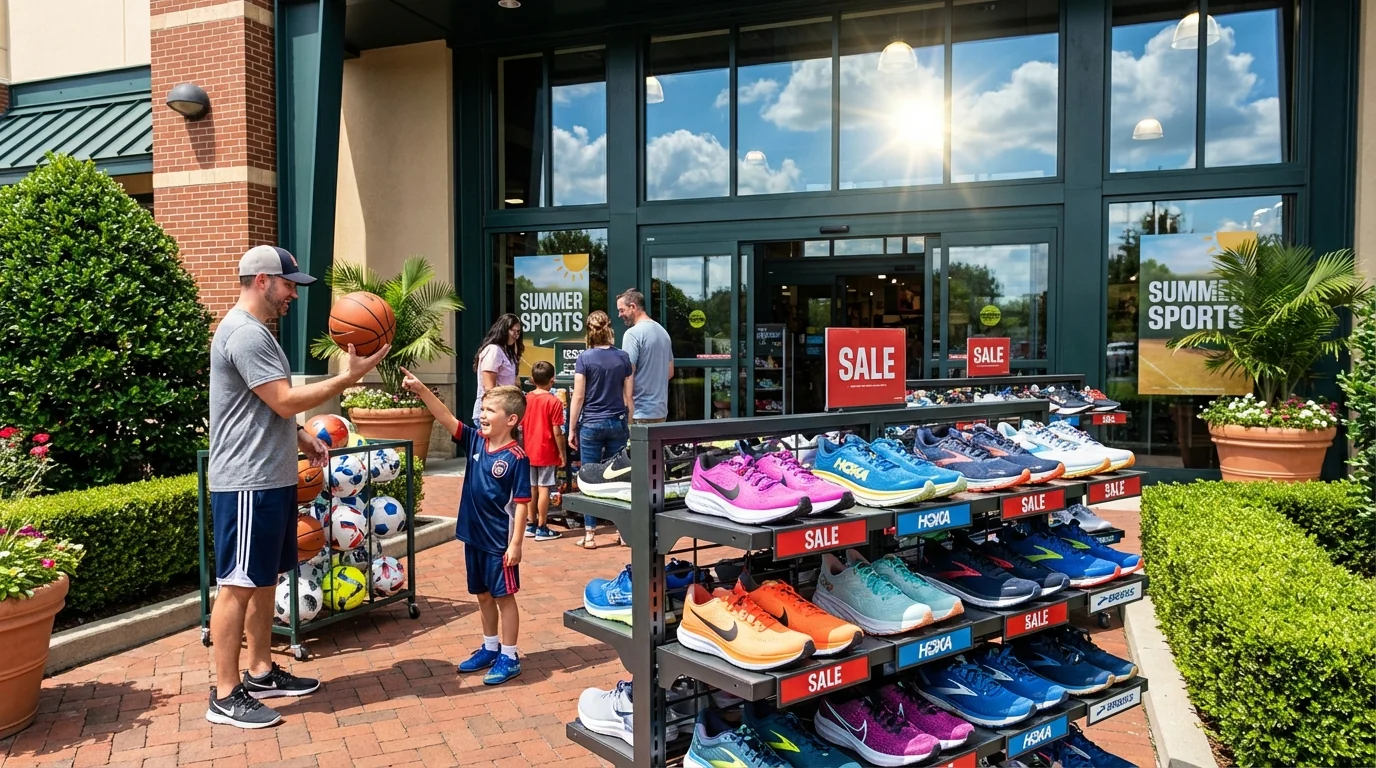
Record sales do not change legal duties. Closures, workforce moves, and disclosures must still follow federal and state law.
The legal stakes
Antitrust and competition
Closing a major retail deal comes with scrutiny. Regulators focus on local competition in shoes and sporting goods. If a market becomes too concentrated, the government can push for limits. That can mean divesting stores in select zip codes or changing supplier contracts. Exclusive deals that choke off rivals can raise concerns. Consumers have a right to fair prices and real choice. Dick’s must show that any overlaps will not harm shoppers or smaller retailers.
Labor and store closures
Restructuring often means jobs at risk. The federal WARN Act requires 60 days notice before mass layoffs or plant closings that meet set thresholds. Some states go further. New Jersey often requires 90 days notice and severance. New York and California have stricter triggers than federal rules. Workers also keep their right to organize under the National Labor Relations Act. During inventory cleanups, overtime must be paid when due. Missteps here can lead to back pay, penalties, and state enforcement.
If notice rules are ignored, civil penalties and mandatory back pay can follow. States can also step in with their own fines.
Securities law and investor rights
Large charges are material. The company must disclose them clearly and in time. That includes plain language in MD&A, risk factors, and 8-K or 10-Q filings. Investors have the right to accurate, non misleading information. Selective briefings are off limits. If the company’s statements are false or incomplete, shareholders can seek remedies in court. Governance matters too. Boards must oversee integration risk, cyber risk tied to data merging, and fair pay policies.
Consumer and community impact
Shoppers want to know what changes. Gift card protections remain strong. Federal rules limit expiration, usually five years or more. Many states add more protections. If a store closes, return and warranty policies should be honored, either online or at nearby locations. If not, state consumer agencies can help.
Cities will feel the impact where stores shut down. Local officials can ask for transition plans. This can include job fairs, worker retraining, or subleases that prevent dark storefronts. If public incentives supported a store, clawbacks can arise. Zoning and lease covenants can shape what replaces a closed location.

- Workers, track WARN notices and ask HR about transfers, severance, and benefits.
- Customers, use gift cards promptly and keep receipts for any warranty claims.
- Investors, read the next 10-Q in full and watch for integration metrics.
- Local leaders, seek written mitigation plans before closures take effect.
Should you buy the stock today
The chart invites action, but the law sets the pace. A breakout above $237.31 would please traders. The RS at 72 is improving, not elite. The business looks strong with raised guidance. Yet the Foot Locker charges are large and can repeat if plans expand. Execution risk is real. Regulatory frictions can drag timelines. Labor and lease costs can run higher than expected.
For citizens and investors, the key is transparency and compliance. If the company handles notices, disclosures, and community impacts well, it can protect trust. If it stumbles, legal costs and reputational harm can erase chart gains fast.
Set price alerts, but also set a calendar alert for the next SEC filing and any WARN postings in key states.
Conclusion: Dick’s just put up big numbers and a bolder plan. Now the real test begins. Watch the breakout level, the next SEC filing, and the first wave of WARN notices. Growth can continue, but it must move in step with labor law, consumer protections, and fair competition.