
BREAKING: Partial U.S. Government Shutdown Begins, DHS Fight Triggers Immediate Service Strains
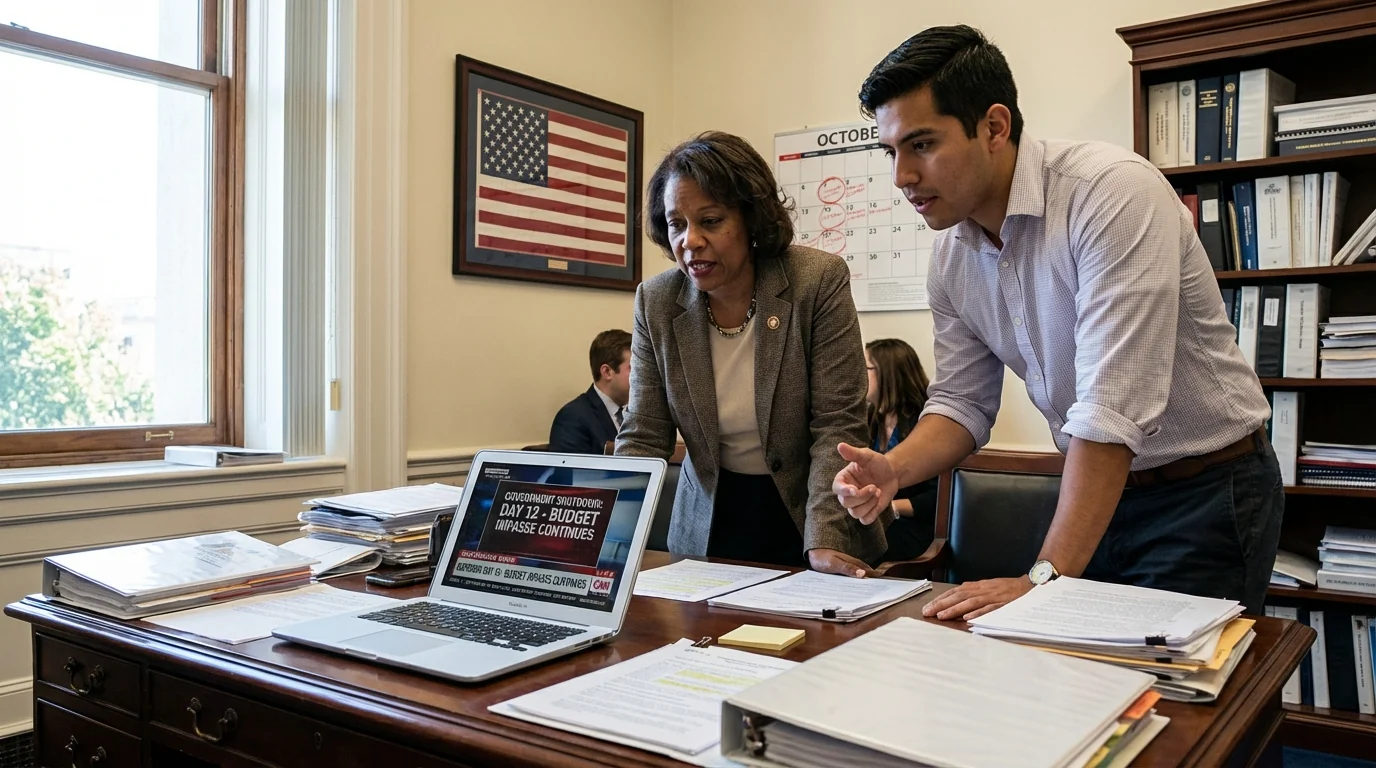
The federal government has entered a partial shutdown after funding lapsed at midnight. The flashpoint is the Department of Homeland Security. The dispute is real, the impacts are immediate, and the legal rules are now in charge.

What the shutdown means in law
When funding expires, the Antideficiency Act kicks in. Agencies cannot spend money without an appropriation. They must halt nonessential work. They can only continue activities that protect life and property. That includes law enforcement, national security, and certain health and safety functions.
Employees in those roles are excepted. They must report to work, but pay is delayed. Furloughed staff are sent home. They cannot volunteer to work. That is a legal bar.
Back pay is guaranteed for federal employees once funding returns. Congress required that in 2019. Contractors are different. Most do not have a right to back pay, unless their contracts cover it. Expect real hardship if this drags on.
How we got here
DHS funding is the center of the fight. A deal failed to come together before the deadline. Inside the Republican Party, a split burst into view at the worst moment. Sen. Lindsey Graham blocked a Trump-backed plan. He called it a bad deal. That move shut down a quick path and hardened stances.
House leaders are now preparing a vote as soon as Monday. If negotiators can stitch together a package, shuttered parts of the government could reopen quickly. If not, expect stop and start talks to continue. A short term patch, also called a continuing resolution, is still on the table.
What is open and what will slow
DHS is vast. Customs and Border Protection, the Transportation Security Administration, and the Coast Guard are on the front lines. Those missions continue under the life and property exception. Still, strains will show up at the edges.
- Airports remain open, but security lines may grow as overtime tightens.
- Border crossings continue, but wait times may rise at peak hours.
- Immigration benefits that rely on annual appropriations can slow or pause.
- Nonurgent DHS grants and policy work are likely paused.
Other parts of the federal government that already have funding remain open. The shutdown is partial, not total. Social Security and Medicare payments continue. Courts and Congress keep operating under their own rules and reserves. If the standoff spreads, that could change.
Travelers, arrive early and bring patience. Keep your ID handy, confirm flight status in your airline app, and allow extra time at security.
Your rights and what to do now
Federal employees have clear rights today. If you are excepted, you must work. You will be paid later, with back pay. If you are furloughed, do not work unless recalled. You may be eligible for state unemployment, subject to state rules. Document all hours if you are excepted. Keep copies of recall notices and timesheets.
Contractors should contact their contracting officer in writing. Ask for stop work guidance, and get directions in email. Many contractors will not receive back pay. Ask about equitable adjustments if your performance period is affected.
Citizens should expect slower customer service from affected offices. You still have the right to file applications and appeals. Deadlines set by law do not pause unless a statute or court order says so. If an office is closed, send filings by certified mail and keep proof. Airports and borders will stay open, but plan for delays. Immigration enforcement and detained cases continue. Non detained case work may slow.
Watch for scams. No federal worker will demand payment by gift card or threaten arrest over a delayed service during a shutdown.
The path to reopening
A House vote as early as Monday is the next key step. The contours are familiar. Lawmakers can pass a short patch to buy time. Or they can strike a full year DHS deal tied to policy conditions. The Senate will need to move fast to match any House plan. The White House will weigh in on policy riders that limit executive action on border and immigration.
The shutdown’s length will depend on whether negotiators separate policy from pay. The longer it lasts, the sharper the civic costs. Delayed paychecks ripple through communities. Backlogs grow. Confidence erodes. The law provides a narrow bridge for safety work. It does not prevent the real world from feeling the strain.
Conclusion
This shutdown is targeted, but the stakes are broad. The legal guardrails are firm, and the playbook is set. DHS keeps the front line running, while the back office slows. Workers wait for pay. Citizens wait for answers. The House vote window opens Monday. If Congress acts, lights snap back on. If not, brace for a longer test of policy, patience, and paychecks.