BREAKING: Three “Depot” flashpoints hit law, policy, and your wallet today
I am confirming three separate developments tied to the word depot. Each one carries real legal stakes. One involves a German retailer seeking court protection. One is a trademark clash over political merch. One is a crypto ATM company that reported gains as its stock dropped. Here is what is new, and what it means for employees, consumers, brands, and investors.
A retailer seeks shelter in court
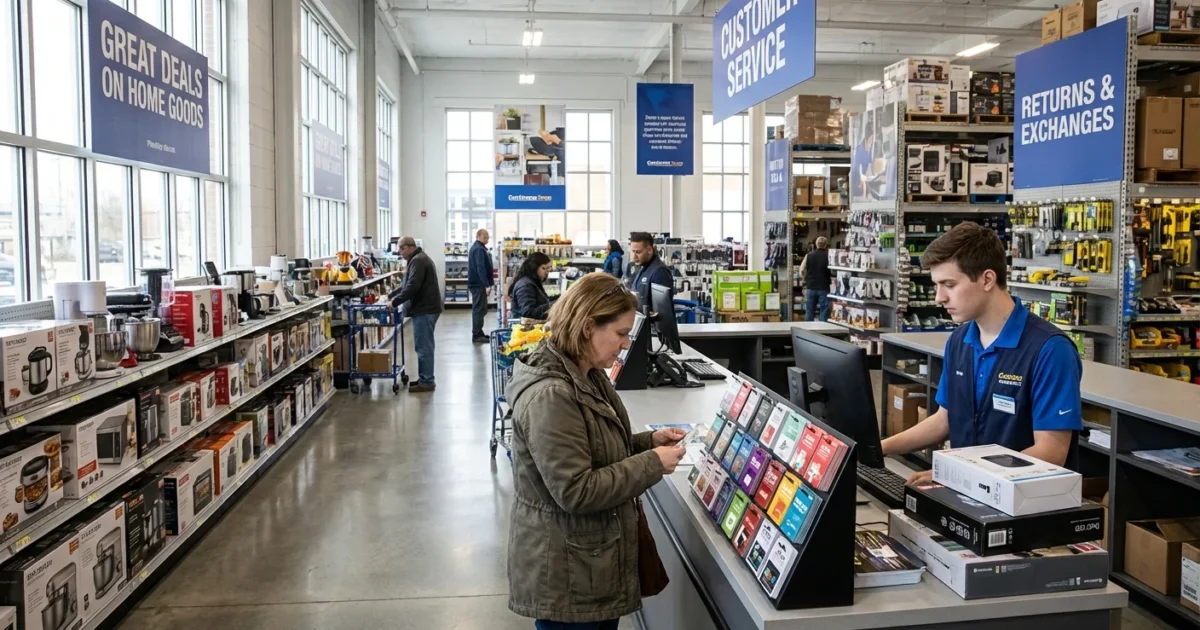
Depot, the home decor chain in Germany, has applied for protective shield proceedings. This is a court supervised process that lets a company reorganize while management stays in control. A provisional court officer is in place. Restructuring advisors have been appointed. Stores remain open. Employee wages are secured for the coming months under statutory rules.
The company plans to negotiate with landlords and suppliers. Expect reviews of leases, headcount, and purchasing terms. Gift cards, returns, and warranties are common stress points in retail restructurings. The company says operations continue. Still, consumers should keep documents and act within posted return windows.
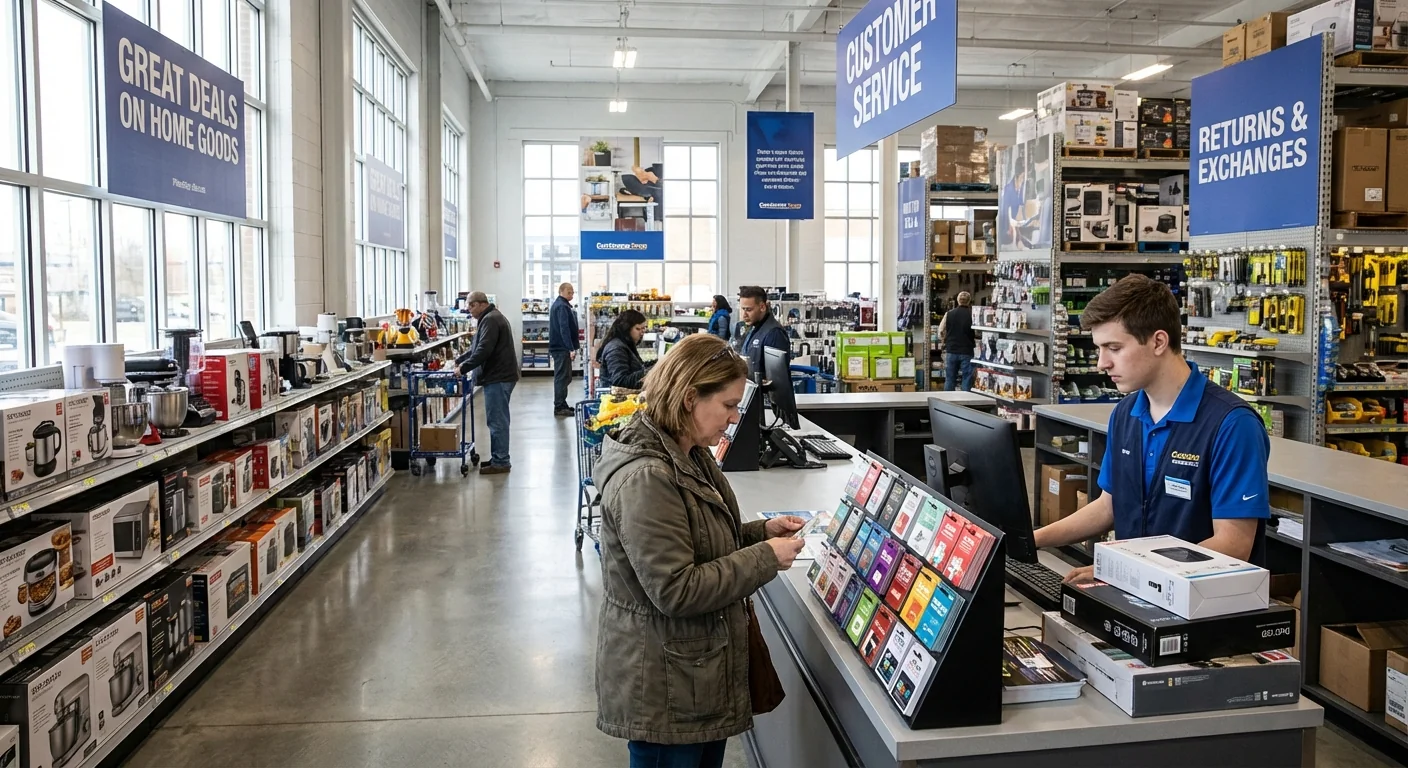
Keep receipts, screenshots of orders, and gift card numbers. Ask in store if returns or repairs change. 🧾
Under German law, protective shield cases move fast. The court will expect a viable plan. Creditors will form committees and vote. Employees have consultation rights. Public authorities will watch for tax, social insurance, and consumer law compliance during the process.
A political slogan meets trademark law
A political group sold “Deport Depot” items styled like Home Depot’s branding. Home Depot objected. The items were taken down. This is a classic trademark problem. The Lanham Act bars use of a mark that confuses consumers about source or sponsorship. Political speech has wide protection, but it does not grant a free pass to use another company’s logo in commerce.
Parody can be a defense. It is narrow. It tends to work when there is clear commentary and no risk of confusion. Look alike fonts, color schemes, and layout raise risk. Selling items to raise money makes it commercial use. That increases the chance of infringement and dilution claims. Campaigns and committees must police their vendors. They should also use disclaimers, though a disclaimer alone does not cure likely confusion. ⚖️

If you mimic a famous brand on paid merch, you risk takedowns, damages, and fee awards. Parody is not a shield for look alike logos.
Consumers who bought the items can seek refunds from the seller if goods are not delivered. State consumer protection laws apply to political shops as well. Keep order confirmations.
Bitcoin Depot’s hot quarter, cold market
Bitcoin Depot, ticker BTM, reported Q2 revenue growth around 6 percent. Net income rose sharply, about 183 percent. Even so, the stock fell hard in premarket trading. An analyst downgrade followed. That shows a common market split. Earnings can look strong while guidance, margins, or risk signals spook investors.
For policy watchers, BTM sits at the crossroads of money services and crypto. Operators of bitcoin ATMs face anti money laundering rules. They need licenses in many states. They must maintain Bank Secrecy Act programs, verify customers, and post clear fee disclosures. Any slip can trigger enforcement and private suits. Investors should read risk factors and watch for compliance updates.
Do not trade on headlines alone. Read filings, look for cash flow quality, and note any regulatory notices.
Why this matters and what to watch
These three stories touch workers, shoppers, campaigns, and markets. The legal playbooks are familiar, but the stakes are concrete.
- Employees at Depot, Germany have near term wage protection, but medium term jobs may depend on lease and store reviews.
- Consumers should track return policies and gift card terms during the restructuring.
- Political groups need real trademark clearance before launching themed merch.
- BTM investors should watch guidance, licensing status, and AML controls, not just revenue.
Courts in Germany will test the retailer’s plan quickly. In the United States, trademark lawyers will view the political merch case as a warning to campaigns in a hot season. On the markets side, BTM will face questions about sustainability of earnings and regulatory exposure in coming quarters.
Conclusion
One word, three legal fronts. A retailer seeks time to reset. A campaign learns where speech meets trademark law. A crypto ATM company reminds us markets punish uncertainty. Follow the filings, not the noise, and protect your rights at each step.