BREAKING: Denver’s citywide emergency alert rattles phones, stokes confusion, and raises legal questions
What happened near the University of Denver
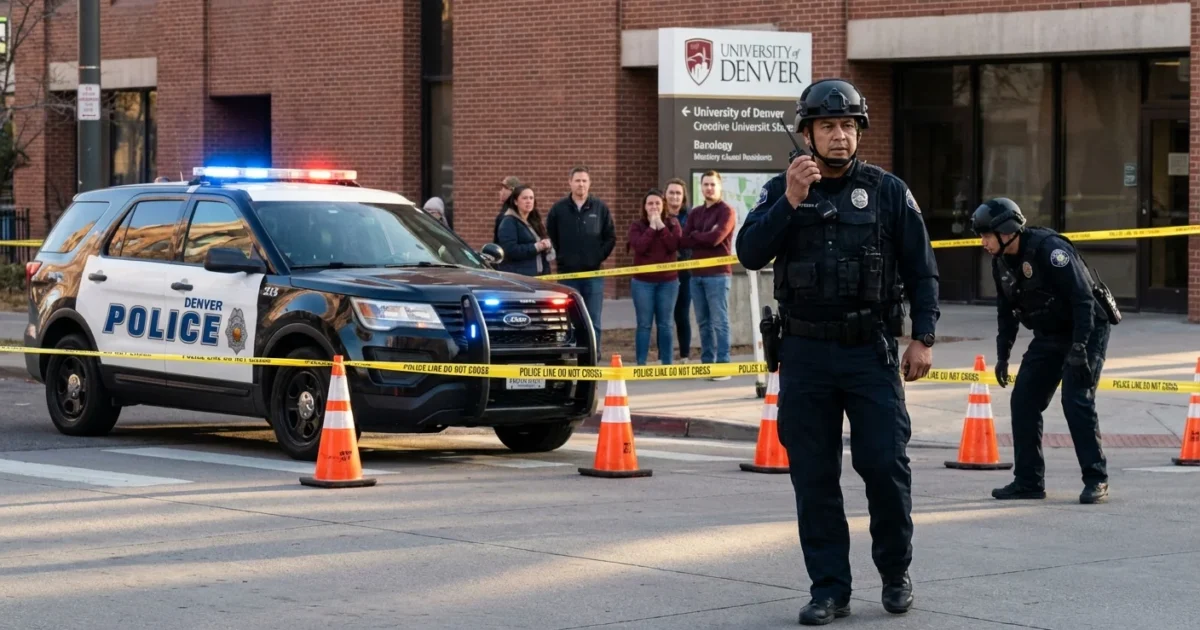
Denver police ordered a shelter in place this afternoon for the neighborhoods around the University of Denver. Officers responded to an active barricaded subject and secured a tight perimeter. Streets closed fast. Neighbors were told to stay inside and lock doors.
Then the alert hit phones well beyond the campus area. A Wireless Emergency Alert, the same kind used for tornadoes and Amber Alerts, went to a larger area than planned. People miles away saw the same urgent message. Many worried they were in the danger zone. Officials later said the alert was intended only for the blocks around the incident.
The barricade operation continued as officers worked to resolve the situation. The department issued updates and stressed that the risk stayed localized near DU. The broader alert, however, raised big policy issues in real time, while the police response unfolded.
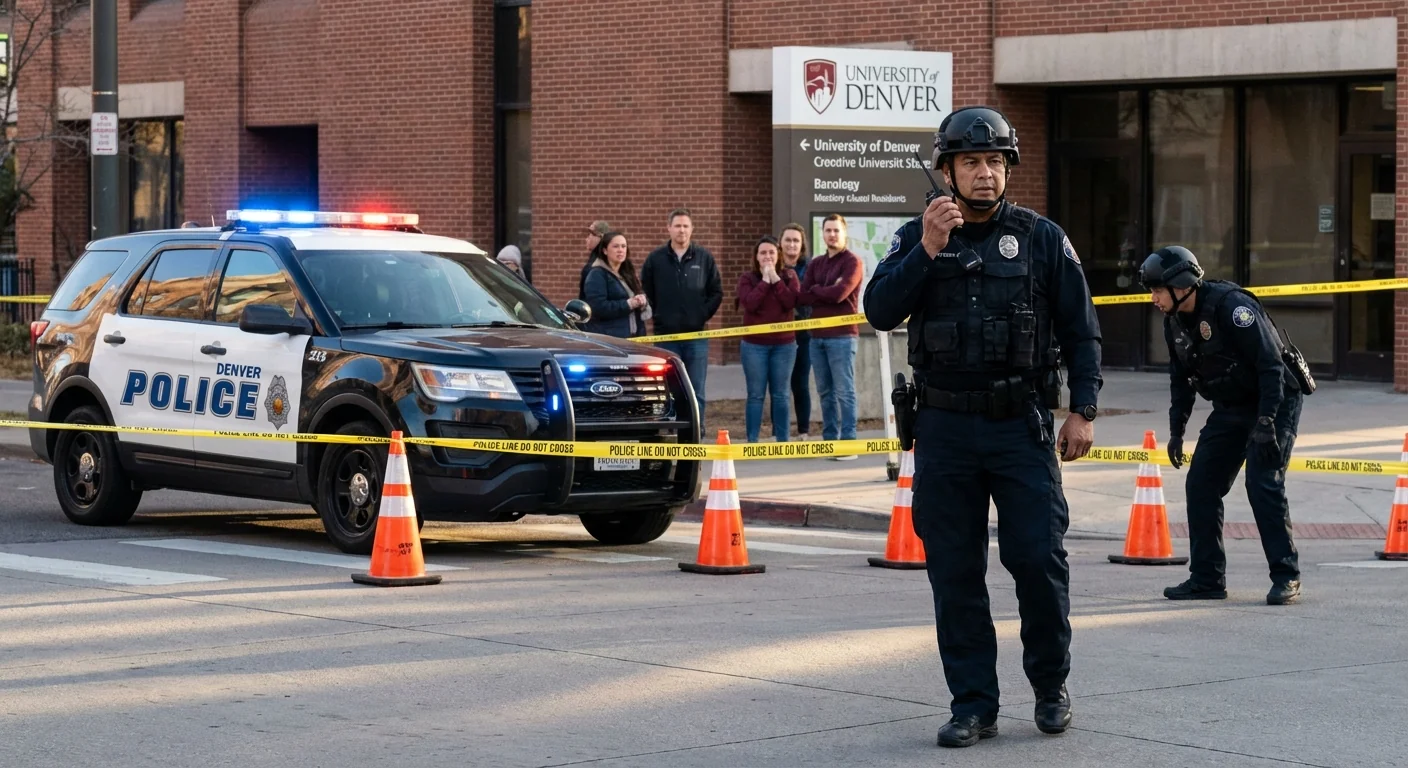
A citywide alert during a localized police action can trigger panic and gridlock.
Why the alert reached too far
The Wireless Emergency Alert system uses cell towers to blast messages to phones in a defined shape, often a polygon map. Agencies draw the shape. Carriers deliver it. Federal rules now require “enhanced geo-targeting,” which means alerts should match the target area within about one tenth of a mile.
That standard is strong, but it is not perfect. Tall buildings, tower overlap, and fast-moving scenes can cause spillover. Human error also plays a role when teams draw the polygon under pressure. Denver police acknowledged the alert covered a larger footprint than intended. That is consistent with a geo-targeting miss, not an attempt to issue a citywide warning.
The result was predictable. People outside the perimeter paused travel, called schools, and checked on family. Inside the perimeter, the alert still did important work. It cleared streets, reduced foot traffic, and gave officers room to operate.
The legal and civic stakes
Shelter in place messages are lawful under a city’s police powers. They are designed to protect life and manage an active threat. But they must be narrow, timely, and clear. Overbroad alerts risk chilling daily movement without a safety payoff. That is where law and policy meet.
An alert does not suspend constitutional rights. Police still need reasonable suspicion to stop a person, and probable cause to search. A message on your phone is not a blanket authorization for checkpoints or home entries. It is guidance, paired with lawful, on-the-ground orders around a defined crime scene.
Records of public alerts are public records in Colorado. Under the Colorado Open Records Act, residents can request the alert text, the polygon map, and the approval log. That transparency matters. It allows the city to explain what went wrong and how it will improve. It also protects trust in a system built to save lives, not to startle the city.
WEA messages also raise privacy questions. Here, the privacy risk is low. The system broadcasts from towers. It does not track individual devices or pull your location history. Phones that happen to be in range receive the message. That design choice is a policy safeguard.
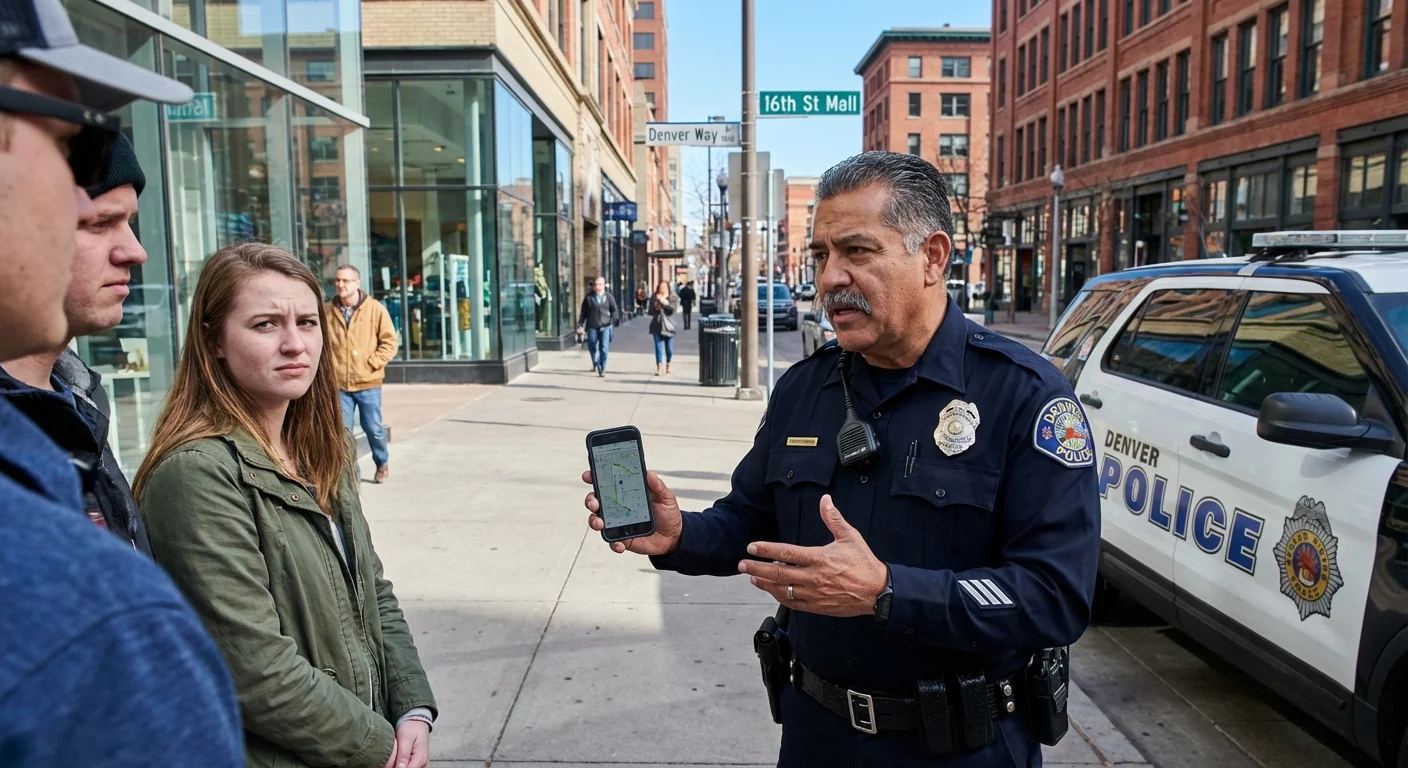
If you get a shelter in place alert, move to the nearest safe indoor spot, lock doors, stay off windows, and wait for the all clear.
What Denver must do next
Today’s misfire is fixable. The tools already exist. The city and its partners should now tighten policy and execution, and do it fast.
- Publish the exact alert polygon, the approval chain, and a timeline within 48 hours.
- Adopt pre-scripted, plain language messages that include cross streets and a small map link.
- Require a second message within five minutes to confirm scope, either narrowing or expanding as needed.
- Use a two-person verification for polygons during high-risk incidents, with duty-officer sign off.
- Run quarterly drills with carriers and campus partners to test overshoot and document results.
Denver should also set a clear rule for layered alerts. The campus can push a campus-only notice, while the city uses a tightly drawn polygon for off-campus blocks. A unified command can keep both messages aligned. That prevents mixed signals.
Finally, leaders should commission an independent after-action review. Include civil liberties experts and emergency managers. Publish recommendations in full. A small investment here will pay dividends during the next fast-moving call.
What residents should know
Shelter in place is time limited. It is not a curfew. When police lift it, you are free to move. If you are outside the true perimeter and receive an alert, you can continue normal activity unless directed otherwise by officers on scene. If you are in the area, follow the instructions. Do not flood 911 for general updates, since those lines must stay clear.
You can disable local alerts on most phones, but think twice. Today shows how vital rapid warnings can be when they are precise. Precision is the goal. Accountability is the path.
Conclusion
Denver’s alert today protected a crime scene, but it also exposed a gap in geo-targeting. The fix is not abstract. It is policy, training, and public clarity. We will track the after-action review, the records release, and any FCC reporting. Safety and rights both matter. In a crisis, residents deserve accuracy on the first ping, and confidence in every message that follows.