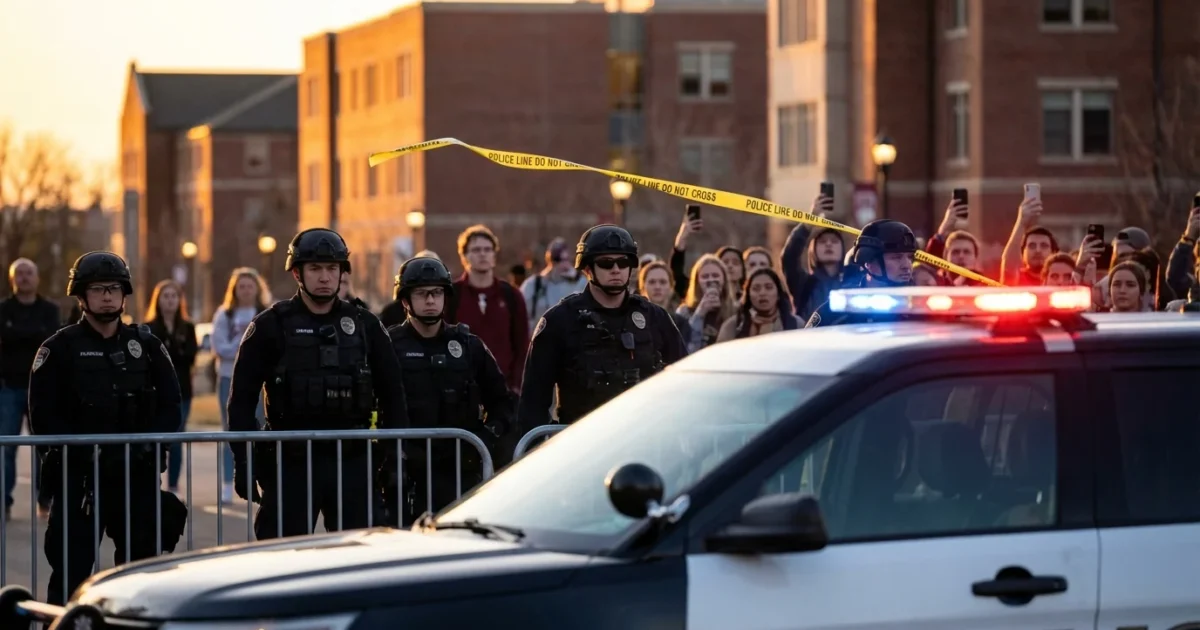
Denver residents were told to shelter in place near the University of Denver this afternoon as police worked a barricaded subject call. The warning was meant for a tight area. Instead, a wireless emergency alert went citywide. That misfire triggered confusion, clogged phone lines, and raised serious policy questions. I confirmed with city officials that the alert went to a broader area than planned. They are working to correct it and to keep the public informed.
What happened near DU
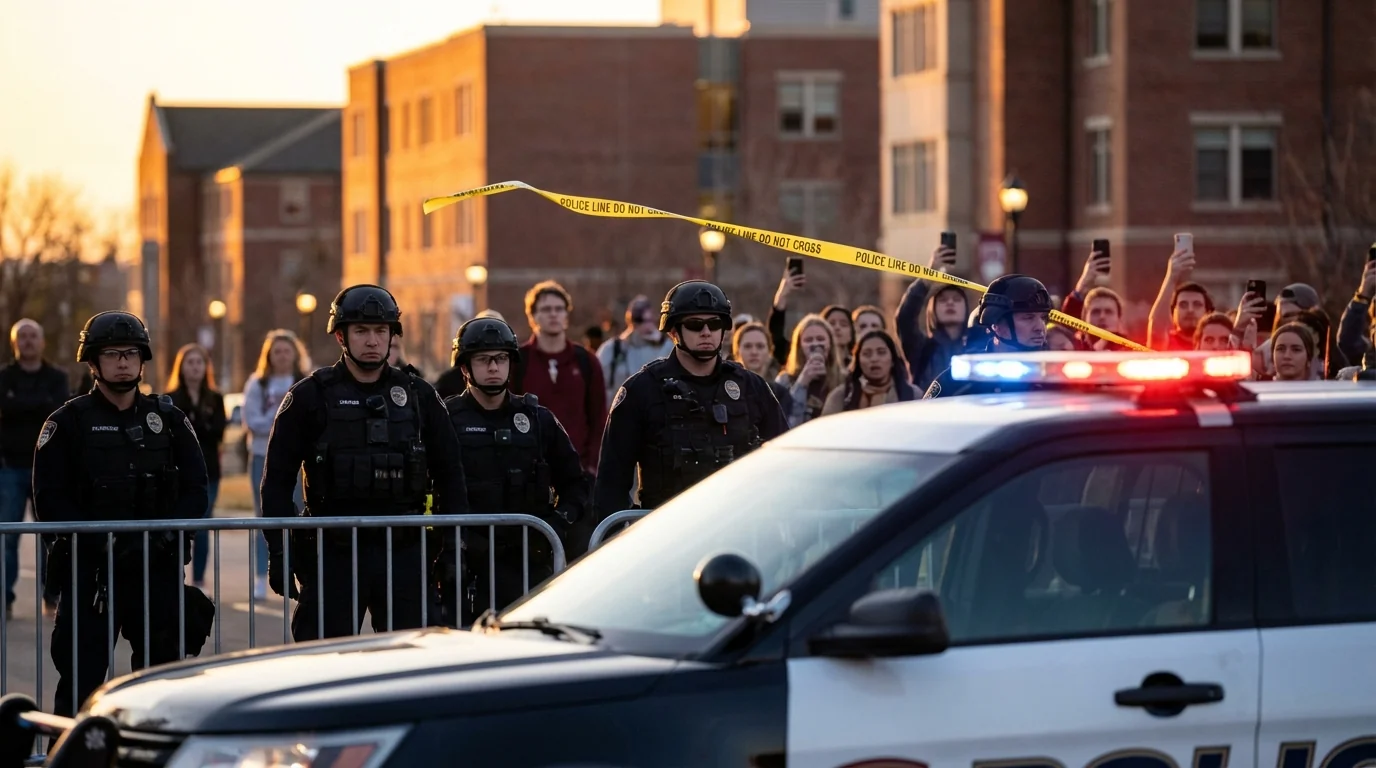
Police moved quickly to the scene near the DU campus after reports of a person barricaded inside a building. Officers set a perimeter, asked people nearby to go inside, and urged others to avoid the area. Streets were restricted as tactical teams responded. As of this report, officials had not confirmed injuries or the status of the suspect. The immediate advice stands. Stay away from the active area and follow police instructions.
The alert that went too far
A Wireless Emergency Alert hit many phones across Denver. It told people to shelter in place. That message was intended for a small zone near the campus. The city acknowledges the alert traveled farther than planned. In practice, that means thousands who faced no direct risk still got the same urgent order.
This matters. Wireless alerts are powerful. They cut through the noise, even when your phone is on silent. Federal rules expect agencies to target alerts to the area that faces danger. The aim is accuracy. The public must get timely warnings, but those warnings should be narrow and clear.
Public alerts must be accurate, targeted, and easy to follow. Overbroad alerts can cause panic and reduce trust.
Law and policy in play
Here is the legal frame. Local police can issue shelter in place instructions during an active threat. That authority flows from state emergency powers and routine police powers to protect life and safety. The city can restrict movement in a limited area for a short period when danger is present. Orders should be specific, temporary, and tied to the threat.
Wireless Emergency Alerts run through a federal system that carriers deliver. Agencies choose the message and the map. Federal policy expects agencies to keep the alert within the real hazard zone. Today’s mistake exposes a gap, either in mapping, training, or system settings. That will demand an after action review.
Your rights also matter. You have the right to receive clear public safety information. You have the right to record police from a public place, if you do not interfere. If officers have set a restricted zone, you must respect the perimeter. If you are inside the alert area, you should follow the instruction to shelter until officials lift it.
Do not cross police lines, ignore commands, or drive into the perimeter. You can be cited for interference. Safety comes first.
What you should do when a citywide alert hits
A broad alert can feel scary. It can also be wrong for your location. Act fast, then confirm. Here is the best sequence I recommend:
- Pause where you are. Get inside if it is easy and safe.
- Read the message twice. Look for landmarks, cross streets, or a named neighborhood.
- Check an official channel for a map or update. Use city or police feeds, or the city website.
- If you are outside the zone, carry on with extra care. Stay away from the named area.
Save local emergency numbers in your phone, but do not call 911 for updates unless you face immediate danger. 📱
Accountability and next steps
I am pressing the city for details on how the alert mapped so widely. The public deserves answers on three points. What went wrong in targeting. Who had approval authority. What fixes will be made before the next incident. A short timeline and a plain language report should follow within days.
City Council and the Mayor’s office should insist on a formal review. That review should cover training, vendor settings, and a live test plan. It should also include a commitment to publish alert maps with every message. People cannot follow orders they do not understand.
Residents have tools, too. Under the Colorado Open Records Act, you can request the alert message, the targeted map, and the after action memo. You can also request radio traffic logs tied to the incident time frame. These records help the public track what happened in real time and why.
The bottom line
Police acted to contain a threat near DU. That was the right call. The alert that reached far beyond the hazard zone was not. Denver must fix its alert targeting, tighten training, and explain its process. Residents should follow immediate safety instructions, then verify the details through official channels. Clear warnings save lives. Accurate warnings protect trust. Today, Denver owes its people both.