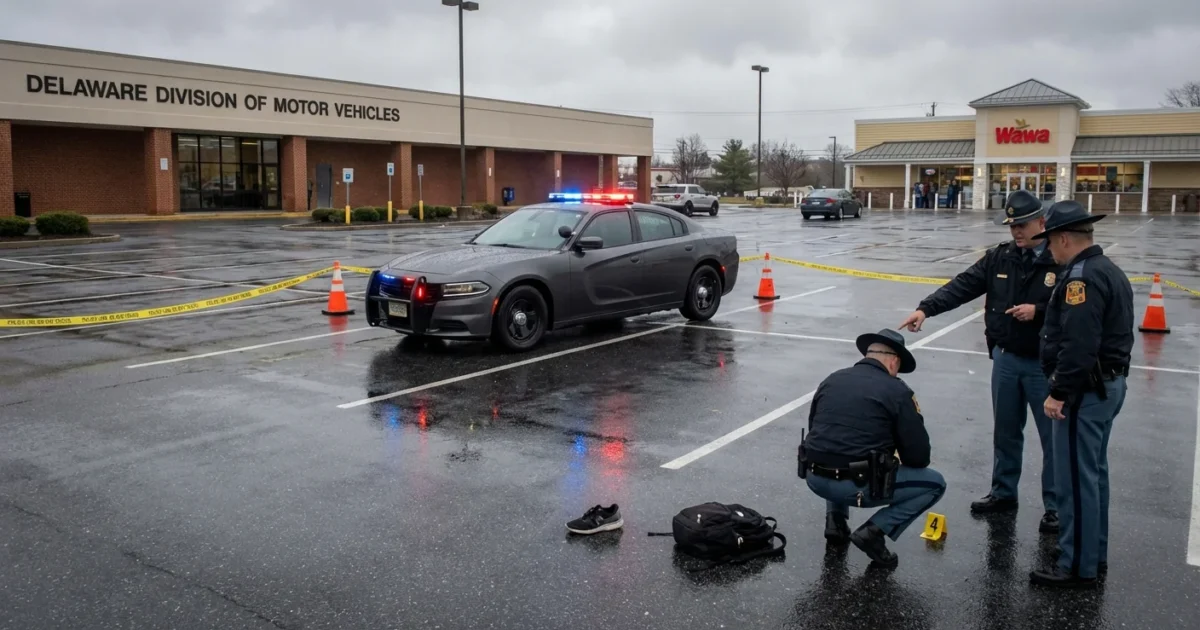
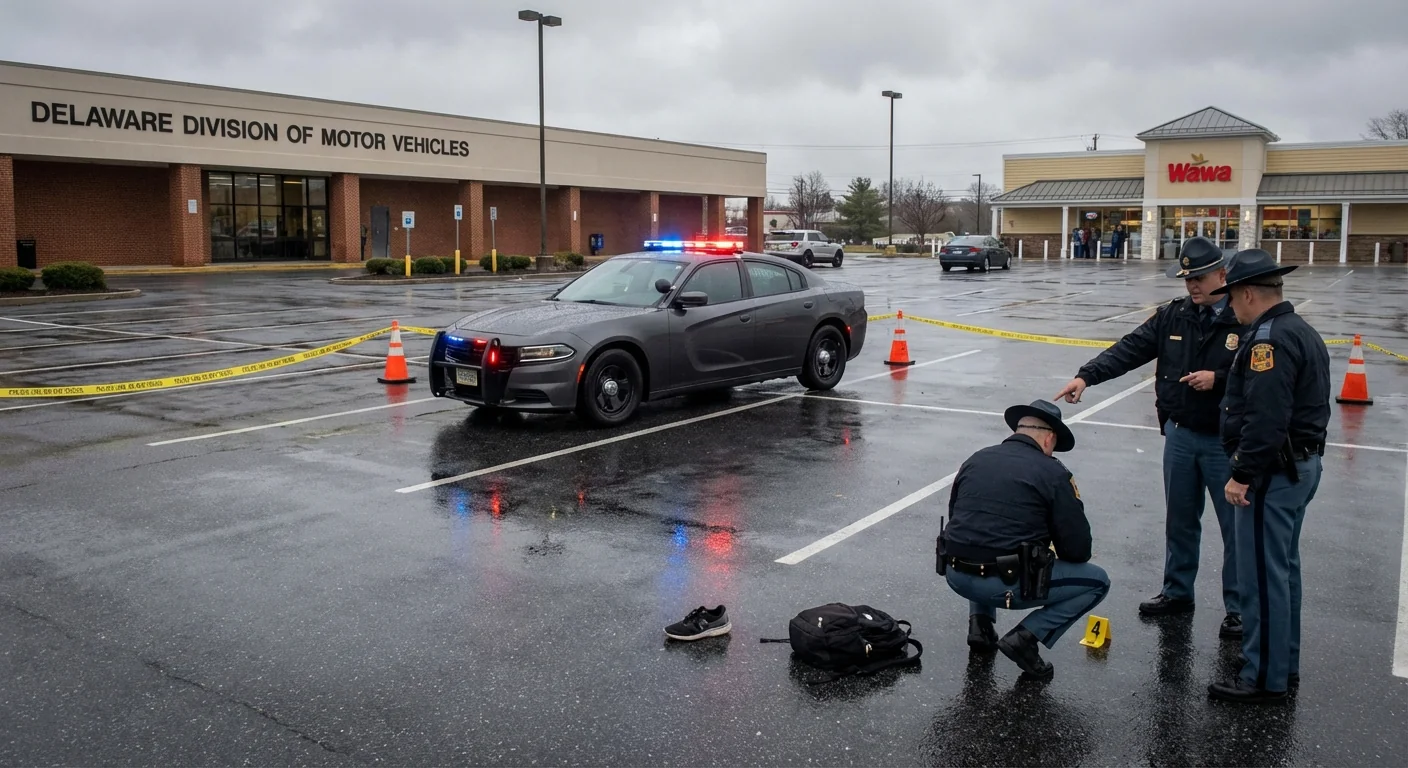
A Delaware DMV turned into a crime scene today. An active shooter triggered a massive police response at the Division of Motor Vehicles in New Castle County. Families were told to shelter. Staff were rushed out. The building is now sealed as investigators work through the night. 🚨
What we know now
We can confirm an active shooter incident at the Delaware DMV in New Castle County. The facility is closed, and the scene remains under investigation. Law enforcement set a wide perimeter and evacuated people from the building.
Authorities have not released names. Early statements from officials describe a deadly exchange. Multiple reports indicate a Delaware state police trooper was killed. The status of the gunman remains unsettled. Some officials are describing a suspect in custody. Others indicate the shooter may be deceased. We are awaiting a formal briefing to resolve this conflict.
- Confirmed: an active shooter at the DMV, a large police response, and an ongoing investigation
- Confirmed: the New Castle County DMV location is closed to the public
- Developing: a Delaware state police trooper is reported dead, pending official announcement
- Developing: the shooter’s status, custody or deceased, remains unclear
Expect shifting details. In the first hours of a crime scene, information can conflict. Stick to official updates to avoid false claims.
Timeline and official response
The incident began with reports of gunfire inside the DMV. State and local officers converged quickly. The building was cleared in sections, room by room. Witnesses were escorted out, hands visible, then directed to a reunification area. Emergency medical teams moved in once the building was secure.
Detectives from the Delaware State Police have taken the lead. The Attorney General’s Office typically reviews any police use of force. That includes officer involved shootings and fatal encounters. Expect a public report once evidence is collected, videos are reviewed, and statements are taken.
Officials will hold a press briefing to confirm the trooper’s status, the suspect’s identity, and the basic facts. The timeline will focus on when gunfire began, who fired, and how the threat ended.
Legal stakes and policy questions
If the shooter survives, prosecutors will consider charges that include murder in the first degree if a trooper was killed. Delaware’s death penalty is not in effect, following state court rulings. Life without parole would be the top exposure. Weapons charges and counts tied to endangering the public would follow.
If officers used deadly force, the Delaware Department of Justice Office of Civil Rights and Public Trust will review it. That report typically analyzes whether the force was lawful under state standards. Body camera video, radio traffic, and crime lab results inform that finding.
This event will drive urgent policy reviews. Expect questions about:
- Security screening at state service centers and DMVs
- Staffing of armed security at high traffic public buildings
- Emergency communications and lockdown procedures
- Training and drills for civilian staff in state facilities
Delaware lawmakers may revisit the state’s extreme risk protection process. The state’s lethal violence protective order law lets courts remove firearms from dangerous individuals. Today’s events will renew focus on how quickly those orders are sought and enforced.
Security at public facilities
DMV offices are not courthouses, but they are government buildings with heavy foot traffic. Agencies set their own security levels based on risk, budget, and layout. Many rely on cameras, controlled entry, and uniformed staff. Fewer have metal detectors or on site police.
That balance will face scrutiny now. Upgrades like magnetometers, single point entry, and contracted security come with cost and civil access questions. State leaders will weigh safety against ease of public access. They will also consider uniform standards across all DMV locations, not just the site hit today.
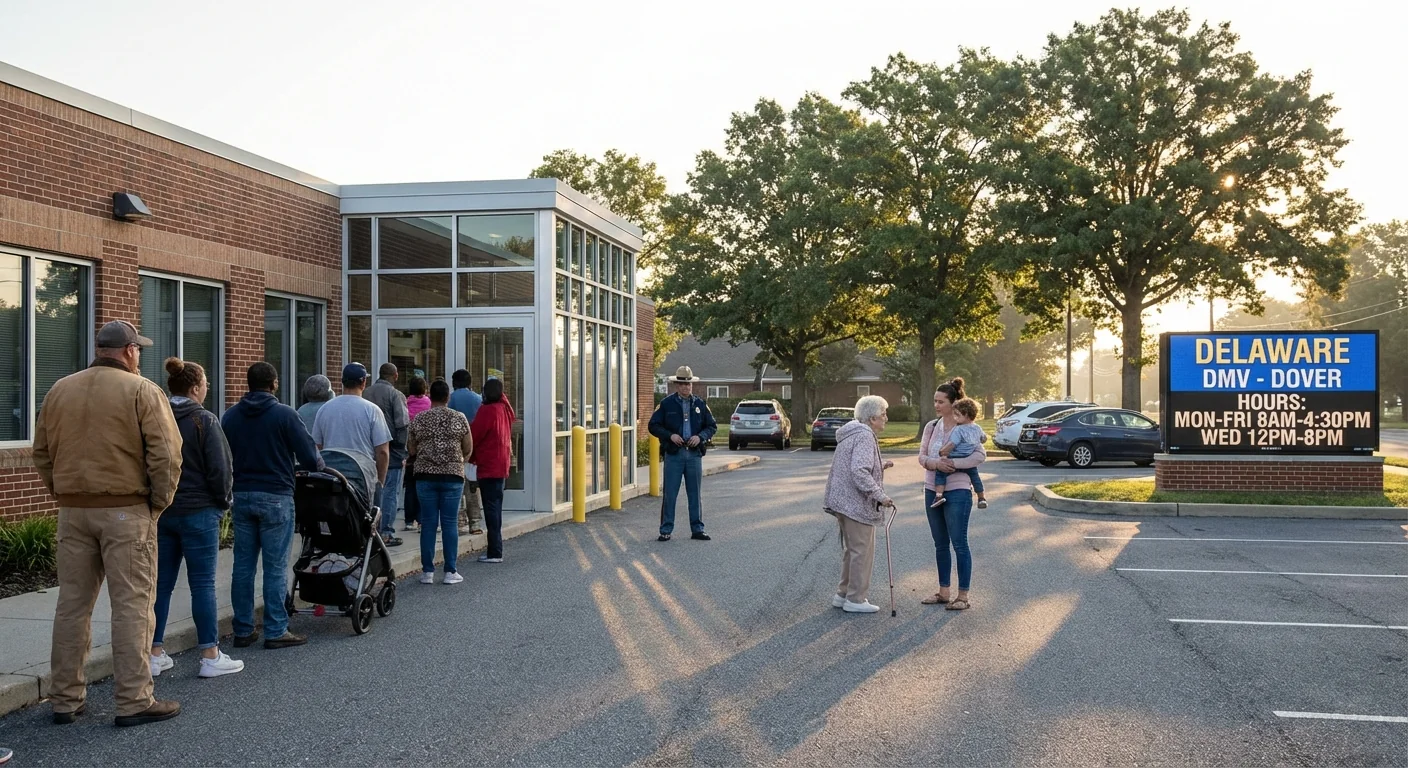
If you must visit a state facility in the coming days, call ahead. Confirm hours, entry rules, and any ID or screening requirements.
Citizen rights during and after the incident
Police can order evacuations, set perimeters, and detain briefly for safety. You must follow lawful orders to leave an area, keep your hands visible, or wait for a pat down. Officers can ask for your name after a lawful stop. You do not have to answer other questions without a lawyer.
You may record police in public from a safe distance. Do not cross a taped perimeter or interfere with medical aid. If an officer tells you to move back, step back and keep recording if you choose.
Victims and families have rights under Delaware’s Victims’ Bill of Rights. That includes notice of hearings, input at sentencing, and access to compensation for medical and counseling costs. A fallen trooper’s family is also eligible for federal Public Safety Officers’ Benefits, along with state line of duty benefits.
What comes next
The first briefings will lock in the basics, the number of shots fired, the suspect’s status, and the condition of any civilians. The Attorney General’s team will open its force review if police fired weapons. The state will audit security at DMV facilities statewide. Lawmakers will convene on emergency protocols, security standards, and mental health risk tools.
Tonight, the priority is care for the injured, support for families, and a clean, careful investigation. We will update as officials release confirmed facts. The community deserves clarity, safety, and accountability, and that work begins now.