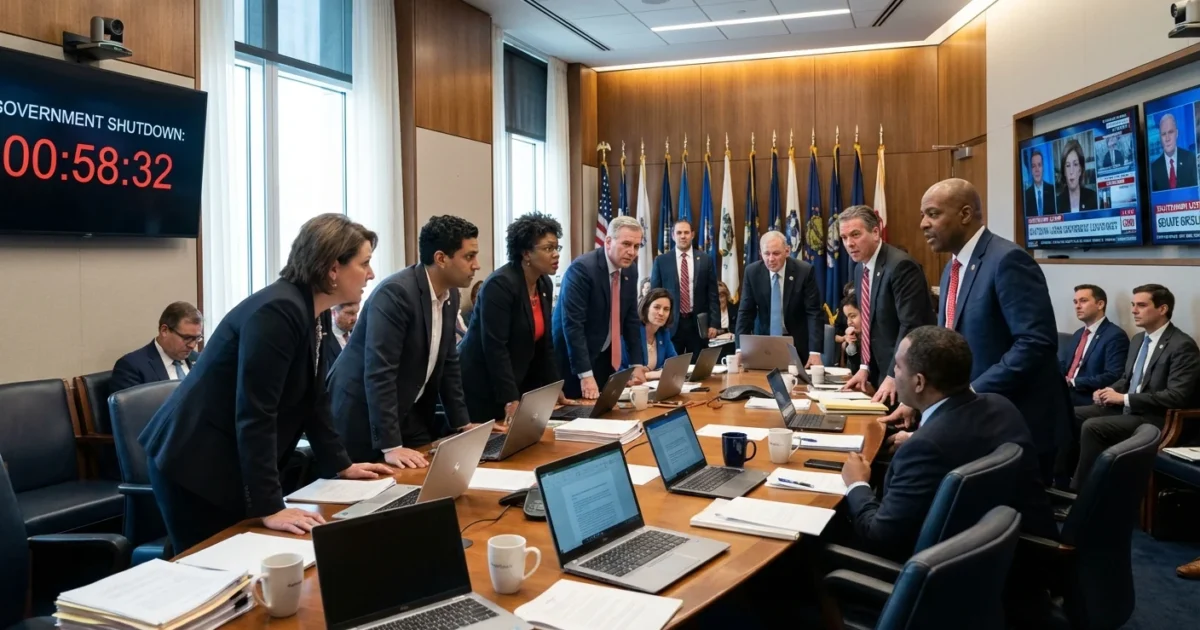
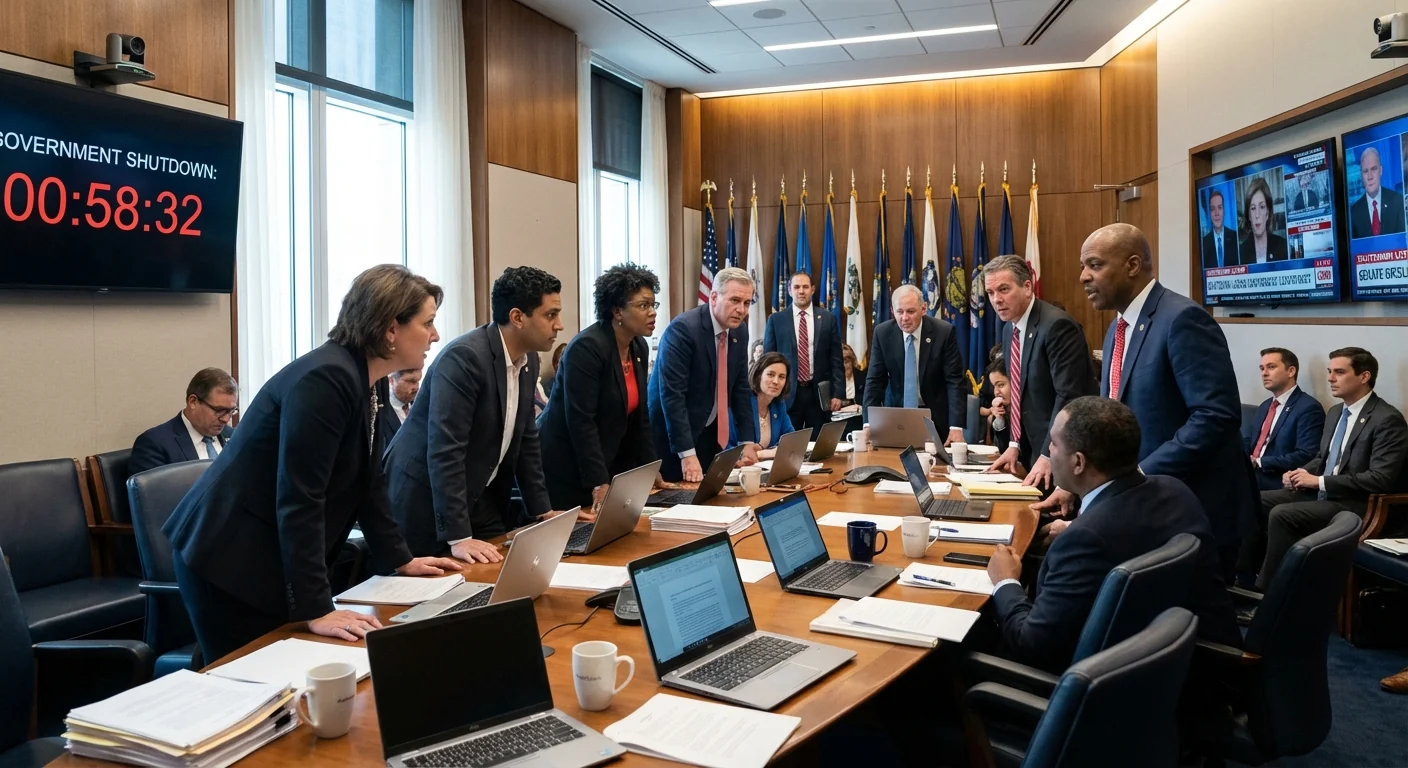
BREAKING: Congress races to avert a 2026 shutdown. I can confirm leaders have locked a roughly 1.2 trillion dollar funding deal. It covers Homeland Security, the Pentagon, and major domestic agencies. The plan is to clear it before the deadline hits. The clock is loud. The stakes are real.
What is in the final package
This is the last set of fiscal year 2026 spending bills. It is the barrier between order and a shutdown. The package holds steady funding for core programs, with some targeted boosts. It rejects proposed cuts to the Education Department. That keeps classroom support, student aid, and civil rights enforcement stable. It delivers a 3.8 percent pay raise for air traffic controllers. That aims to ease staffing strain and keep skies safe.
Security agencies get continuity. Defense operations can plan for training, maintenance, and pay. Homeland Security keeps border, cybersecurity, and disaster response on tempo. Domestic agencies secure funding to keep benefits flowing and permits moving.
The trade is clear. Leaders shelved deeper cuts and the most aggressive policy riders. In return, they locked votes to beat the deadline. Stability won out over brinkmanship.
- Headline items: 1.2 trillion dollars total, full year funding for Defense, DHS, and key domestic agencies
- Worker focus: 3.8 percent raise for air traffic controllers
- Education: proposed cuts are rejected, core programs shielded
- Operations: continuity for national security and core civil services
How Congress is fast tracking the vote
House leaders plan a rapid sequence. Committee text is finalized, and floor votes will follow with limited debate. They need votes from both parties. The Senate will move as soon as the House finishes. The aim is to pass it and send it to the President before funds lapse.
Here is the glide path they are using.
- Publish bill text and summaries.
- Hold a structured floor debate with a narrow rule.
- Vote in the House, then transmit to the Senate.
- Senate moves under an agreement to shorten delays.
- Final vote and enrollment before the deadline.
This approach cuts procedural time. It also raises the bar for discipline. One delay could push the clock past zero.
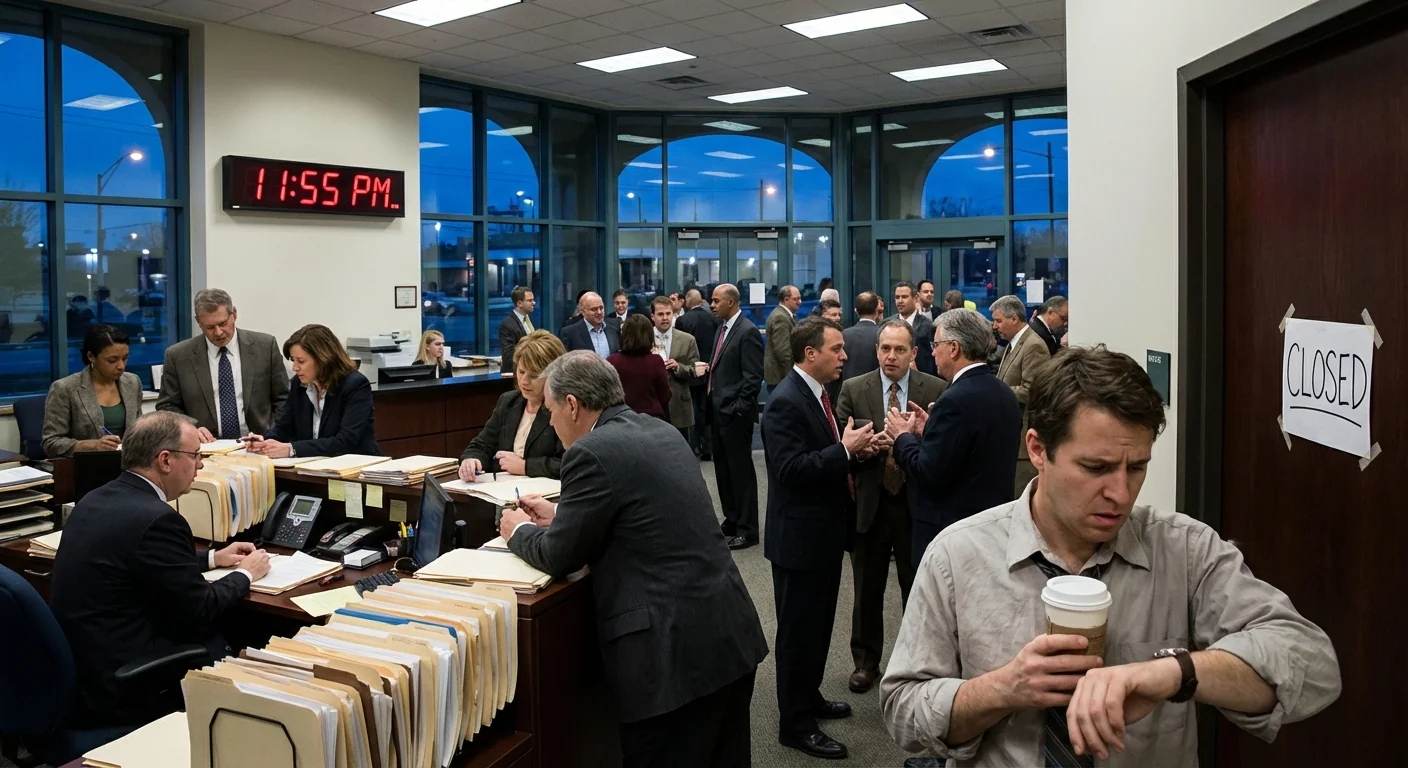
If funding lapses at midnight, the Antideficiency Act requires agencies to stop non excepted work. Essential safety and security continue. Non essential activities pause.
What a lapse would mean for your rights and services
A shutdown would not halt everything. Social Security and Medicare benefits continue, because they are mandatory. Mail delivery continues. Air travel continues, since TSA and air traffic control are excepted, though lines can grow. Military operations continue. Federal courts can operate for a time, then may slow civil cases.
But many services would pause. New small business loans would stall. Some passport and visa work would slow or stop. National parks could close or limit access. Inspections and grants might be delayed. FOIA responses would stack up. Federal workers in non excepted roles would be furloughed.
Under the Government Employee Fair Treatment Act, furloughed and excepted federal employees are guaranteed back pay after funding returns. That is your right by law. Federal contractors do not have the same guarantee.
- Federal employees, back pay is guaranteed after the shutdown ends
- Contractors, back pay is not guaranteed by statute
- Benefits like Social Security and Medicare continue
- Many routine services and permits could face delays
Contractor employees are often told not to work during a lapse. Their missed pay is usually not reimbursed. Plan accordingly.
Why this deal matters for workers and core services
The package buys stability. Agencies can keep hiring and training. The air traffic controller raise helps retain talent and reduce overtime strain. Defense commands can plan missions and maintenance with certainty. Education programs avoid a sudden shock that would hit schools and students mid year.
For families, that means fewer service disruptions. For businesses, that means predictable permits, loans, and contracts. For communities, disaster response funds remain on call. For travelers, airports keep moving, with safer staffing. For teachers and students, support stays in place.
This is also about the rule of law. Annual appropriations are Congress’s constitutional duty. A clean finish protects creditability, contract obligations, and worker rights. It avoids the chaos that a lapse creates under the Antideficiency Act.
If you face a delay during any lapse, document missed appointments and costs. Keep receipts. You may need them for rebooking or claims later.
The bottom line
Leaders have chosen to govern, not gamble. The 1.2 trillion dollar deal funds national defense, secures domestic services, and protects key worker pay. It rejects deep cuts to education. It backs the people who keep planes safe. The plan now is speed. If both chambers deliver, the lights stay on. If they slip, the law forces a partial halt. The next 48 hours will decide which future we get.