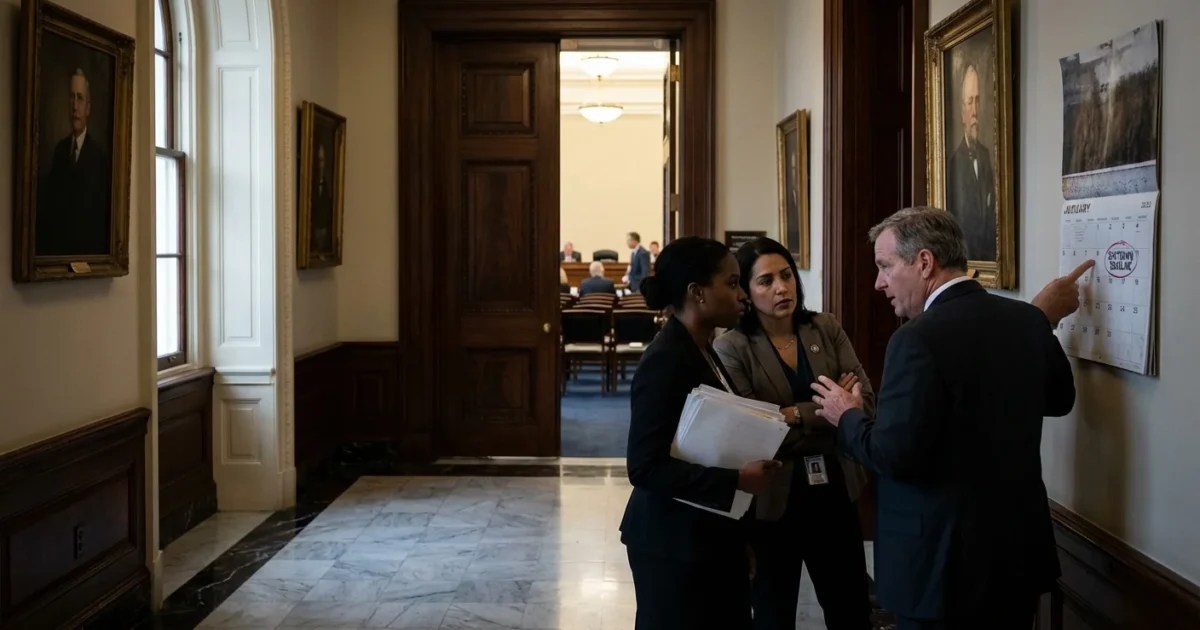
Congress races to avoid a shutdown. Talks moved fast today. I am told the path to a deal is finally visible, but fragile. The fight is over money and policy at the Department of Homeland Security. The deadline is close. The stakes are real for workers, families, and the law.
What shifted today
Negotiators signaled new flexibility this afternoon. Allies of Donald Trump told me he is open to a short funding patch, if the border policy language is narrowed. Senate Majority Leader Chuck Schumer, I am told, is ready to move a clean bill that keeps DHS open, with only limited policy notes attached. Staff began drafting options as the clock kept ticking.
Democrats also set three clear conditions in plain view. These demands are now the center of the talks. They narrowed the fight, and gave both sides a way out.
The legal reality is simple, no spending without a law. The Antideficiency Act blocks most federal work once funds lapse.
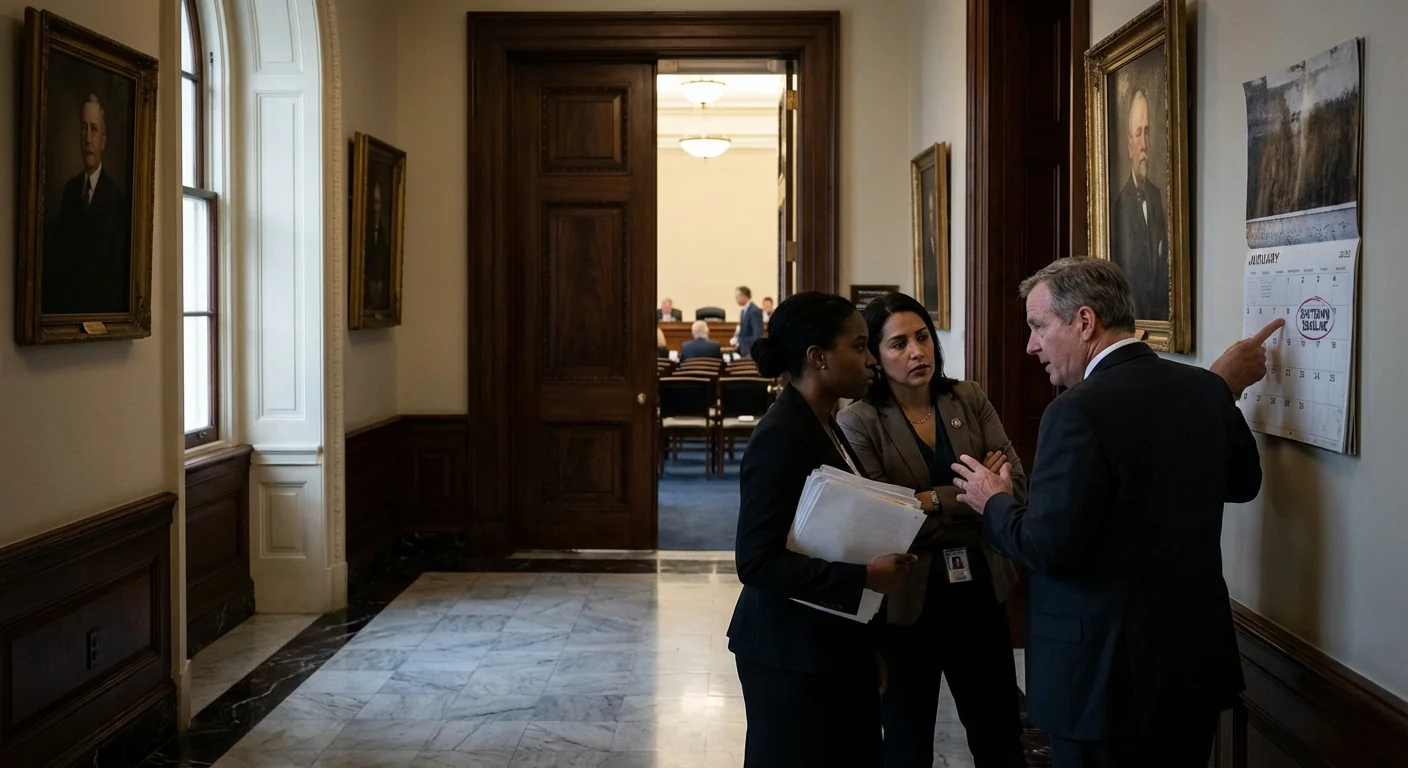
The DHS sticking points
This dispute is about how DHS spends and what rules govern the border. Republicans want tighter limits on parole and faster outcomes in asylum cases. They also want a higher number of detention beds and sharper controls on migrant release. Democrats argue those moves would upend due process and strain already thin resources.
There is also a fight over how overtime and hiring are handled at TSA and Border Patrol. Some want to redirect funds inside DHS, others want a straight extension at current levels. The policy riders are the roadblocks. The money itself is not the only problem.
Democrats’ three conditions
Democrats drew a line with three conditions. These have guided every draft I have seen today.
- A clean DHS stopgap that keeps current policy in place, no new restrictions folded into a short bill.
- Protection of worker pay and core operations, including back pay guarantees and no cuts to TSA and FEMA capacity.
- A prompt vote schedule for full-year funding, with open amendment debate and no surprise riders.
Republicans have not accepted all three. They are testing narrower policy language and time limits. The shape of that language will decide tonight’s outcome.
The law, the shutdown, and your rights
If talks fail, a partial shutdown begins. Under the Antideficiency Act, agencies without funding must stop nonessential work. National security, life, and property get priority. That means TSA, Customs and Border Protection, Secret Service, and Coast Guard rescue continue. Many staff would work without pay until funding returns.
Courts can run on carryover funds for a short time. Social Security and Medicare benefits continue, because they use separate funding streams. Passport offices may slow. Federal student aid processing could lag. FOIA requests will wait in many offices. Federal contractors face the most uncertainty, because back pay for them is not guaranteed by law.
If the deadline passes, do not enter closed federal facilities. Violations can carry penalties, and services will not be available.
Worker protections
Federal employees cannot be forced to volunteer. Excepted employees must report if directed, and will receive back pay when the shutdown ends. That is required under the Government Employee Fair Treatment Act.
If you rely on a federal service, check the agency’s shutdown plan online. Keep receipts and records. You may need them if deadlines slip.

Most likely off-ramps
Two paths look most realistic tonight. First, a short continuing resolution, likely days not weeks, that funds DHS at current levels. That would give negotiators time to write a broader deal. Second, a narrow side agreement on DHS policy, with sunsets and reporting rules, paired with fresh funding through the next quarter. Both paths require the Senate to move first, then the House.
If those fail, leaders could split the bills. They would pass the rest of government now, then isolate DHS for a separate vote. That path is harder, but it has saved deadlines before.
What it means for you
Your rights do not change in a shutdown. Free speech, due process, and the right to petition government remain. The difference is speed. Processing will slow, offices will close, and delays will grow. If you are a federal worker, you will get back pay when the government reopens. If you are a contractor, call your employer now and review your contract terms.
The government is close to the line, but a deal is within reach. The signal shifted today, from stalemate to cautious movement. The next few hours will decide whether DHS stays open, or whether millions feel the shock of a preventable shutdown. I will keep reporting until the ink is dry.