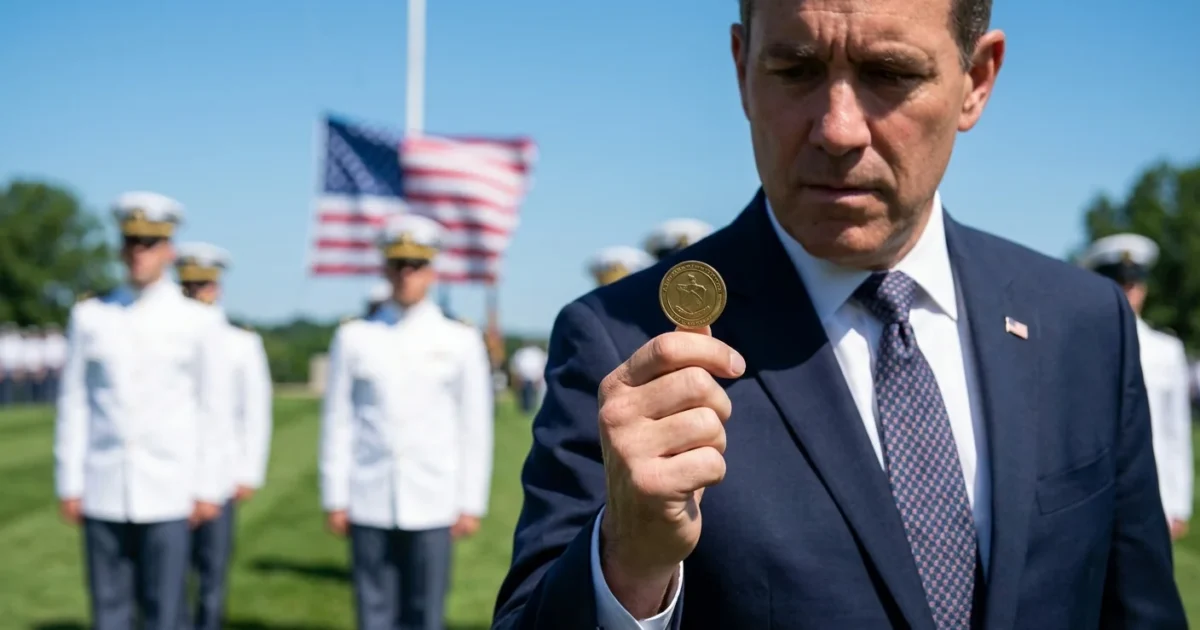
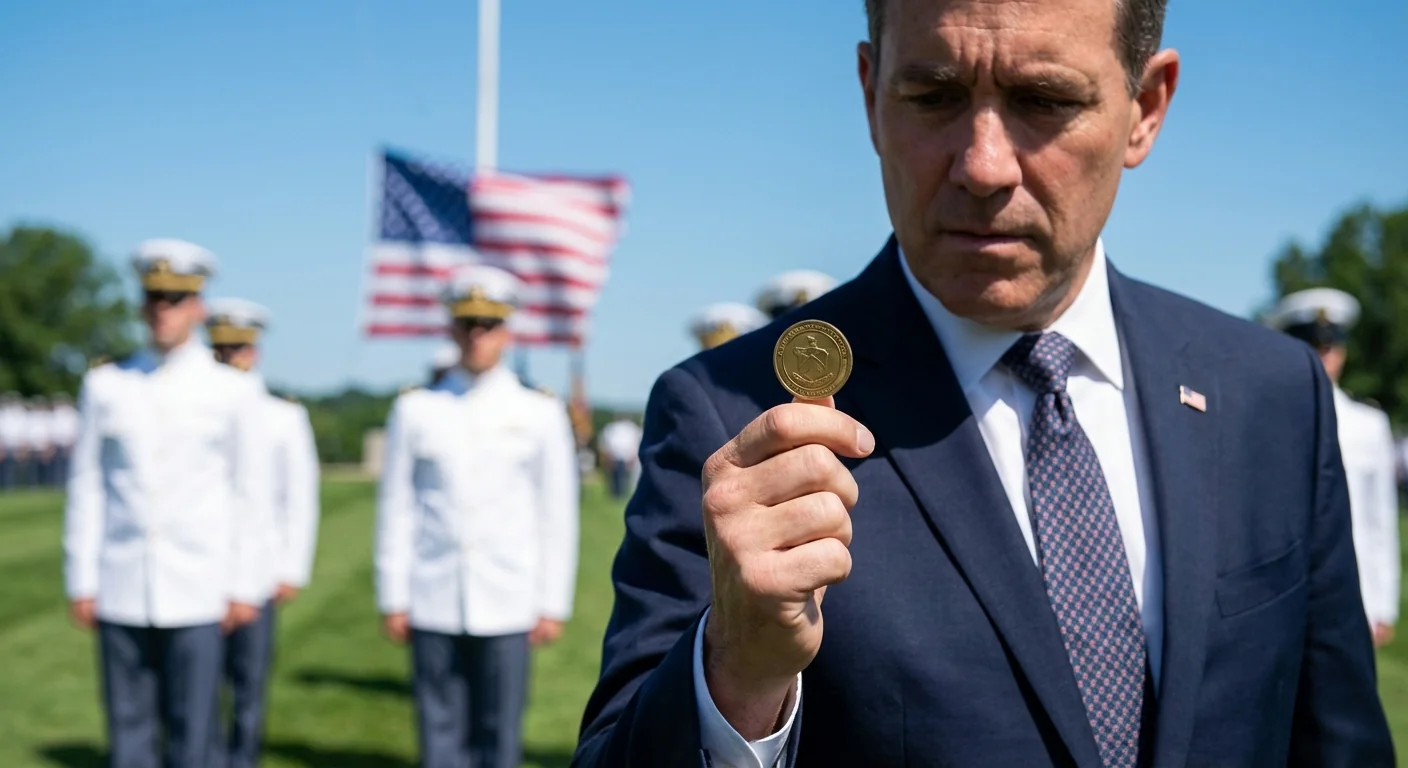
The coin rose into the lights, and the stadium roared. I can confirm President Trump walked to midfield at the Army-Navy game this afternoon and performed the ceremonial coin toss. Cheers and boos hit at once, sharp and unmistakable. A simple flip became a civics moment in real time, and it now carries legal and policy weight.
The moment on the field
The Army-Navy rivalry is steeped in tradition, and presidents often attend. Today, the Commander in Chief took center stage for the toss. The crowd reaction was loud, layered, and revealing. That sound, not just the spectacle, tells us how divided public sentiment can be, even inside a patriotic ritual.
Ceremony matters in our civic life. When the head of state stands with service academies, the message is unity and respect for those who serve. The reaction, however, is a reminder that the presidency is not just an office. It is also a focal point for public approval and dissent, both protected and powerful.
Why a coin toss carries legal weight
A presidential appearance at a military event is legal and expected. It is also tightly guided by ethics and defense rules. The President is exempt from the Hatch Act, which restricts political activity by federal employees. White House staff and military personnel are not exempt, and that matters on a day like this.
Inside the stadium, service members must remain apolitical while in uniform at official events. The Department of Defense requires neutrality, especially when senior leaders are present. Political speeches are off limits. Ceremonial roles, like a coin toss, are permitted. Campaign slogans are not.
- The President may attend and perform a ceremonial role
- Troops must avoid political displays while in uniform
- Civilians may cheer or boo, within stadium rules of conduct
- Staff must keep political activity separate from official duties
The Hatch Act does not apply to the President and Vice President. It does apply to most federal employees, including many aides who travel with the President.
Civil liberties in the stands and on the sidelines
Cheering, booing, and silent protest are forms of speech. In general, fans can express views, subject to reasonable time, place, and manner rules. Stadiums can set codes of conduct that limit profanity, signs on sticks, or disruptive behavior. They cannot punish a viewpoint simply because they dislike it. If law enforcement gets involved, the standard is safety and order, not politics.
Press rights are also in play. Reporters may film what they can see from public or credentialed areas. Security can direct where cameras stand for safety. They cannot block coverage based on content.
Headed to a future high profile game The safest course is simple, follow posted rules, keep aisles clear, and know that peaceful expression, even if unpopular, is protected.
War news adds a harder backdrop
The coin toss landed on a grave day for military families. Earlier, officials reported a deadly ambush in Syria that killed two U.S. soldiers and an interpreter. That news reframed the on field moment. The Commander in Chief stood with cadets and mids as questions rose about missions abroad, risk at the edge of conflict, and how we honor service and sacrifice.
Legally, the War Powers Resolution requires timely reporting to Congress when U.S. forces face hostilities. The administration must brief lawmakers, explain objectives, and define the legal basis for the mission. The public has a right to transparent updates after next of kin are notified. Today, symbolism met accountability. People want clarity, not just ceremony.
Expect formal notifications to Congress and public briefings on the Syria incident. Oversight does not pause for pageantry.
[IMAGE_2]
What to watch next
- Any White House statement separating the ceremony from campaign activity
- Pentagon briefings on the Syria attack and force protection steps
- Stadium or city incident reports, if any, tied to crowd control or arrests
- Clarification on future presidential appearances at military linked events