BREAKING: The Criminal Attorney Is Suddenly the Story
A criminal defense lawyer was carried from a Colorado courthouse with a fractured spine and pelvis after a violent attack. In Boston, defense counsel in the Brian Walshe murder trial pressed the limits of digital evidence. And a fresh federal appeals ruling just narrowed when attorney client privilege can be treated as waived. Together, these moments put criminal attorneys at the heart of today’s law and policy fight. The stakes are public safety, fair trials, and the privacy we all count on when we ask a lawyer for help.

Violence at the Courthouse, Justice on the Line
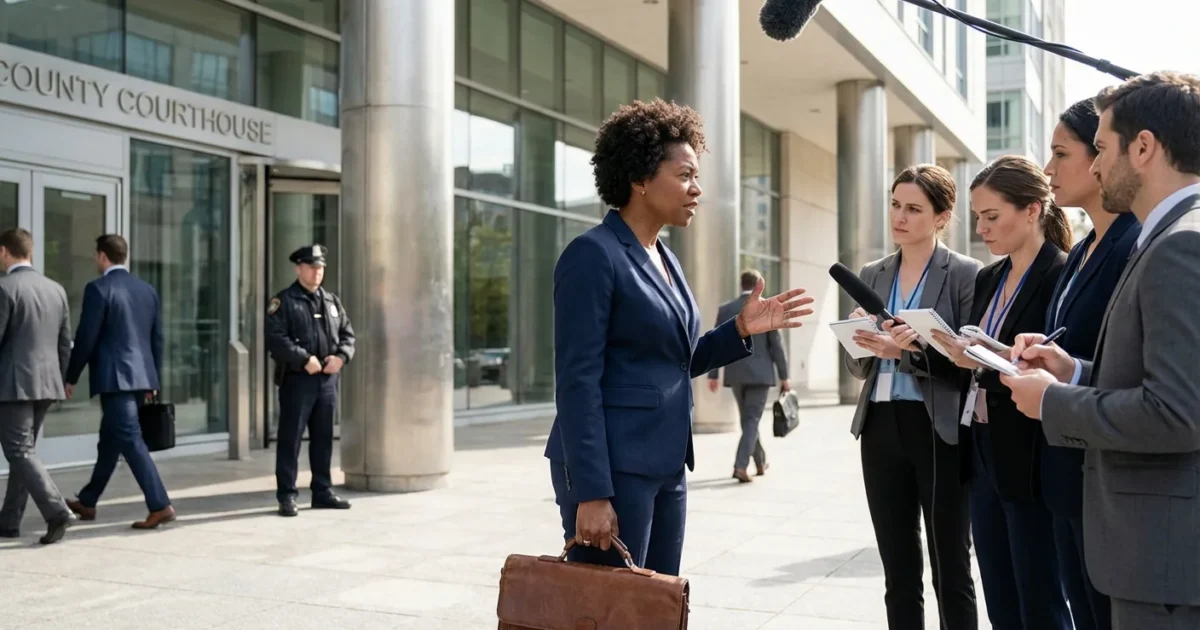
Outside a Littleton courtroom, a grieving relative is accused of tackling a defense lawyer to the floor. The lawyer suffered serious injuries. The attack was fast, public, and chilling. It raises a hard question. Can our system protect the people who make it work.
Defense lawyers have a duty to represent the accused. That duty is not a choice about facts. It is a constitutional promise to the rest of us. When a lawyer is attacked for doing that job, the rule of law takes a hit.
Courthouse safety is a government obligation. Expect local officials to review security posts, screening zones, and staffing. Expect judges to tighten decorum orders. Expect district attorneys and public defenders to speak together on safety. They disagree in court. They must agree on this.
Threats and violence against lawyers are threats against your rights. If defense counsel is silenced, the state’s power goes unchecked.
Strategy in the Spotlight: The Walshe Trial
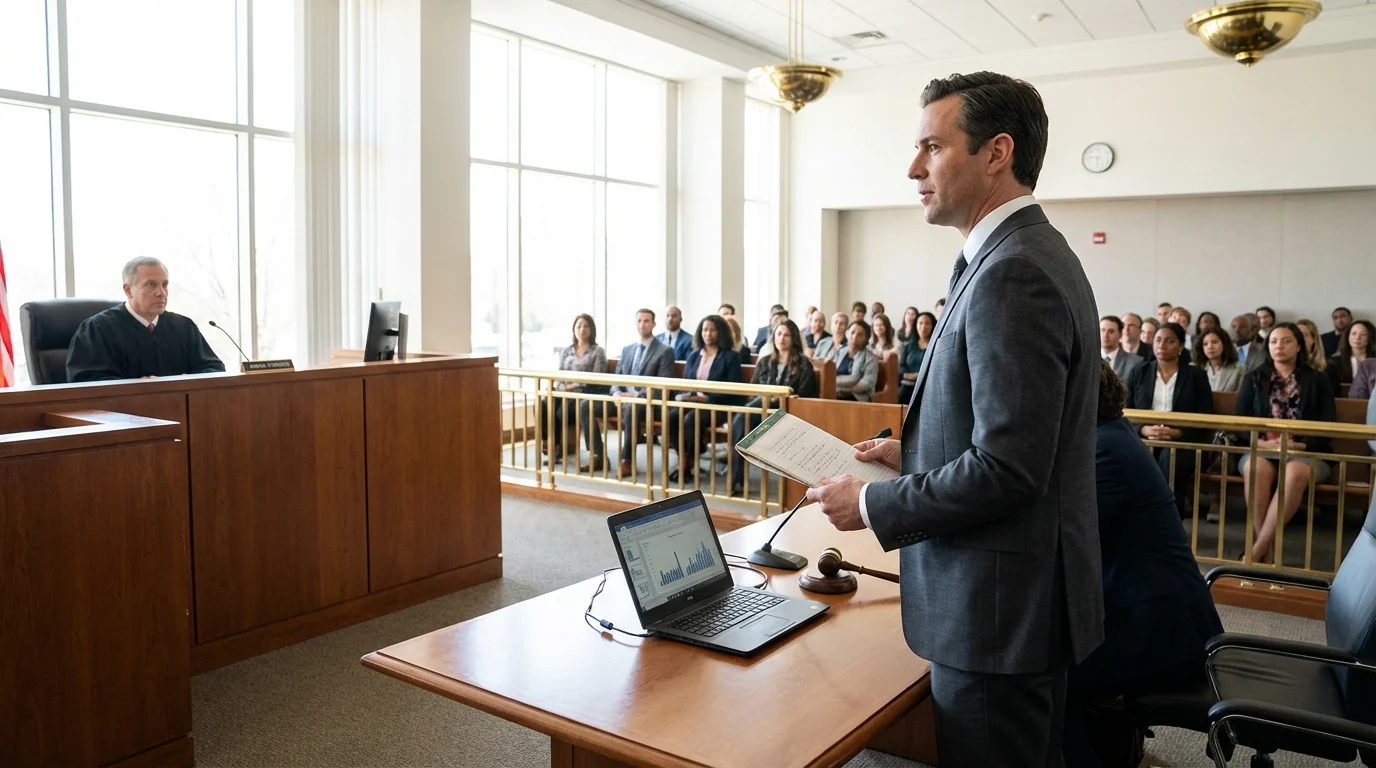
In the Walshe case, the defense challenged the strength of online search evidence. The argument was simple. Digital logs can mislead, and motive is not proof. Jurors must decide guilt, not click paths. The court heard questions on context, reliability, and likelihood.
This is bigger than one trial. Police and prosecutors now rely on device data, search history, and algorithms in more cases. Defense attorneys push back on how that data is collected and explained. Courts must balance speed and science. The law must keep up, because juries expect clarity, not code words.
Privilege Redrawn by the First Circuit
Today’s other headline came from the First Circuit. The court tightened when attorney client privilege is considered waived in criminal cases that raise a state of mind defense. The opinion signals that privilege holds, even when intent is the issue, unless the defense directly uses legal advice as a sword. That shift matters in healthcare fraud, kickback cases, and beyond.
Why it matters for citizens. You talk to your lawyer so you can act within the law. You need to know that talk will stay private. This ruling gives clearer guardrails. Prosecutors still get facts. They do not automatically get your private legal advice unless you put that advice in play.
For defense teams, expect new motions on the scope of privilege and work product. Expect tighter lines in subpoenas aimed at counsel. For judges, expect more careful jury instructions when intent and advice collide.
If you might face charges, speak to a lawyer early. Be clear that you want confidential legal advice. Privilege protects that conversation.
What Changes Now for Courts and the Public
The path forward is not abstract. It is policy, training, and resources. If officials move fast, they can reduce risk and reinforce trust.
- Post more sworn officers at high conflict court calendars
- Standardize digital evidence protocols and plain language jury guides
- Fund public defender tech teams to match forensic tools
- Issue court wide notices on decorum and immediate sanctions for threats
Your Rights, Your Role
You have the right to a lawyer. You have the right to speak to that lawyer in private. You have the right to a court that is safe and open. If you are a witness or a family member, you also have duties. Follow court orders. Do not confront lawyers or parties. Report threats to court security at once.
The Bottom Line
Today’s events remind us why criminal attorneys matter. Safety at the courthouse guards the process. Careful rules on digital evidence keep trials fair. Strong privilege protects honest legal advice. When those pillars stand, justice belongs to everyone, not just to the strongest voice in the room.