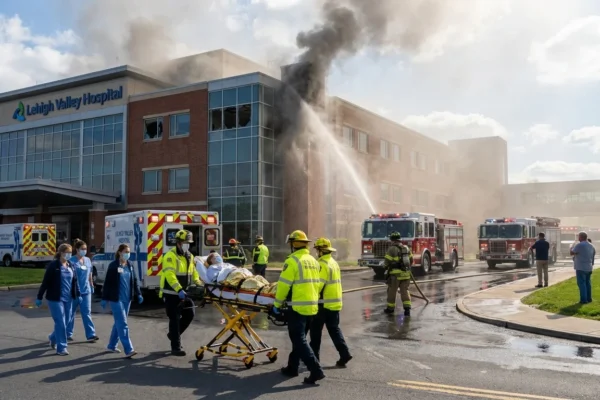
Breaking: Two grave incidents have put Colorado Springs fire safety in sharp focus this month. A firefighter was hit by a vehicle while working a highway crash, and a fatal apartment fire left one dead and dozens without homes. The events raise urgent legal and civic questions. They also demand action from drivers, landlords, and residents right now.
Two emergencies, one clear message
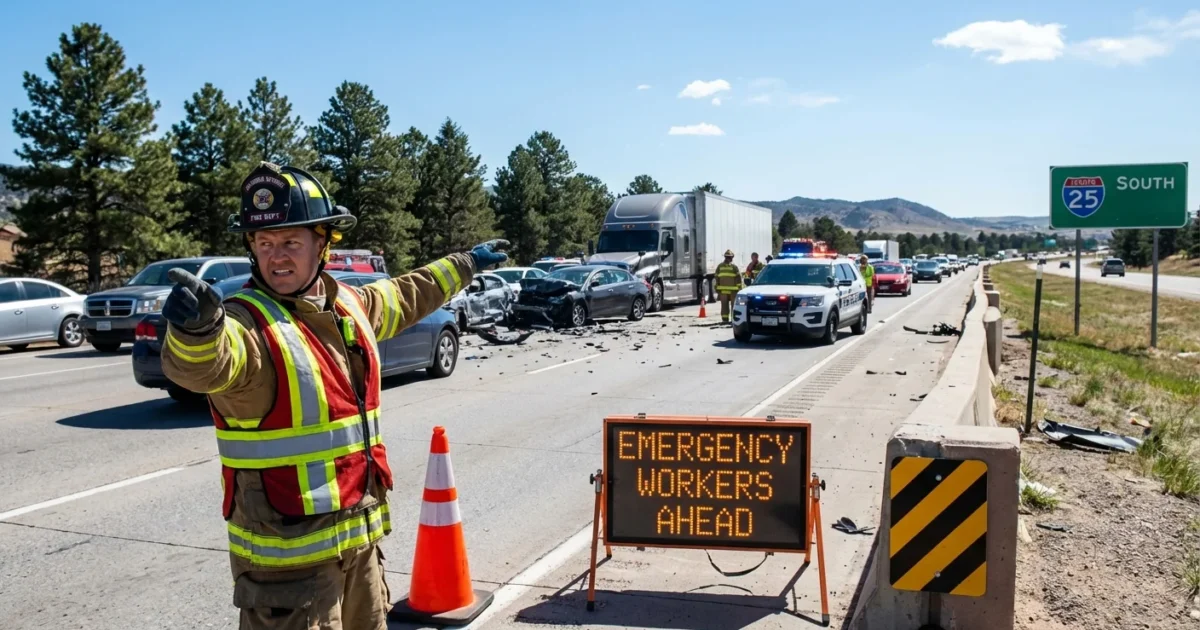
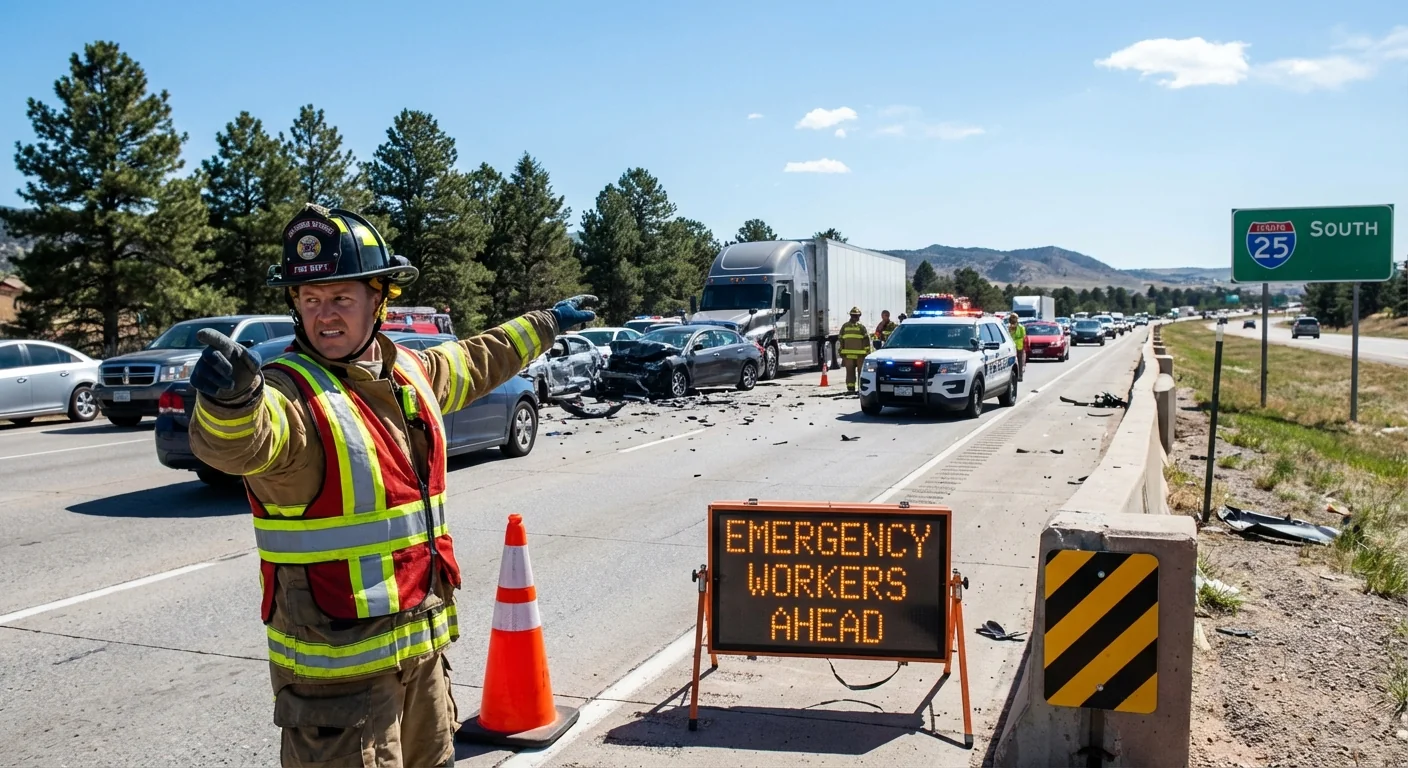
On December 4, a Colorado Springs firefighter was struck on southbound I-25 while working a multi-vehicle crash near Circle Drive. I confirmed the firefighter has been discharged from the hospital and is recovering at home. Police say charges are pending against the driver. The investigation will decide which offenses apply, including failure to move over and slow down for emergency workers.
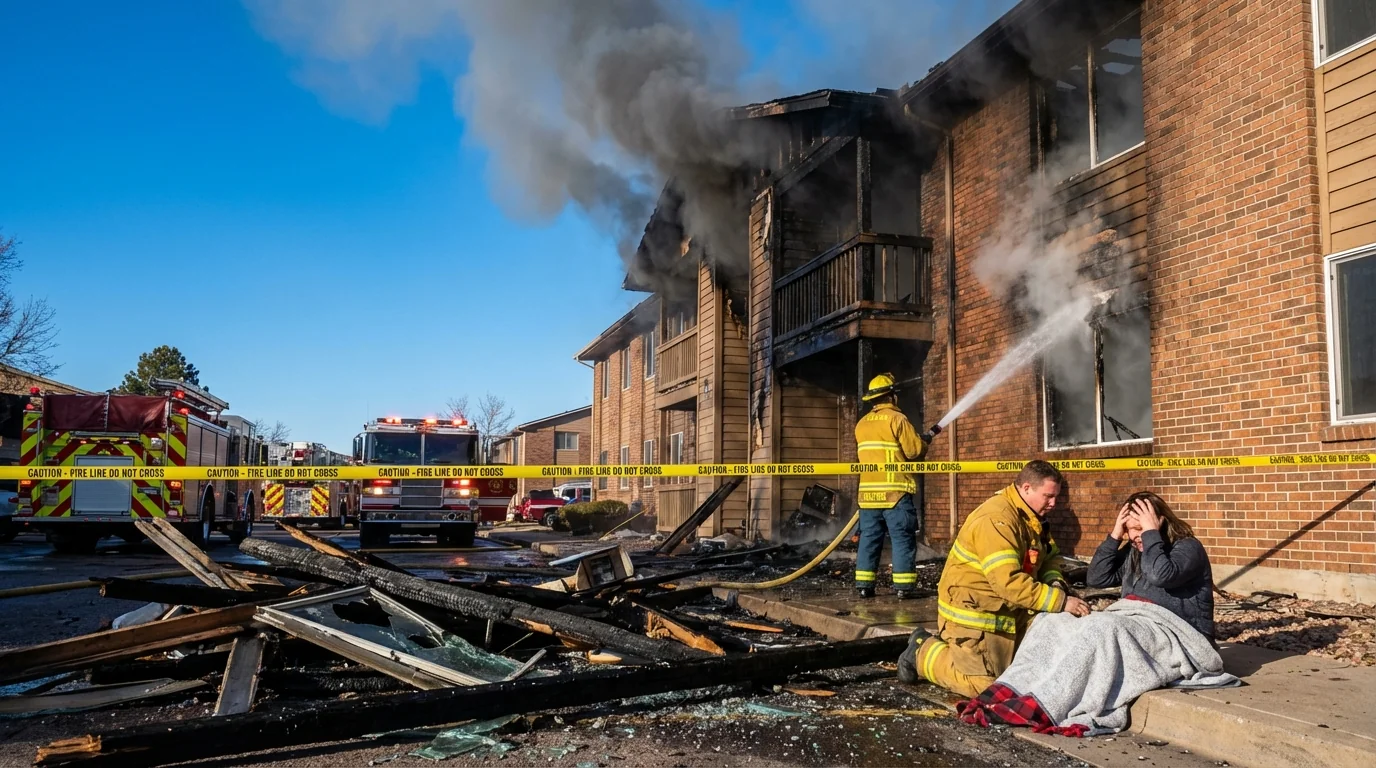
On November 16, an apartment fire linked to improperly discarded cigarettes forced about 50 residents from their homes. Four people were rescued. One of those rescued later died. The fire ripped through a multi-unit building, which magnified the harm. This is the type of loss that codes are written to prevent, and that behavior change can avoid.
The law on the line at roadside scenes
Colorado’s Move Over law is simple. When you see emergency lights, you must move over a lane if you can. If you cannot, you must slow to a safe speed. Failing to do so can bring fines and points. If someone is injured, charges can rise and penalties increase. That can include misdemeanor counts and potential jail, based on the facts.
This is also a worker safety issue. Firefighters, medics, and police rely on buffer lanes, traffic control, and public compliance. Agencies can add blocking engines, more flares, and portable signs. They can also run joint enforcement with State Patrol. But the law’s power rests with drivers who choose to obey it.
If you see lights or flares, move over one lane. If that is not safe, slow well below the posted speed and pass with care.
Citizens have rights at these scenes too. You may record from a safe distance and on public land. You must not interfere with operations. Afterward, you can request basic records under the Colorado Open Records Act. Crash details and incident reports are generally available once release will not harm an active case.
Safe homes, legal duties
State law requires smoke alarms in dwellings. Landlords must install and maintain alarms that meet code. Tenants must not disable alarms, and they should replace batteries when allowed. In multi-unit buildings, shared systems and exits must remain clear and working. These rules exist because smoke and fire spread fast between units.
Careless smoking remains a top cause of fatal home fires. That risk rises in apartments where one bad act endangers many. Metal, deep ashtrays reduce risk. Water is the only safe way to ensure cigarette butts are out. Never smoke in bed. Never smoke near medical oxygen. Building owners can also set smoke-free policies to protect residents and reduce insurance risk.
Most fatal home fires start at night, when people are asleep. Working smoke alarms double your chance to survive.
If your unit has no working alarm, ask your landlord in writing to fix it. You can also request a fire inspection from the city. Tenants have a right to a habitable home. If a fire makes your unit unsafe, you may be released from your lease. You can seek relocation help from relief partners and city channels. Keep receipts and written notices to support insurance and aid claims.
Tenants, you are entitled to working smoke alarms and clear exits. Report hazards quickly, in writing, and keep copies.
What officials and residents can do now
City leaders can act without delay. Focused enforcement of the Move Over law, portable message boards near active scenes, and traffic incident management training all reduce risk. In housing, targeted inspections of older multi-unit buildings, smoke alarm upgrade drives, and safe smoking outreach make a fast impact. CSFD’s wildfire work shows what sustained prevention can do. The same energy can reduce home fire deaths.
Residents can help today:
- Move over and slow down near emergency scenes
- Test smoke alarms monthly, replace batteries as needed
- Use deep, metal ashtrays, soak butts in water before trash
- Plan two exits from your home and practice with family