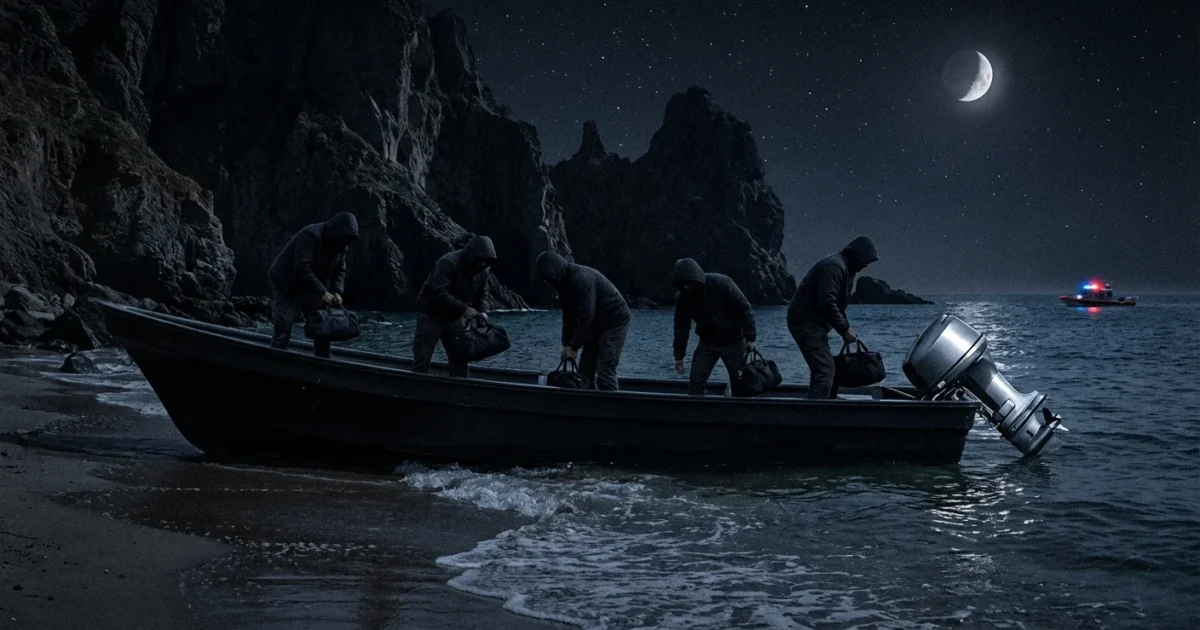
Breaking now: The U.S. Coast Guard has detained nine people off Black’s Beach in San Diego. The stop happened close to shore, in waters often used by small, fast smuggling boats. Federal processing is underway, and coordinated enforcement has tightened along this stretch of coast.
What happened off Black’s Beach
Coast Guard crews spotted a small open boat moving north near the base of the cliffs. The vessel drew attention because of its size, speed, and path. Crews moved in, secured the boat, and brought nine people into custody. They were taken to shore for medical checks and immigration screening.
This stop follows another panga interdiction in the same sector earlier this week. In that case, officers intercepted a boat carrying 15 people. The pattern is clear, boats are testing the coastline in quick runs, often at night, to slip past patrols.
Why this stretch of coast is a target
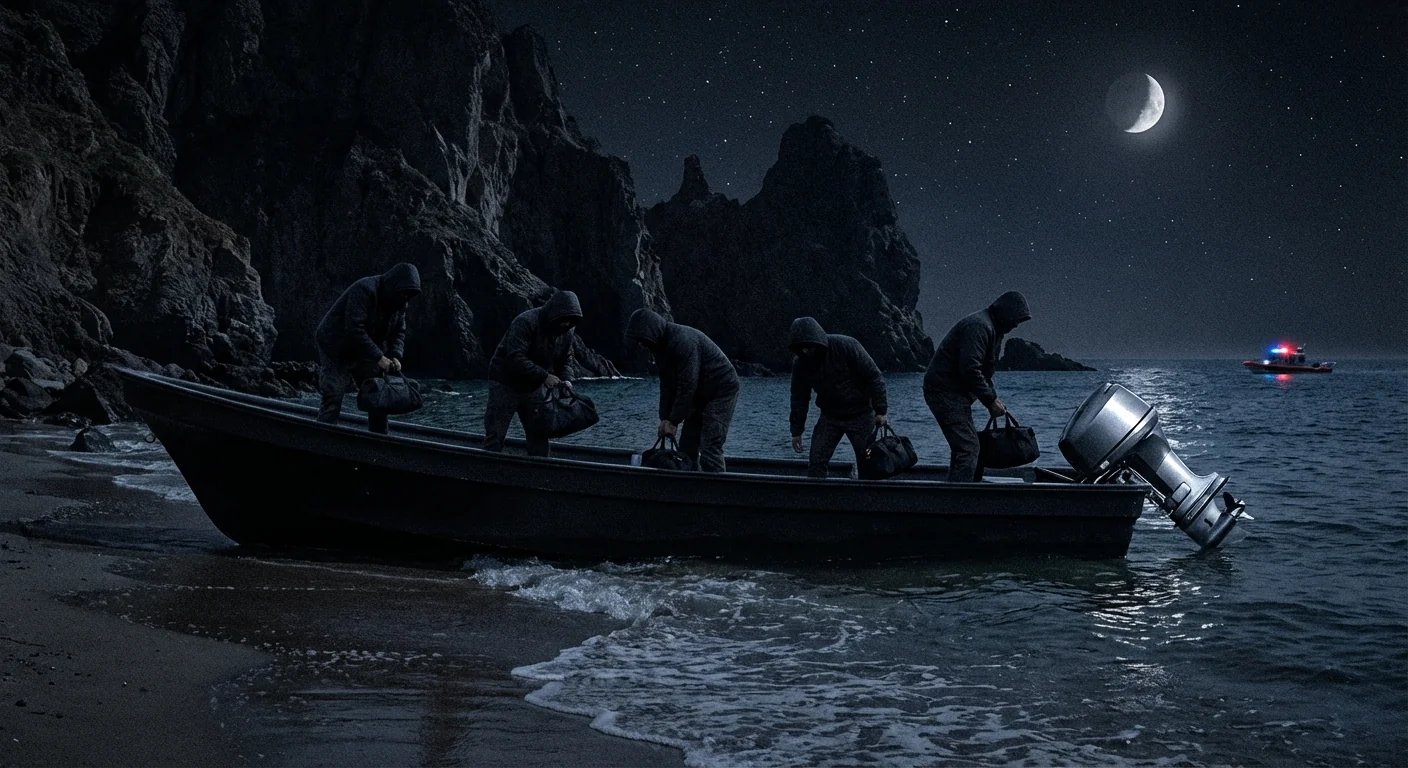
Black’s Beach sits beneath tall cliffs and long dark bluffs. Access is limited, and there are few lights at night. That makes quick landings easier for smugglers. Pangas are simple, fast, and quiet. They ride low and can beach in seconds.
Smugglers use short windows and changing currents. They take risks that put lives in danger. Many trips are overcrowded. Few riders have life jackets. Cold Pacific waters add serious risk.
Panga trips are life threatening. These boats are unstable, and night surf can flip them in seconds.
The legal picture, from sea to shore
The Coast Guard has broad legal authority to board and search vessels in U.S. waters. That includes checking papers, safety gear, and confirming a vessel’s nationality. No warrant is required for these basic checks at sea. If crews find signs of smuggling, they can seize the boat and detain people on board.
Once on land, immigration law takes over. People who enter without inspection can face removal under Title 8. If they ask for asylum or express fear of return, officers must refer them for screening. That screening looks at whether there is a credible fear of persecution. If they pass, they can pursue a claim in immigration court. They have the right to hire a lawyer at their own expense.
Smugglers face federal felony charges for bringing or attempting to bring people into the country unlawfully. Penalties rise if there is risk of injury, use of a dangerous vessel, or profit. Boats used in smuggling can be forfeited to the government.
The Coast Guard is a military service, but it also has law enforcement powers. It can make arrests and enforce customs and immigration laws at sea. Those powers are different from the Army, which is limited by domestic law. This is why the Coast Guard often leads maritime interdictions.
What this means for San Diego and for rights
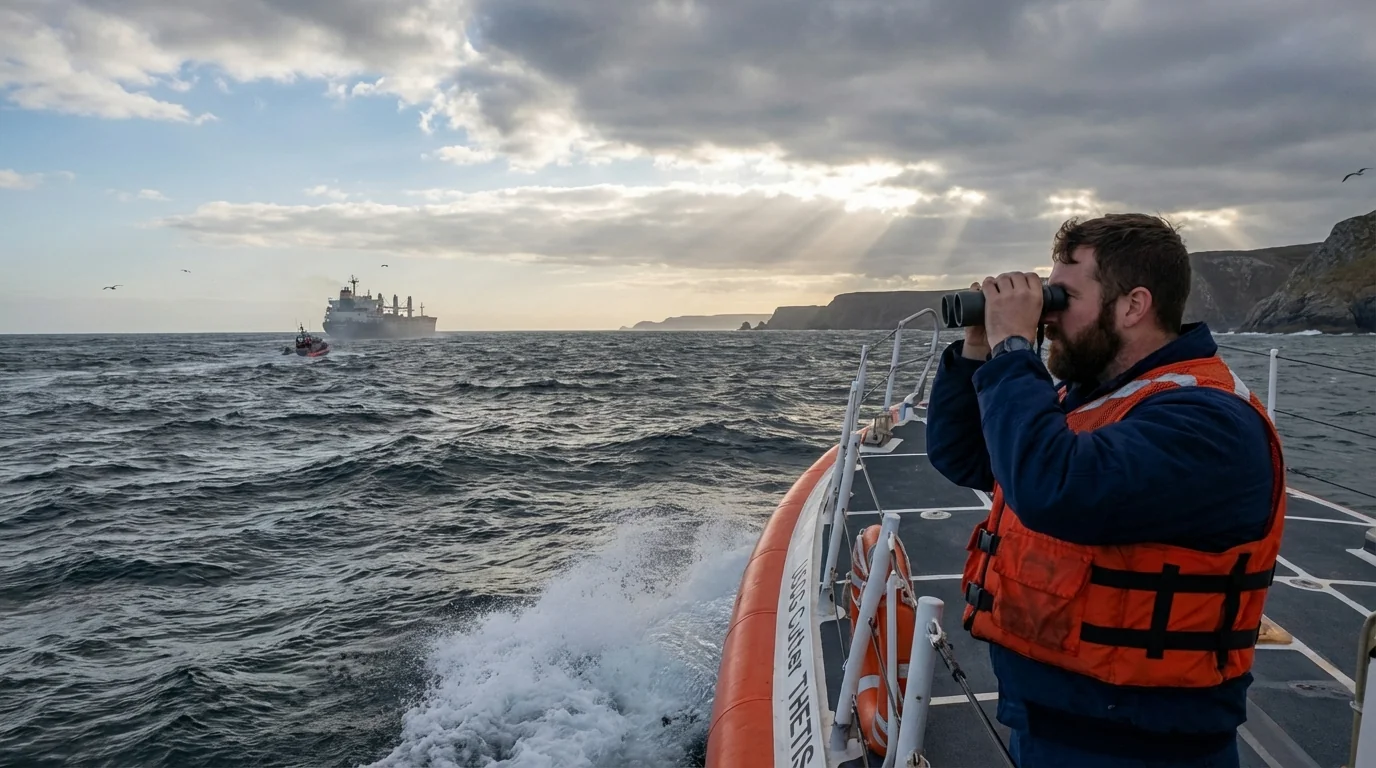
For coastal neighborhoods, expect more patrols, more spotlights on the water, and more joint operations. The Coast Guard works with Customs and Border Protection, local police, and lifeguards. Drones, radar, and lookout towers are part of the picture. Residents may see nighttime sweeps and road stops near beach access points.
People encountered in a landing zone may be questioned briefly for safety and identification. Officers still must follow the Constitution. In the field, that means reasonable suspicion for stops and probable cause for arrests. Inside a home, a warrant or consent is generally required.
For migrants, core protections apply. People can seek medical care, ask for asylum, and request interpretation. Parents and children have special safeguards. Consular notice is available for foreign nationals who are arrested.
For boat owners and beachgoers, aiding a landing can create legal risk. Providing transport, hiding people, or taking payment can trigger smuggling charges. Even a single ride in a car can be a crime if done to help avoid detection.
If you see a fast open boat landing at night, move to a safe distance, call 911 or the Coast Guard on VHF 16, and do not engage. Your safety comes first. 🚨
The policy path ahead
San Diego is a focus area for maritime smuggling. Federal agencies are adjusting, with more night patrols, better sensors, and faster handoffs to shore teams. Prosecutors continue to target organizers, not only boat drivers. Expect more boat seizures and stiffer bond requests in smuggling cases.
Congressional oversight will push for data on rescues, injuries, and prosecutions. Funding for joint maritime task forces is likely to grow. Local leaders will press for safety investments, including lighting at risky coves and better cliff access for rescue teams.
Today’s detention at Black’s Beach adds urgency. The law is clear, the risks are high, and the response is getting faster. Coastline residents should stay alert. People considering a sea crossing should know the danger, and the law, before they step aboard.