Breaking now: U.S. forces struck suspected drug trafficking boats in the Eastern Pacific. The Coast Guard launched a search for survivors after the hits. Officials have now suspended that search. Questions about legal authority, evidence, and duty of care are moving to the front. So are the words used to justify force at sea.
What happened, and what is confirmed
The operation targeted small vessels in a known smuggling corridor. These waters see frequent cocaine runs from South and Central America. U.S. maritime forces work here often, sometimes with partner nations.
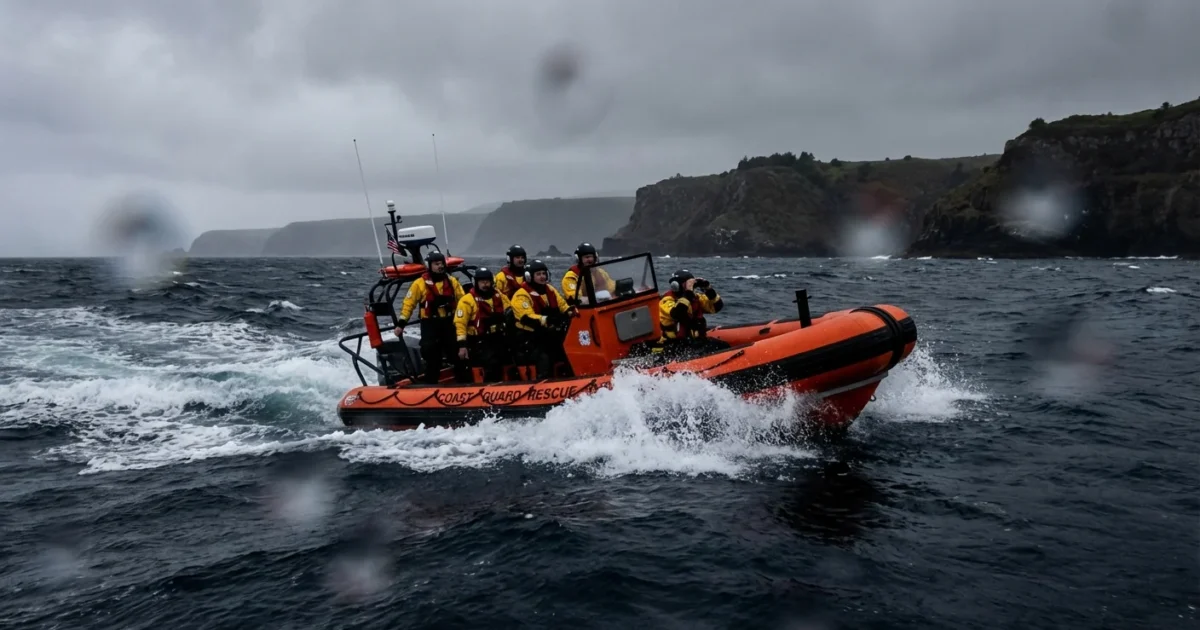
After the strikes, the Coast Guard searched for people who went into the water. Crews looked but did not find survivors. The search is now suspended. Details on casualties, identities, and flags of the vessels remain unconfirmed. So do the exact agencies that fired weapons.
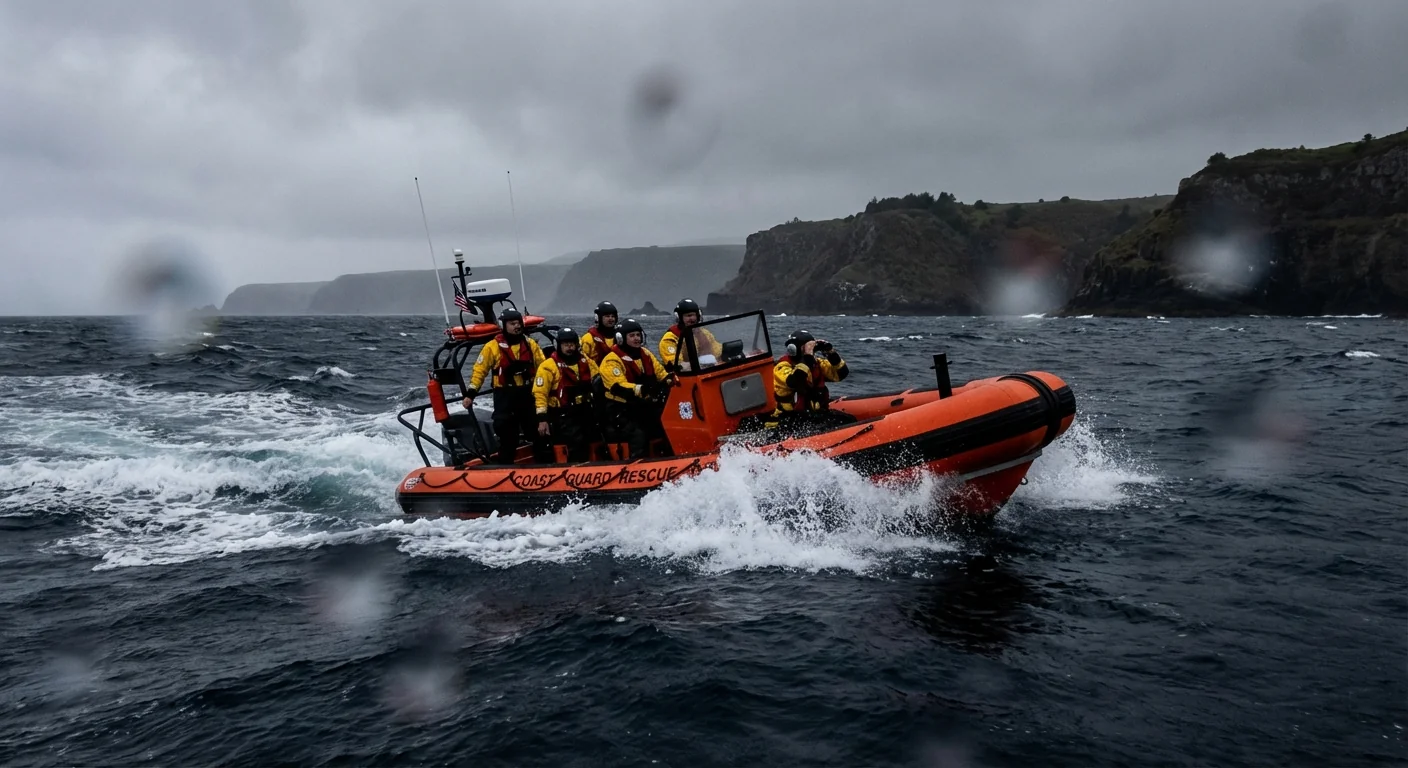
What is confirmed today, the strikes occurred, the Coast Guard searched, and the search is now suspended. The rest awaits official release.
What we know, and what we do not
- Location, Eastern Pacific. Exact coordinates not public.
- Targets, suspected drug boats. Weapons and contraband not yet confirmed.
- Casualties, unknown. Numbers and identities not released.
- Lead actors, maritime forces. Full chain of command not named.
These gaps matter. They shape which laws apply, and which agency had the lead. They also affect what must be reported to Congress.
Why the words matter
One outlet calls the targets narco terrorist vessels. Others call them alleged drug boats. That choice is not just style. It signals legal theory.
Narco terrorist suggests a link to terrorism. It hints at laws for material support and armed conflict. That path can support lethal force and intelligence driven strikes.
Alleged drug boats keeps the frame in criminal law. It points to arrest, seizure, and courtroom process. That path centers chain of custody and trial rights.
⚖️ Words set the lane. The lane sets the rules.
The legal ground under the operation
Maritime law gives the U.S. tools at sea. The Coast Guard has broad law enforcement powers worldwide when statutes allow. The Maritime Drug Law Enforcement Act lets the U.S. board and prosecute drug smuggling on the high seas, even when boats fly no flag, or when a flag state consents.
If the Department of Defense took the shot, different rules apply. The military can support counter drug work. But it cannot enforce domestic law on its own. It can act against hostile threats and assist other agencies. If the use of force rose to hostilities, the War Powers Resolution may require a report to Congress within 48 hours. If this was a discrete enforcement action with Coast Guard lead, that report may not be required.
Use of force at sea follows a ladder. Crews try to hail a vessel. They may use lights, sirens, and maneuvers. Then come warning shots. Then disabling fire at engines. Lethal force is allowed when there is a clear threat to life. We do not yet know which steps happened here.
Evidence drives the courtroom piece. If arrests were made, the government must prove trafficking. Venue for trial often lands in Florida, California, or New York. If no arrests were made, an operational investigation will still review the strikes.
The duty to search and rescue
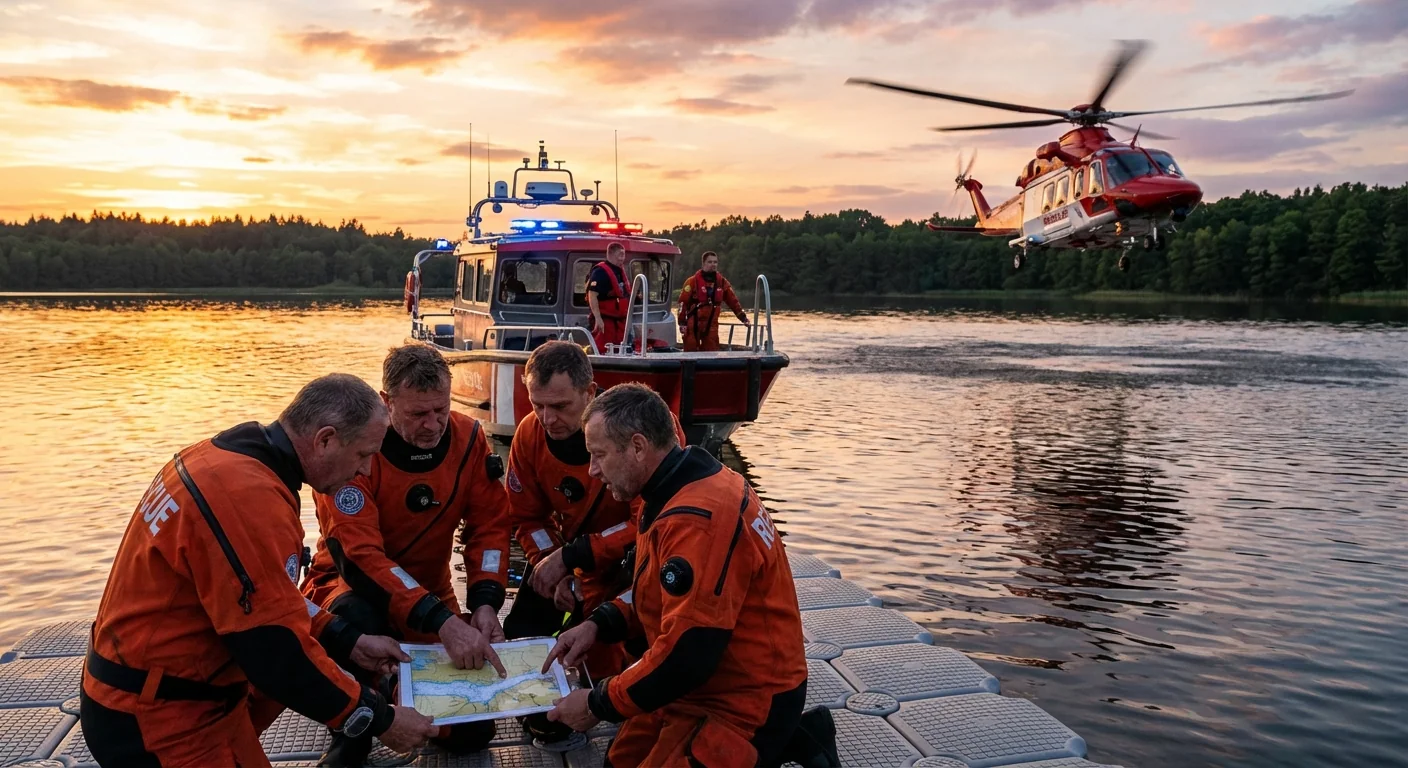
After force at sea, the duty to save life does not stop. International law requires mariners to render assistance when they can do so safely. The U.S. follows the Safety of Life at Sea and the Search and Rescue Convention. The Coast Guard stands at the center of that duty.
Suspending a search is never simple. Crews weigh time in the water, currents, weather, and survivability. They also weigh risk to rescuers. When the numbers turn against survival, the law allows a pause. That decision should be documented and reviewed.
Do not assume casualty counts. Do not assume nationality or criminal ties. Wait for identifiers, chain of custody, and next of kin notices.
What citizens should watch next
- A public timeline from the Coast Guard and any military command.
- Whether the administration sends a War Powers letter to Congress.
- Any charges under the Maritime Drug Law Enforcement Act.
- Release of video, radio calls, or a use of force review.
Rights and policy, beyond the headline
If U.S. agents detain anyone, basic rights start at the point of custody. That includes humane treatment, access to medical care, and access to counsel once in U.S. jurisdiction. For foreign nationals, consular notice follows arrest. If any U.S. person was on board, constitutional protections apply, including suppression of evidence if the stop was unlawful.
Policy choices also loom. Labeling traffickers as terrorists may widen tools, but it also widens risks. It can blur lines between war and law enforcement. It can invite legal challenges on jurisdiction and due process. Clear lanes protect both security and liberty.
Bottom line
The facts are stark, and some are still sealed. Boats were struck in the Eastern Pacific. A rescue search began, and is now suspended. The law is the next stage. How officials label the targets will shape the rules that follow. The public should demand clarity, not only about what happened at sea, but also about the legal path the government is taking to fight drugs without drifting outside the law.