BREAKING: Coast Guard Suspends Search Off Cuba After Cruise Passenger Goes Overboard
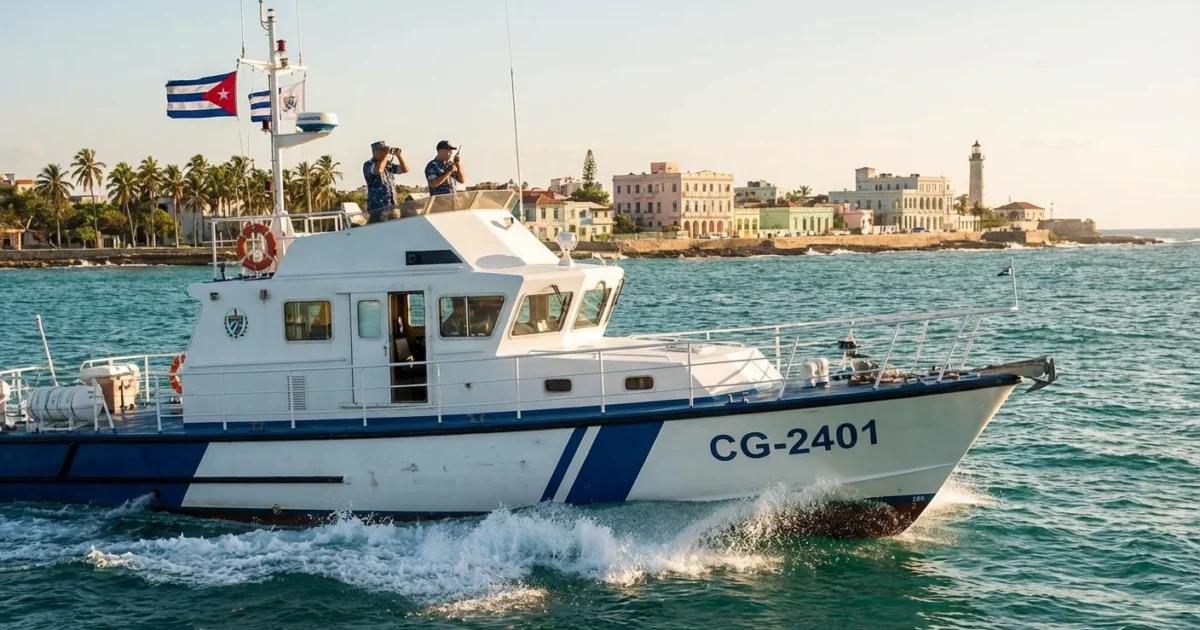
I can confirm the U.S. Coast Guard has suspended its search for a woman who went overboard from a Florida based cruise ship near Cuba. The decision came after an intensive air and sea effort in the Florida Straits. The case now shifts from emergency response to legal review, policy questions, and the rights of passengers and families.
The incident highlights a hard truth at sea. Search and rescue is not endless. It is guided by law, science, and coordination across borders.
Why the Search Stops, And When It Can Restart
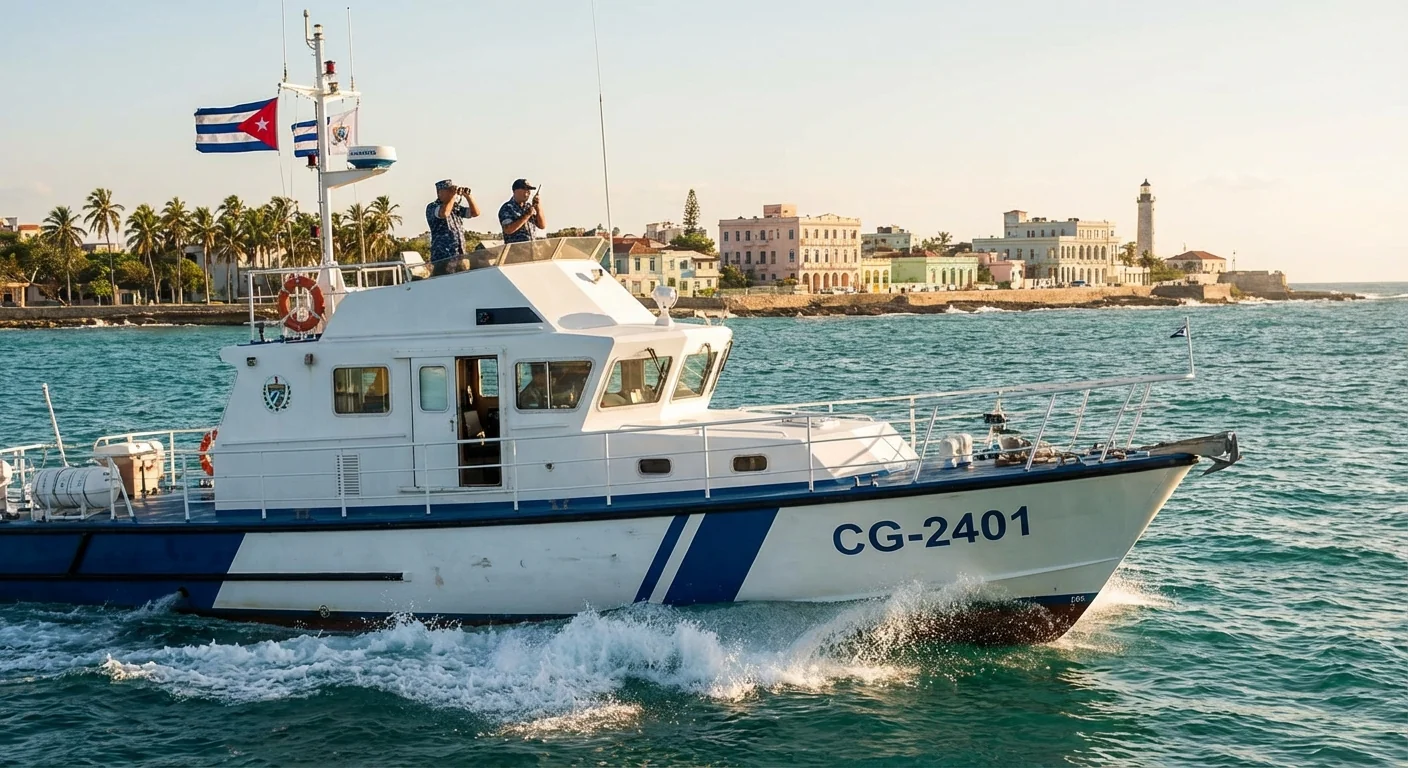
The Coast Guard uses strict rules when deciding to suspend a search. Commanders rely on survival models, drift patterns, weather, and the last known position. They run scenarios to see the chance of finding a person alive. When that chance drops too low, the search pauses.
Suspension does not close the case. If new information comes in, the Coast Guard can restart operations. That could include a confirmed sighting, new video, or a more accurate time and location of the fall. Cruise ships must document their response, including the course change, crew actions, and any lifesaving gear deployed.
Here is what usually happens after an overboard alert:
- The ship turns and searches the track line.
- The bridge alerts nearby vessels to assist.
- The Coast Guard launches aircraft and cutters.
- The nearest rescue coordination center leads the case.
- The search is adjusted as new data arrives.
Cuba, Jurisdiction, And Who Is In Charge
Location matters. The Florida Straits sit near Cuban waters and major currents. The sea state can change fast. If the incident occurs inside Cuba’s search and rescue region, Cuban authorities have the lead. If it is in international waters, the nearest rescue center typically coordinates. In practice, U.S. and Cuban maritime units do communicate on safety cases. Politics take a back seat when lives are at stake, but permission rules still apply within territorial seas.
The ship’s flag state also matters. Many cruise ships are foreign flagged. The flag state oversees the marine casualty investigation for events on the high seas. Because this voyage began in Florida, U.S. law covers certain safety standards and reporting duties, even if the ship is foreign. U.S. officials can open a parallel inquiry focused on compliance with federal law and crew conduct.
If the death occurred more than 3 nautical miles from U.S. shores, the Death on the High Seas Act likely applies. Families can seek pecuniary damages, like lost income and funeral costs. Non economic damages are generally not available in maritime cases.
Cruise Safety Duties And Passenger Rights
Federal law sets minimum cruise safety standards for ships that visit U.S. ports. Rail heights must meet a set level. Peepholes and security measures are required in cabins. Ships must report certain incidents to U.S. agencies. Overboard events trigger immediate response duties. Crews must search, log actions, and notify authorities.
There is also a mandate tied to technology. Congress directed the use of man overboard detection or image capture systems to the extent the technology is available. Some ships use camera analytics or thermal sensors. Others rely on cameras and watchstanders. Results vary by vessel and route.
There is no guarantee that every cruise ship has automated overboard detection that works in all conditions. Ask the line what systems are on your ship before you sail.
Passengers should know what they can ask for after an incident. Families can request that the cruise line preserve CCTV, bridge recordings, and logs. They can also ask the Coast Guard about the case status. U.S. citizens can file public records requests with U.S. agencies for case materials. Preservation letters should be sent quickly, since data can be overwritten by normal system cycles.

When you board, note muster stations, rail heights, and camera coverage on open decks. At night, move with a buddy and avoid alcohol excess near rails.
Contract Terms And Where Cases Are Filed
Your ticket is a contract. It likely sets the court location and the time limit to sue. For many big lines, that forum is Miami or Seattle. Some contracts shorten filing deadlines to one year for injury claims. Read the fine print. These clauses are usually enforced.
If the event leads to a wrongful death claim on the high seas, DOHSA’s three year limit applies. If injuries occurred, general maritime law governs duty of care and negligence claims. Evidence from the ship and from the Coast Guard can be crucial.
What Today’s Decision Signals For Policy
This suspension underscores the need for faster detection and tighter reporting. Time is the enemy in man overboard cases. Early alerts expand the search window and raise survival odds. Regulators face a simple policy choice. Push harder for reliable, ship wide overboard detection, or accept more cases where the window closes too soon.
Cooperation near Cuba also deserves attention. Clearer playbooks between U.S. and Cuban rescue centers can save minutes. In this corridor, minutes matter. Formalizing data sharing on currents and search patterns could help in the next case.
The Bottom Line
A life is still missing. The Coast Guard has paused the search, not the pursuit of answers. The law now takes center stage, from investigative duties to the rights of families. Detection technology, cross border coordination, and fair remedies for survivors are all on the table. This is where policy meets the sea, and where every hour, and every rule, counts.